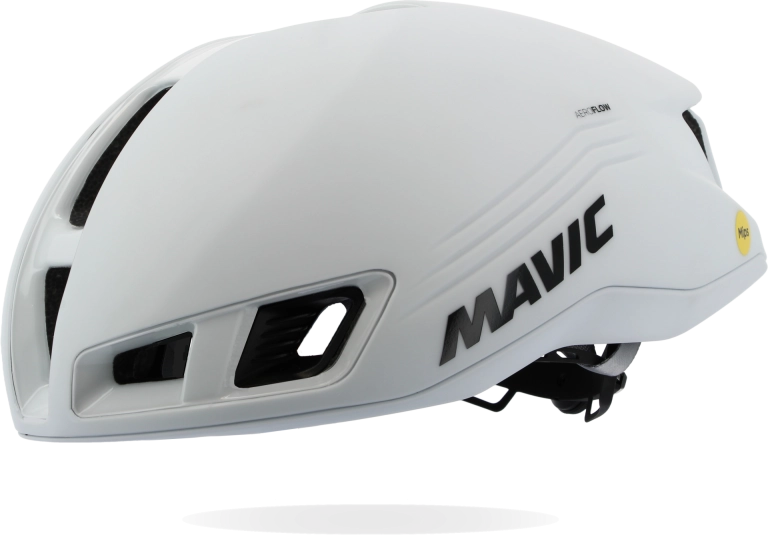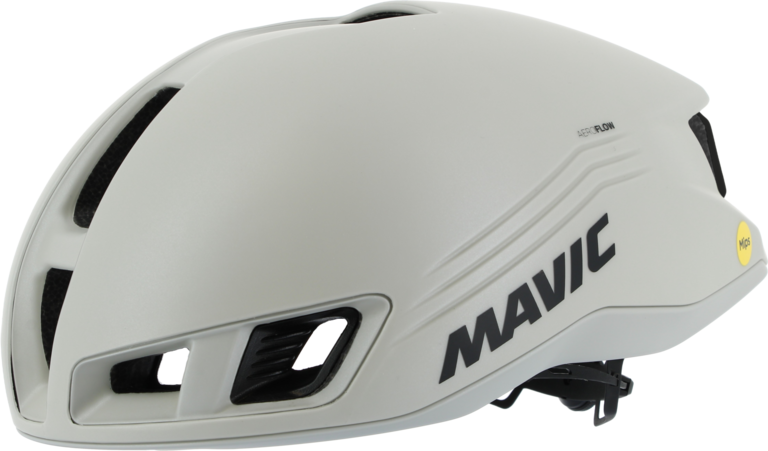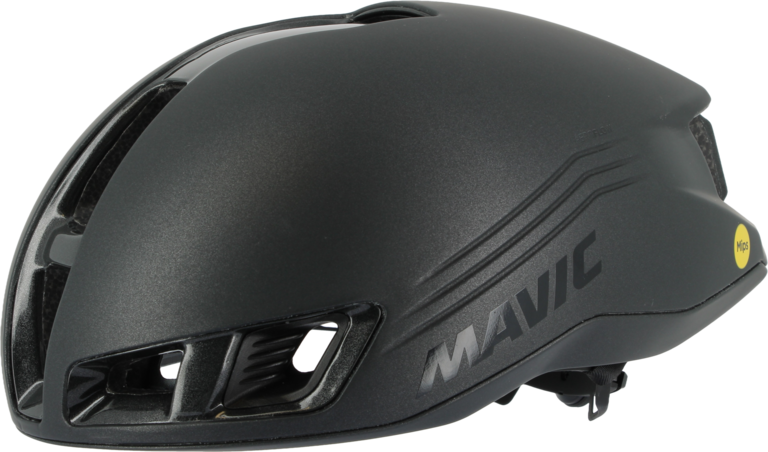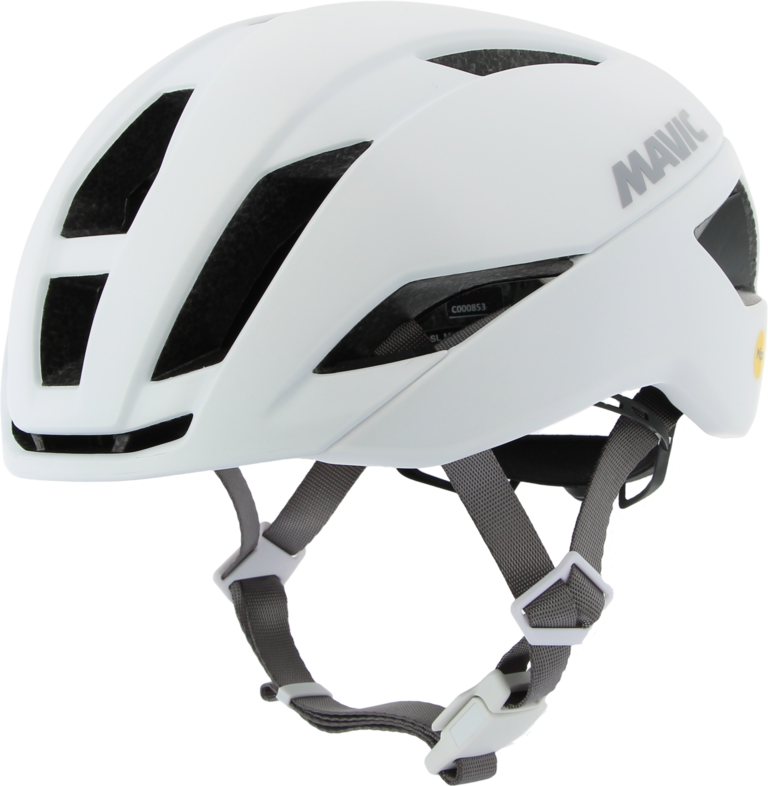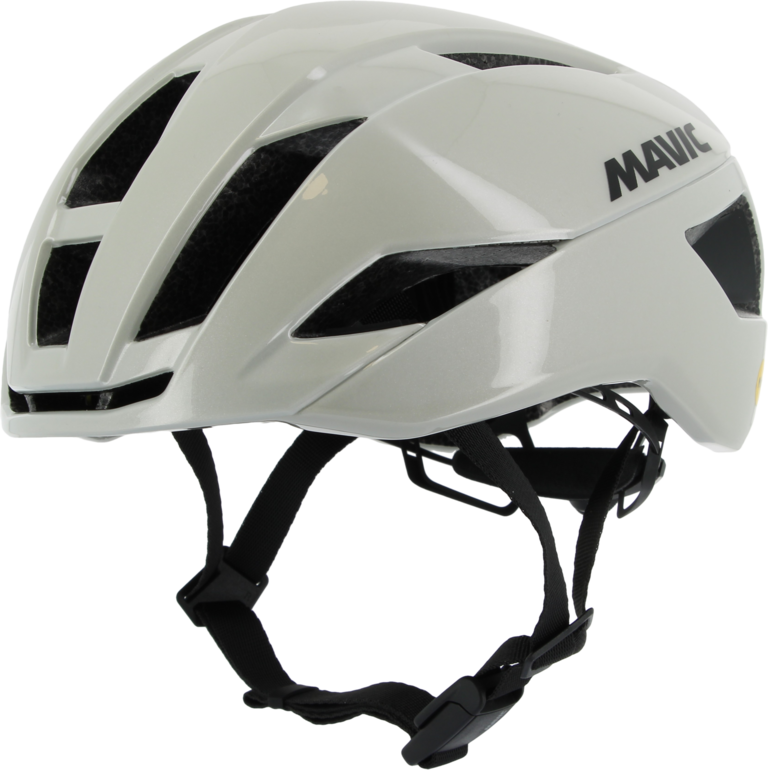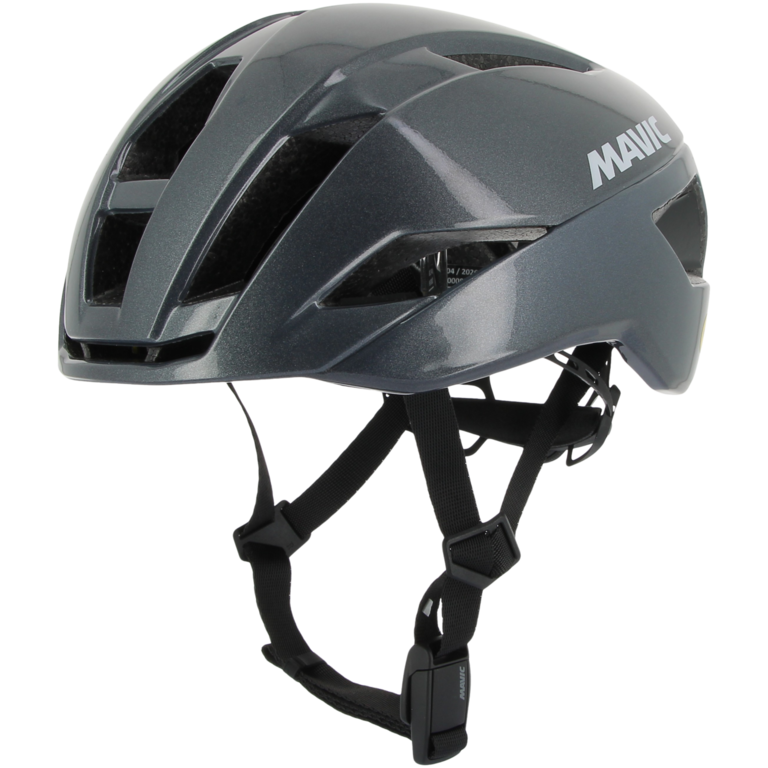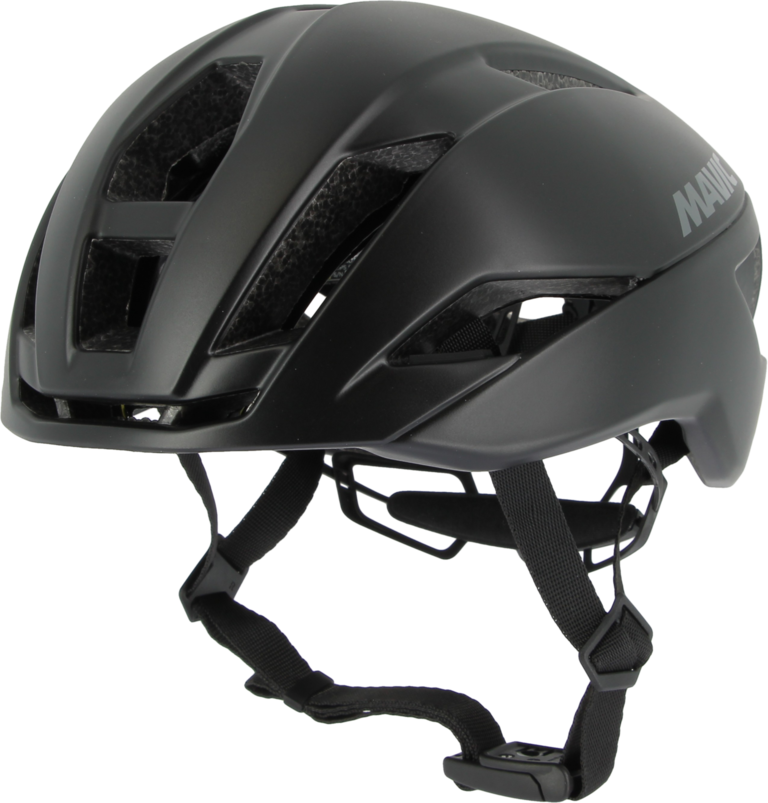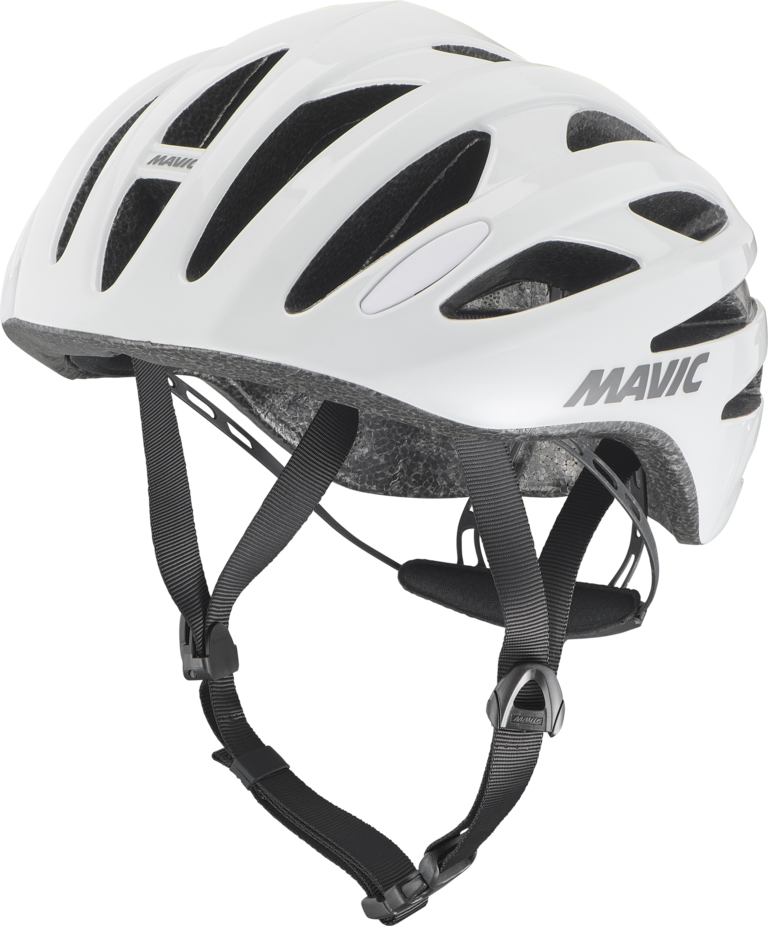
Lightweight and versatile
€59.00

Choosing an aero or vented helmet among road bike helmets depends mainly on your speed: an aero profile reduces drag when you ride fast, and a vented helmet lets more air in when you ride slowly. Mavic's road range has three helmets, from the Comete Ultimate aero helmet to the more versatile Aksium road helmet.
Which aero or vented helmet for which riding:
The Comete Ultimate aero helmet is the only one of the three with published wind tunnel gains. For the Comete SL and Aksium road helmets, compare how air flows through the shell, the protection and the price.
To judge a vented helmet, check whether its front vents lead into internal channels and rear exhausts. An aero helmet has vents too, but its shape is drawn first to reduce drag.
On the Comete Ultimate aero helmet, every dimension of the shell was refined in the wind tunnel and with CFD simulations: this is the AeroShape design. AeroFlow disruptors speed up the air just before it separates from the shell. The airflow stays attached to the helmet for longer, the low-pressure zone at the back shrinks, and drag drops with it. At the same speed, you need fewer watts.
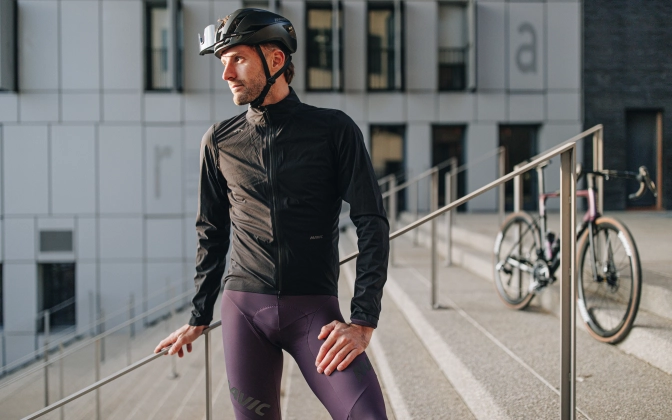
On the Comete SL road helmet, the front vents are connected to internal ventilation channels. The airflow cools your head, then leaves through the rear openings, carrying moisture with it. The helmet's shape, developed for aerodynamics, was tested in the HEPIA wind tunnel in Geneva.
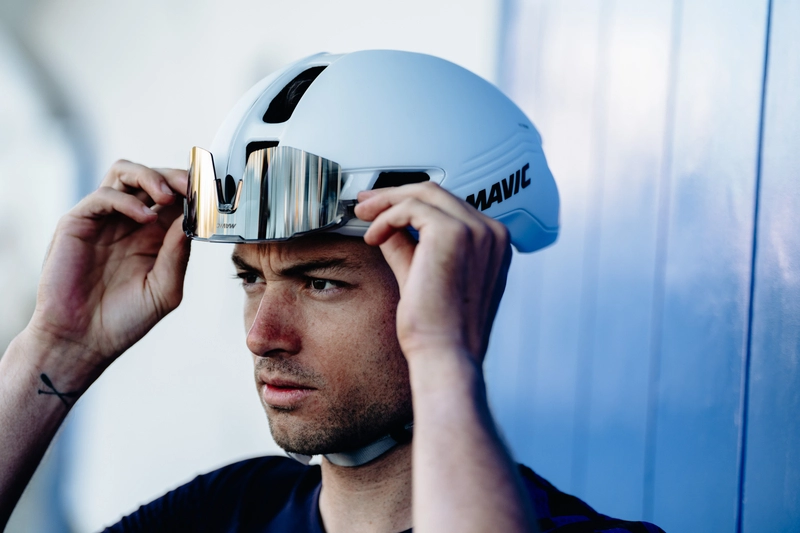
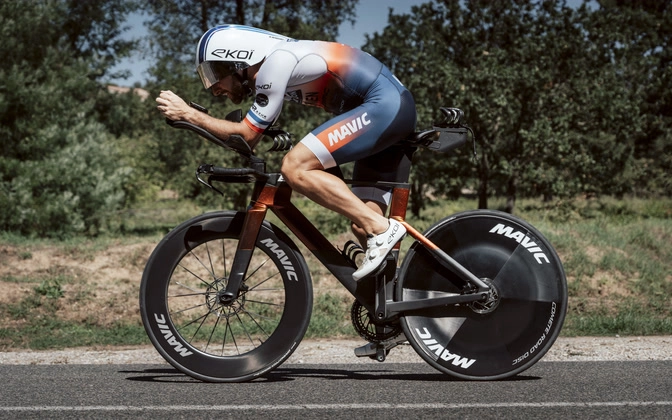
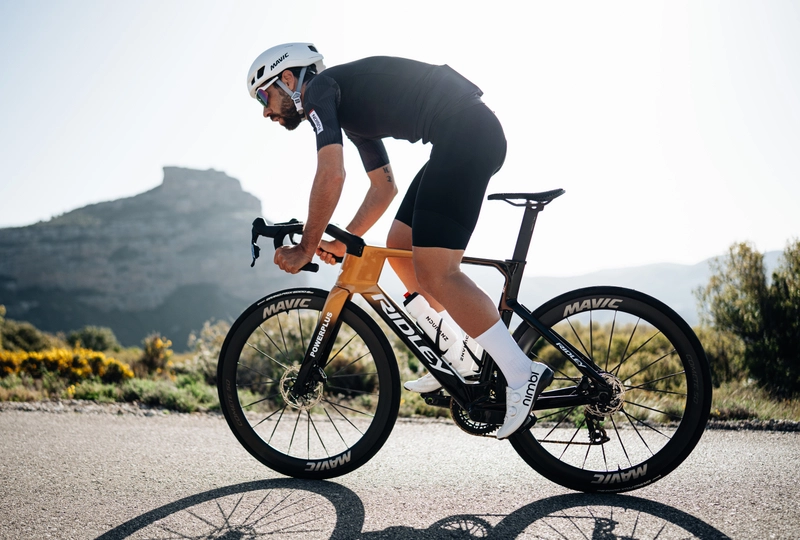
A helmet's aerodynamic gain is measured in watts, for a given speed, rider position and wind angle. During the development of the Comete Ultimate aero helmet, its drag was measured in the HEPIA wind tunnel in Geneva, at 50 km/h, with a rider, in two positions and at yaw angles of 0°, 10° and 20°. The tests take place in a controlled environment with stable atmospheric conditions. No gain is published at a lower speed.
In the upright position, where riders spend most of their time, the Comete Ultimate helmet saves 9 W on average against the helmets in the test panel. In the aero position, it saves up to 7.5 W against its closest competitor. Riders spend only a minority of their time in that position, and the helmet was optimised for both.
To compare two aero road helmets, note for each one the test speed, the rider's position, the yaw angle and the reference helmet. A gain against the closest competitor and an average against a panel of helmets do not measure the same thing. If any of these four details is missing or differs between two models, the figures cannot be compared.
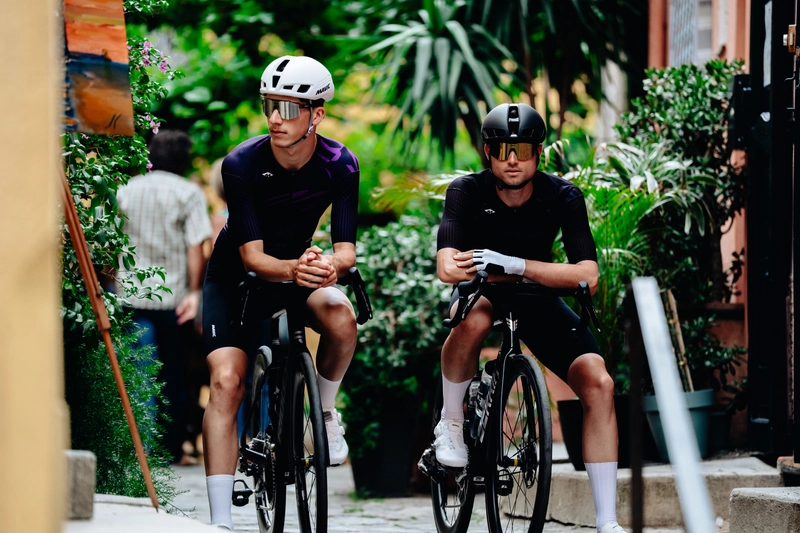
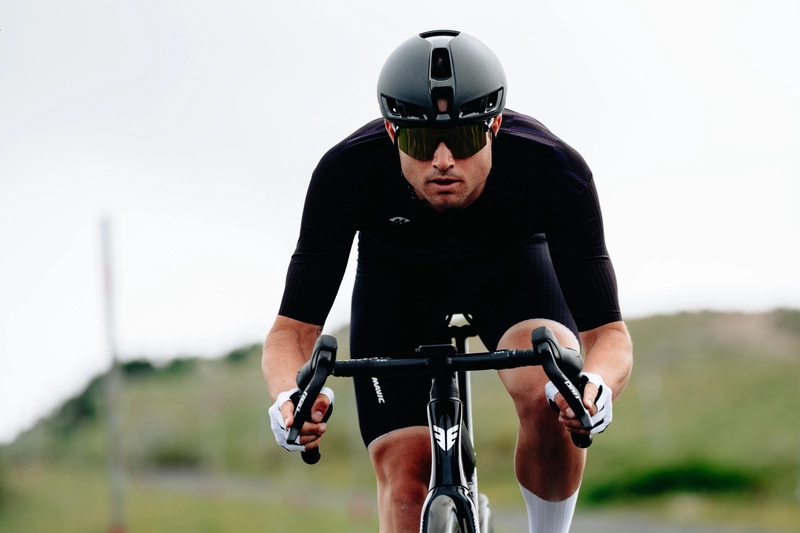
Aero helmet ventilation on the Comete Ultimate relies on the AirChannel system, optimised with CFD to improve cooling inside the helmet. Air comes in through large front vents, flows through deep internal channels and leaves through the rear exhausts.
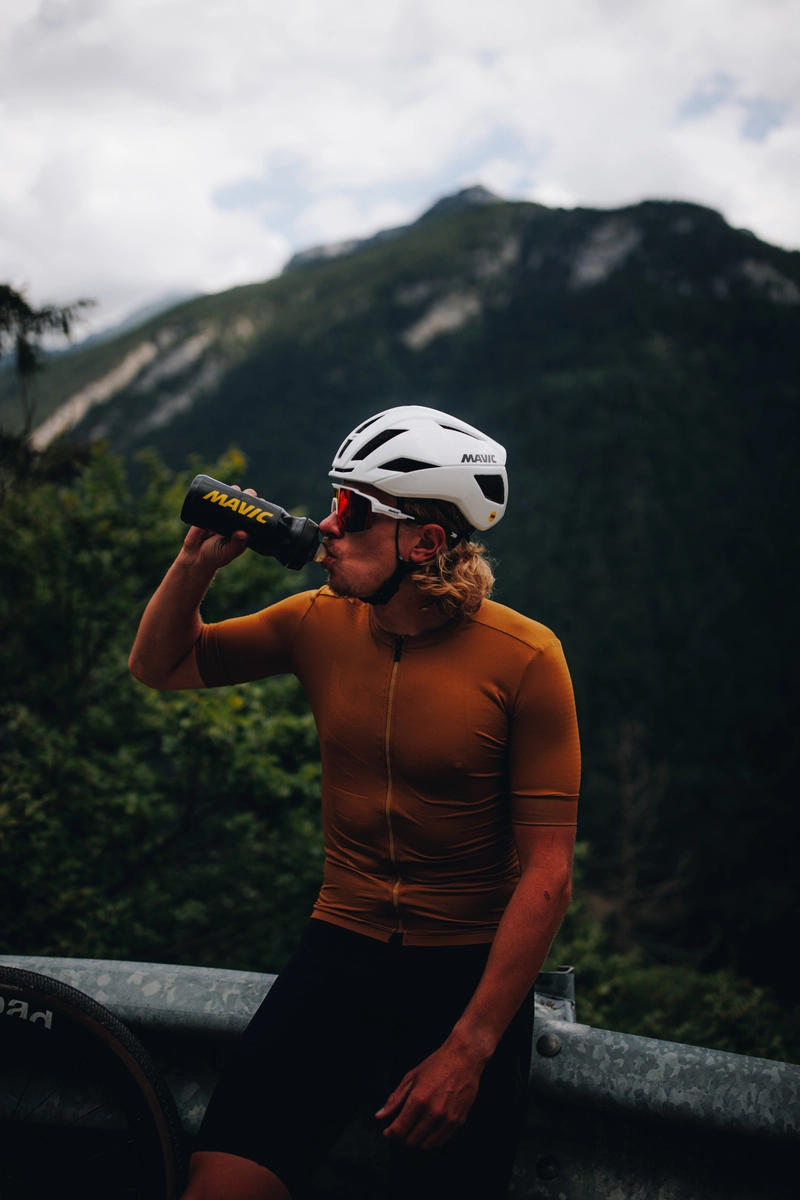
On a climb, you ride far slower than during the wind tunnel tests. The power needed to overcome drag rises very quickly with speed, and uphill an aero helmet gains you very little. At low speed and under hard effort, your comfort depends mostly on the fresh air coming into the helmet and on sweat management. On the Aksium road helmet, quick-drying Coolmax pads add to the ventilation.
The Comete Ultimate helmet, the Comete SL road helmet and the Aksium helmet all have a slot for your glasses on a climb or during a stop, so you do not have to hook them on your jersey or hold them. On the Comete SL and Aksium helmets, this storage is called Glass Garage, one of Mavic's cycling helmet innovations. The Comete Ultimate helmet has adjustable straps that work with glasses.
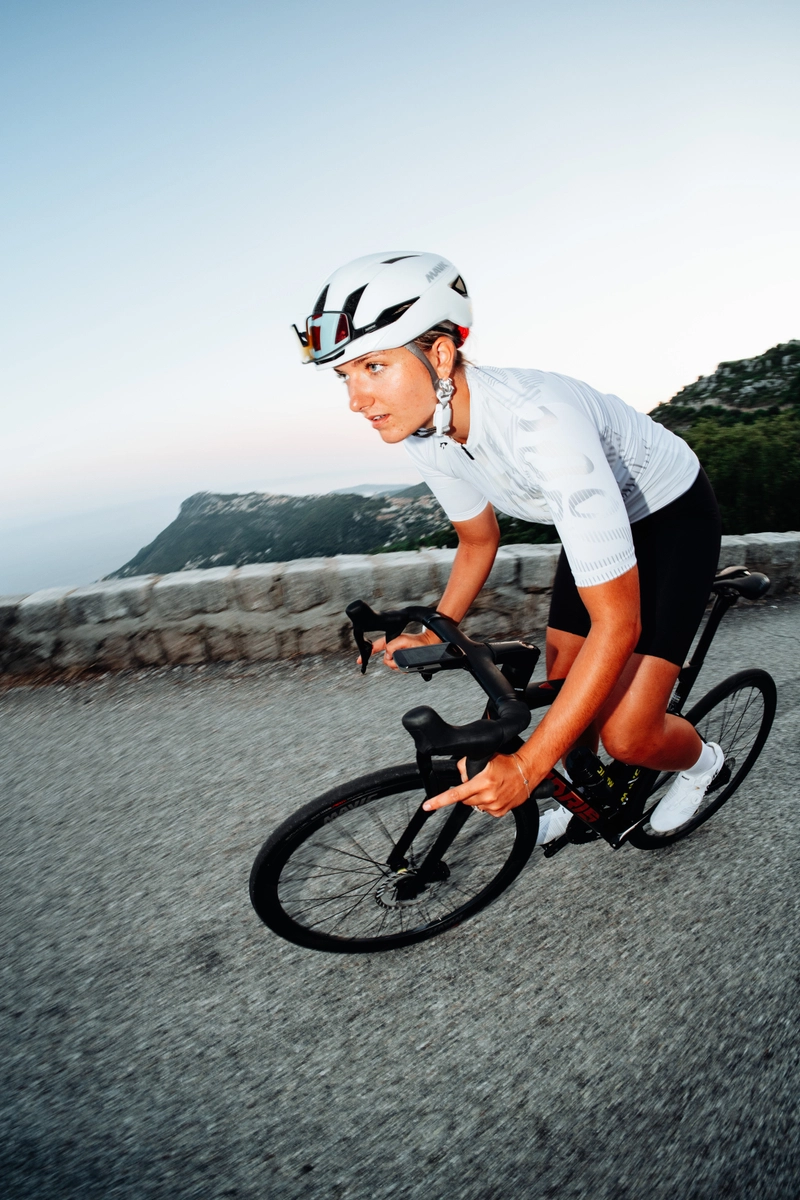
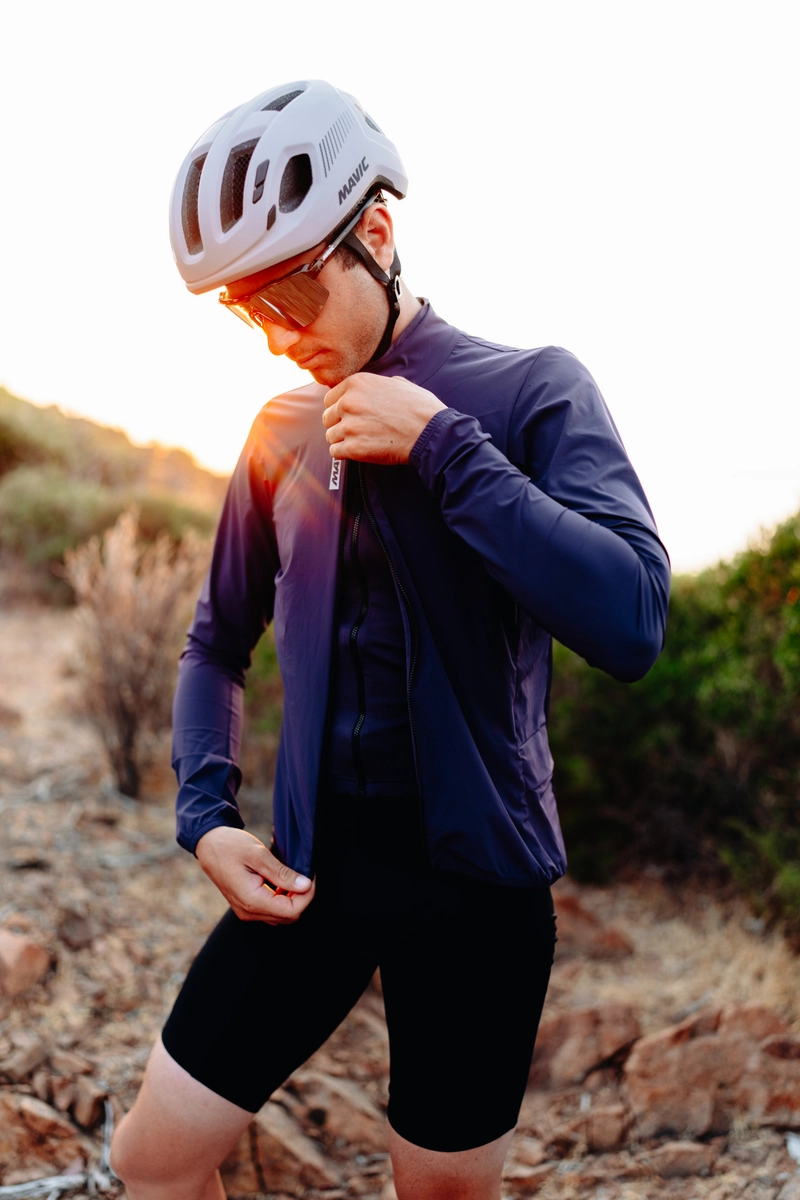

The Comete Ultimate aero helmet weighs 20 g more than the Comete SL road helmet in size M, and both use the same RS360 retention system. It keeps the Comete Ultimate helmet in place, even at high speed.
| Model | Weight (size M) | Sizes | Protection | Retention | Recommended use | Price |
| Comete Ultimate road helmet | 300 g | S, M, L | Mips Air Node Pro | RS360 | fast road riding, racing | €239.00 |
| Comete SL road helmet | 280 g | S, M, L | MIPS, extended rear coverage | RS360, FidLock buckle | road and gravel | €159.00 |
| Aksium road helmet | not stated for these sizes | S/M, L | extended rear coverage | adjustable fit | road, commuting, gravel | €59.00 |
The Aksium road helmet costs €180 less than the Comete Ultimate helmet, and the Comete SL helmet €80 less. The reflective zones on the sides and rear of the Comete SL helmet make you more visible in low light.
If you also ride on trails, all three models are part of Mavic's gravel helmet selection. All three come with a 2-year warranty. The Aksium helmet comes in only two sizes, S/M and L, so try it on before you buy if you are between the two.
To choose your aero or vented helmet, start from the pace of the rides you do most often. For racing or fast group rides on flat, fast courses, choose the Comete Ultimate aero helmet. If your rides alternate between road and gravel, choose the Comete SL road helmet; if commuting comes into it too, the Aksium road helmet. For long climbs in summer, compare ventilation and padding first.
All three road helmets are listed with their prices in Mavic's range of road bike helmets. For mountain biking the criteria change: see the mountain bike helmet buying guide.