
XC wheels

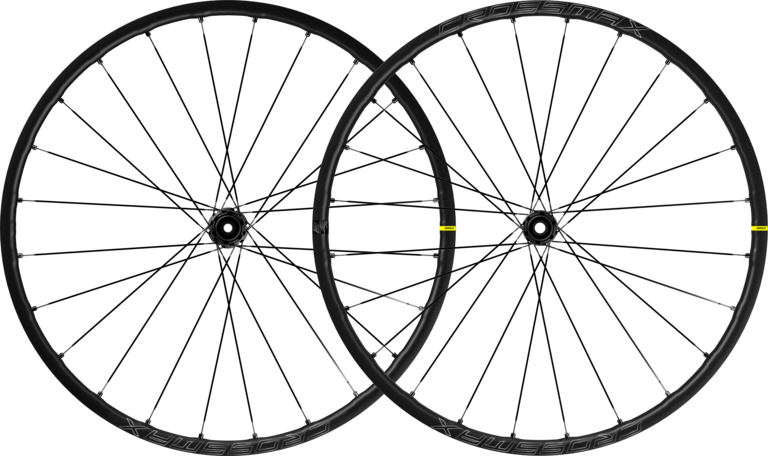
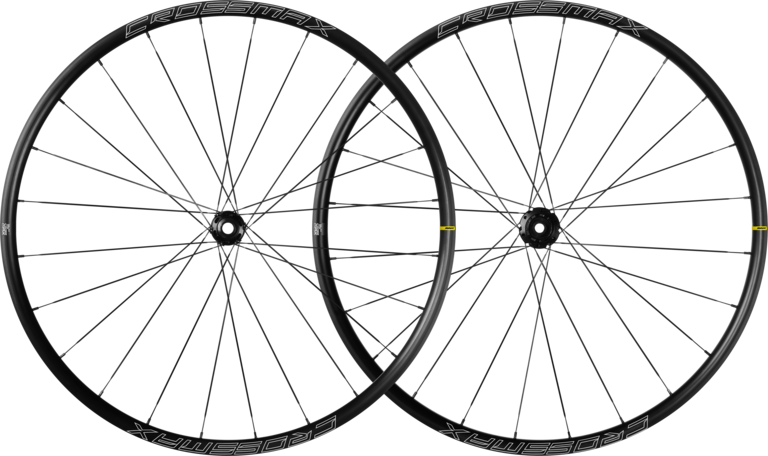
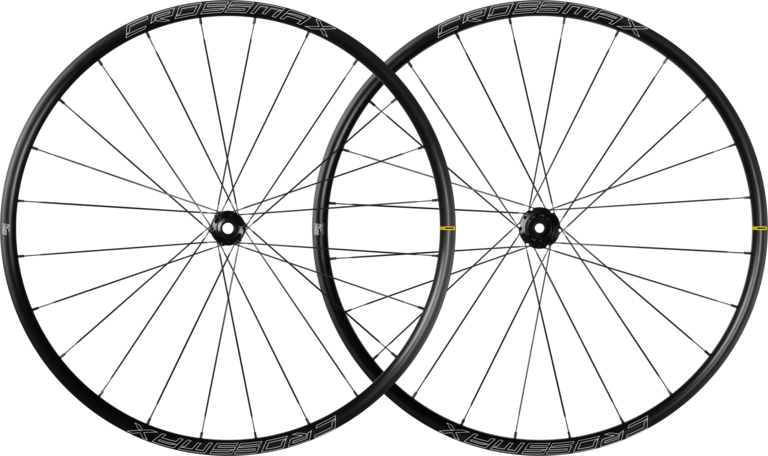
Mavic Crossmax XC MTB wheels: performance, precision, reliability

Specially designed for mountain bikers seeking ultimate performance, our cross-country wheels will take you over the most demanding trails with astonishing ease, whether in competition or for...


RecommendedSort By

Internal width: 25 mm in aluminium, 30 mm in carbon — for modern XC tyres

The internal width directly influences the tyre’s shape and stability. Wider rims provide greater support for the tyre at the correct pressure, improving control and precision when cornering, especially on rough terrain.

  • Crossmax aluminium: 25 mm internal width for a balance of performance and control.
  • Crossmax Carbon SL Ultimate: 30 mm internal width to maximise support, confidence and stability at high intensity.

Crossmax Aluminium (29 & 27.5): everyday efficiency, ready to race

On the aluminium Crossmax models, the Maxtal rim is designed to withstand modern XC use with an excellent weight-to-strength ratio. The rim features SUP welding for a robust and consistent joint, and the asymmetry helps achieve a more uniform tension distribution — a key factor for long-term durability.
You’ll also find UST tubeless (for more controlled riding) and Infinity hubs paired with QRM Auto bearings for consistency.

Crossmax SL S: ‘racing’ optimisation (ISM4D + FORE)

When chasing the clock, every detail counts. ISM4D intelligently optimises the rim material: removing it where it’s not needed, retaining it where it’s working.
FORE technology is a real workshop advantage: it contributes to a cleaner tubeless fit and can also facilitate spoke adjustments without having to dismantle the whole wheel (depending on configuration), with a ‘race-ready’ maintenance approach.

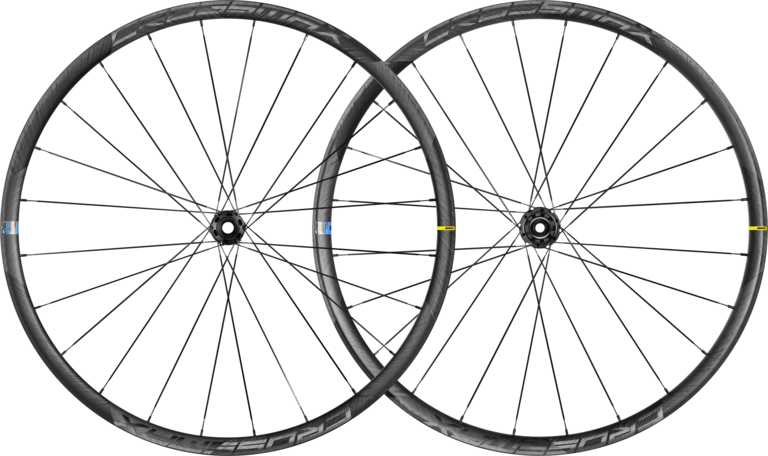
Crossmax Carbon SL Ultimate: UD carbon, 30 mm internal width, adaptive layup

On the Crossmax Carbon SL Ultimate, we move to a UD carbon rim, with a 30 mm internal width and a 25 mm profile: the objective is clear — stability under load, precision at high speed and efficiency on accelerations. Some tests of carbon XC wheels clearly illustrate that this “inner width and profile” combination, centred around similar values (inner width ~27–30 and depth ~25), has become very common on high-performance XC wheels.

The Adaptive Layup is used to fine-tune the stiffness/durability balance, resulting in a wheel that responds quickly without becoming “brittle” on the trail.

Hubs: engagement and reliability

In XC, engagement and smoothness are felt during accelerations and technical climbs. Buying guides highlight the importance of a responsive and reliable hub, especially when riding becomes more demanding.
Depending on the model, you’ll find Infinity (stiffness/efficiency) and ID360 (quick engagement), always with Mavic’s goal in mind: to convert your watts into speed, with “race-level” consistency.
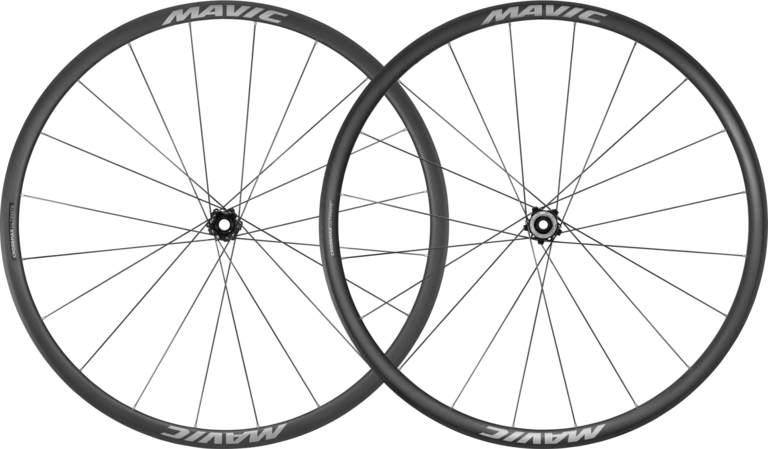
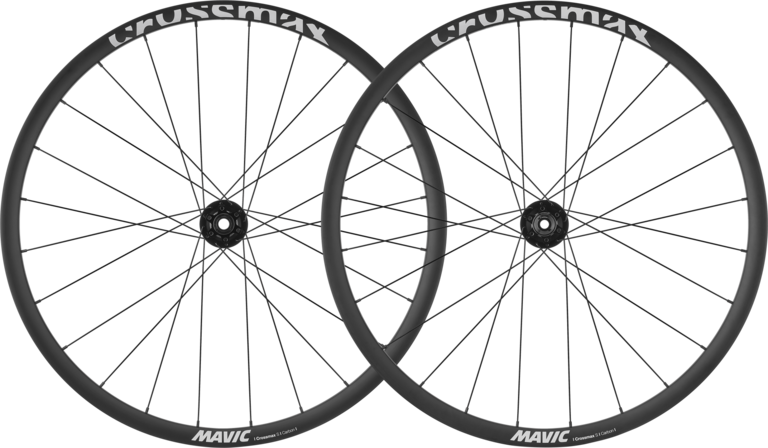
In modern XC, a high-performance wheel must do three things: respond to acceleration, maintain a clean line on technical sections, and remain stable when the terrain gets rough. The questions we hear most often in the workshop concern the choice between 25mm and 30mm internal width, 29er versus 27.5er, tubeless pressures, spoke tension, and hub/bearing maintenance. Here are our Mavic mechanic’s tips for riding fast… and trouble-free.
FAQ

The best wheel weight for cross-country mountain biking (XC) depends on the rider's size and preferences and the specific course. In general, however, XC riders prefer lightweight wheels for rapid acceleration, better handling and efficient climbing. Wheel weights can vary, but many top-of-the-range XC wheels weigh between 1,300 and 1,900 grams per pair. You should never sacrifice durability and strength for lightness, but strike the right balance to ensure that the wheels can withstand the rigors of XC terrain while being as light as possible.

The choice of wheel diameter depends largely on riding style and the rider’s body type. 29-inch wheels offer better climbing ability and better momentum retention, making them ideal for rough terrain and long distances. On the other hand, 27.5-inch wheels are more maneuverable and responsive, preferred by those looking for a more dynamic riding experience.

 
Les systèmes tubeless sont populaires en XC car ils réduisent le risque de crevaison par pincement, permettent de rouler à des pressions plus basses (améliorant la traction) et peuvent être légèrement plus légers que les configurations traditionnelles. En outre, en l'absence de chambre à air, le risque d'éclatement en cas de crevaison est réduit, ce qui augmente la fiabilité lors des courses ou sorties longues.

Mechanical method:

  • First, set the section + internal width, then adjust according to your weight/terrain.
  • Lower the pressure until you have grip without blurring when leaning and without bottoming out.
    Safety rule: always follow the recommended tyre and rim pressures (never exceed the lowest limit).

FORE (Crossmax SL S): cleaner/more reliable assembly and workshop advantage: access to spokes from the outside → simpler, faster intervention, often without "major disassembly".
In racing, the real benefit is: easier maintenance and a consistent system.

SUP welding improves the regularity of the rim joint and its robustness over time.
Workshop tip: a more uniform rim often means a wheel that performs better (fewer micro-changes in warping/jumping).

No: the aim is to optimise the "useful" material.
Workshop tip: in XC, save weight where it doesn't weaken the structure = a livelier wheel when accelerating, without becoming fragile.

Simple signs:

  • Intermittent disc friction
  • A "fuzzy" feeling when pressing down
  • A "ping" noise from the spokes after an impact
    Workshop tip: if you true the wheel and the problem returns, it is rarely "bad luck" → it is often due to uneven tension. This is what needs to be corrected.
  • Infinity: very stable base for performance, focused on rigidity/efficiency, complete wheel consistency.
  • ID360 (Carbon SL Ultimate): quick engagement, direct feel when accelerating out of a corner or over a step.
    Workshop advice: both are high-performance; what makes the difference in the long term is maintenance (cleanliness, lubrication, no high-pressure cleaning).

QRM Auto is designed to maintain clean rotation and limit play with automatic adjustment.
Monitor:

  • lateral play (clack)
  • rough rotation
  • abnormal noise
    Workshop tip: avoid high-pressure jets, rinse gently, dry, and check regularly if you drive in mud/dust.

Tubeless plug + tool, pump (or cartridge), a spare inner tube, multi-tool, chain tool + quick link. The best "repair" is still to check your tyres/pressure before the race.

Tubeless tyres are often preferred in XC because they allow you to ride with a pressure that is more suited to the terrain and greatly reduces the number of "classic" punctures. Workshop tip: tubeless tyres just require a routine (preventative maintenance, air pressure checks), but they are very cost-effective in both racing and training.


What are the real benefits of aluminium versus carbon wheels in XC?
Carbon often provides greater responsiveness and precision under high pressure, especially with a wider internal width. Aluminium remains an excellent choice for its robustness and practicality.

Workshop tip: the biggest gains are often made with tyres/pressure... then wheels.