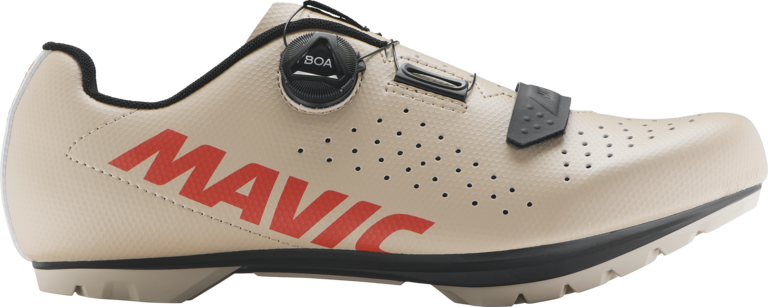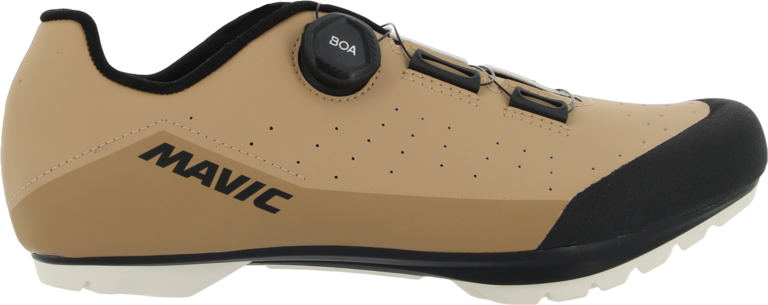
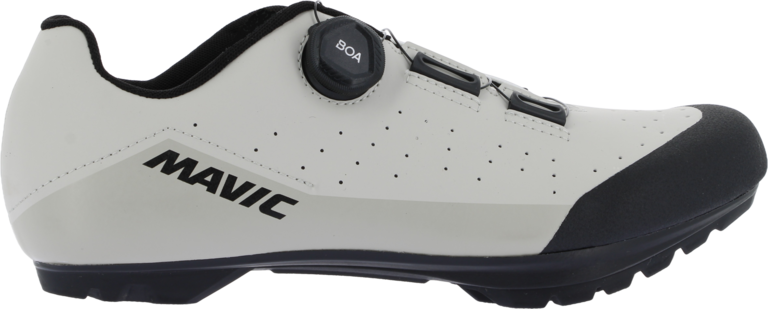
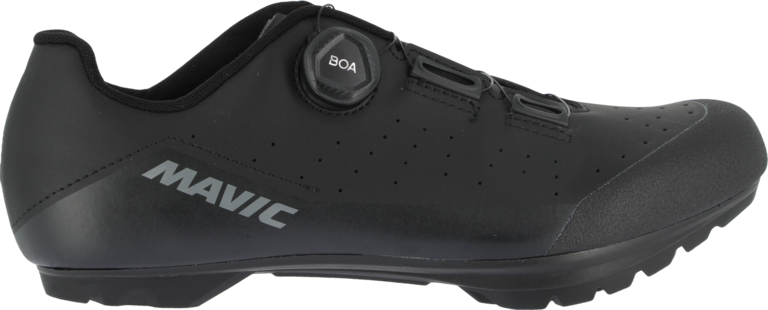
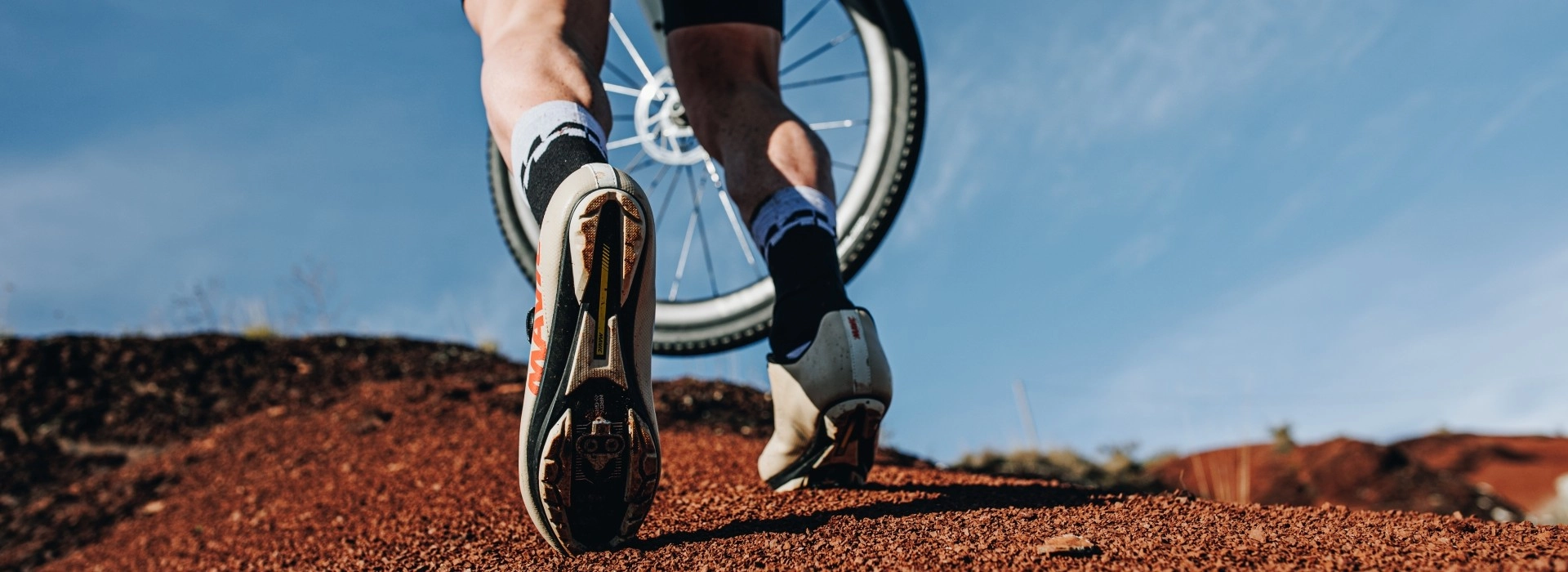
gravel shoes

Mavic gravel shoes: BOA®, SPD compatibility and off-bike grip

Gravel riding requires a different approach to road cycling. You switch from tarmac to trails, you’re constantly accelerating, and you walk more often: stops, impassable sections,...


RecommendedSort By

SPD compatibility (2-bolt): easy release, natural walking

Gravel shoes generally favour a two-bolt cleat interface, such as SPD, because it remains discreet and is compatible with walking.

The cleat is better integrated into the sole, which reduces slipping and improves ease when pushing the bike or walking on uneven ground.

Nylon and fibreglass sole (index 50): pedalling efficiency, long-lasting comfort

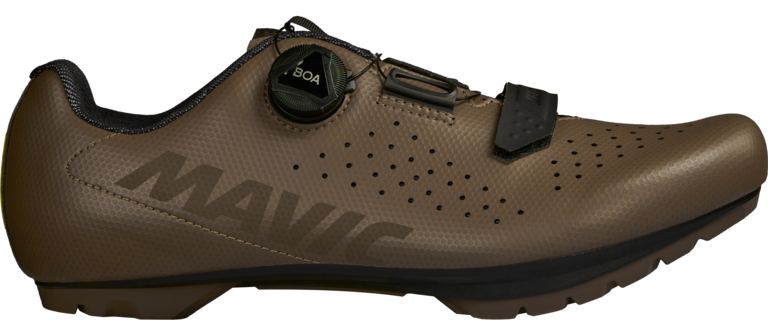
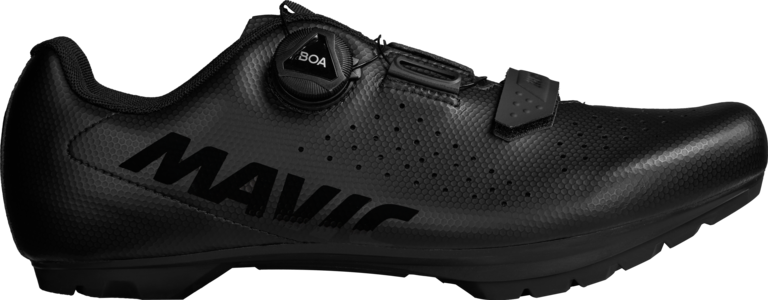
On the Cosmic BOA SPD, the nylon and fibreglass composite sole aims to provide effective support without becoming too demanding.

With a stated stiffness rating of 50, it promotes stable power transfer whilst remaining comfortable on longer rides and when you spend time off the bike.

Technical rubber outsole: reliable grip off the pedals

Gravel riding isn’t just about pedalling. A technical rubber outsole with a non-slip texture provides useful traction on wet or dusty surfaces and is abrasion-resistant.

The low-profile lugs promote stable footing without hindering the fluidity of pedalling

BOA® Fit System L6: millimetre-precise adjustment, even whilst riding

A good fit should secure the heel and distribute pressure across the instep, without any pressure points.

The BOA® Fit System with L6 dial allows for precise micro-adjustment on the fly. On the Cosmic BOA SPD, a front Velcro fastening complements the tightening to refine the fit and stabilise the forefoot.

Perforated upper and a design built to last: breathability and comfort

When your ride turns into a long day, the upper (the entire part above the sole) needs to let your foot breathe and maintain constant comfort.

The Cosmic BOA SPD features a perforated synthetic leather composite upper, designed to promote breathability, with a roomier forefoot to ensure comfort over time.

Memory foam insole: minimises vibrations and pressure points

On rough surfaces, vibrations build up. A memory foam insole helps improve comfort and smooth out the sensation underfoot, particularly when you’re cycling on roads and trails for several hours.

Which model should you choose for your gravel bike?

Adventure gravel, cycle touring: the Cosmic BOA SPD is designed to combine pedalling efficiency with comfort when walking.

Highly technical gravel, similar to XC: an XC MTB model may be suitable. The Crossmax BOA features the BOA® L6 fastening system and a 50-index sole, with overmoulded TPU lugs for traction.

Demanding gravel, riding and footing: the Crossmax SL II features a carbon composite sole, reinforced protection (TPU rock guard) and excellent traction thanks to its TPU lugs, useful if you often have to dismount.
The most common questions about gravel shoes concern SPD compatibility, sole stiffness, walking performance (grip and lugs), fastening options, sizing, and care after a dusty or wet ride. Here are some simple guidelines and tips from our technicians to help you choose a pair that’s right for your needs.
Although similar in many respects, gravel shoes are often lighter than MTB models, and feature a moderately stiff sole balancing ample power transmission with a degree of comfort when walking and hike-a-biking. They also have a less aggressive tread profile, enough to offer grip on mixed terrain without adding unnecessary weight and bulk. 

Because on gravel rides, you get off your bike more often. A gravel shoe is designed for safer walking thanks to a lugged sole and a more integrated cleat.
You maintain good pedalling efficiency, whilst being more comfortable during stops, when carrying your bike or on technical sections.

For gravel riding, you often want a medium level of stiffness: firm enough to pedal efficiently, but not so stiff that it becomes uncomfortable when walking.
A sole rated as medium, such as the Cosmic BOA SPD’s stiffness rating of 50, is suitable for most mixed-terrain rides.

The most common standard for gravel riding is the two-bolt cleat, such as SPD, as it is more practical for walking and better suited to dusty conditions.
Road cleats are very efficient for pedalling, but less suitable when you need to put your foot down and are designed exclusively for road cycling shoes.

Yes, because your feet change shape during a ride, especially in hot weather. The micro-adjustment allows you to loosen or tighten the fit slightly without stopping. It’s also a good way to distribute pressure across the instep, helping to prevent pressure points.

Your heel should be firmly secured, without any wobbling, and there should be reasonable room in the forefoot.
Ideally, try them on at the end of the day and with your cycling socks on. A proper fit should not create any pressure points on the top of the foot.

For online orders:
- Measure your foot at the end of the day whilst wearing a pair of socks.
- Refer to the size guide.

Clean with a soft brush and lukewarm water, then leave to air dry, away from any heat source.
Check the cleat and screws regularly, as they can come loose due to vibrations.
Simple but regular cleaning extends the lifespan of the shoes and ensures they remain secure.