Mavic Trail MTB Wheels: stability, acceleration, durability

Mavic Trail MTB Wheels: control, acceleration and reliability

Modern trail riding involves a constant alternation of acceleration, braking and impacts. A suitable wheel must be stable when it takes a knock, precise in corners and responsive as soon as you...


RecommendedSort By

Width and profile: the basis of control

On a trail bike, the rim must provide a solid base for the tyre to maintain traction and grip. Today’s “wide” profiles offer greater stability, especially with modern trail tyres.

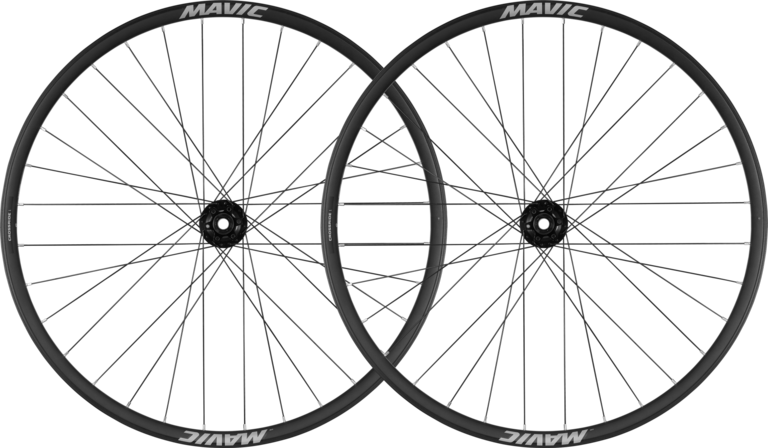
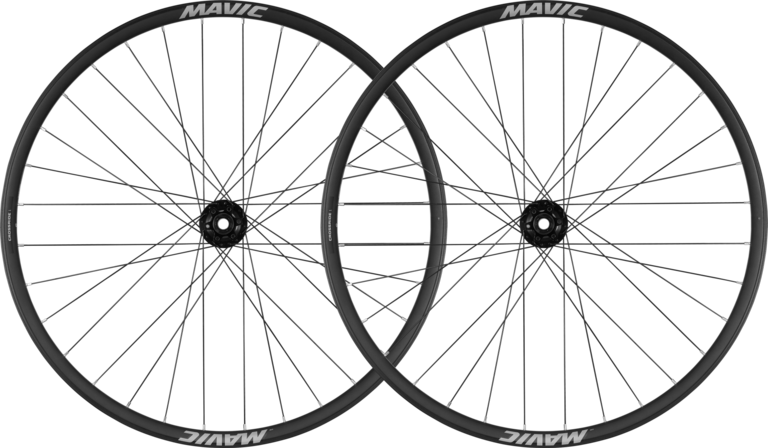
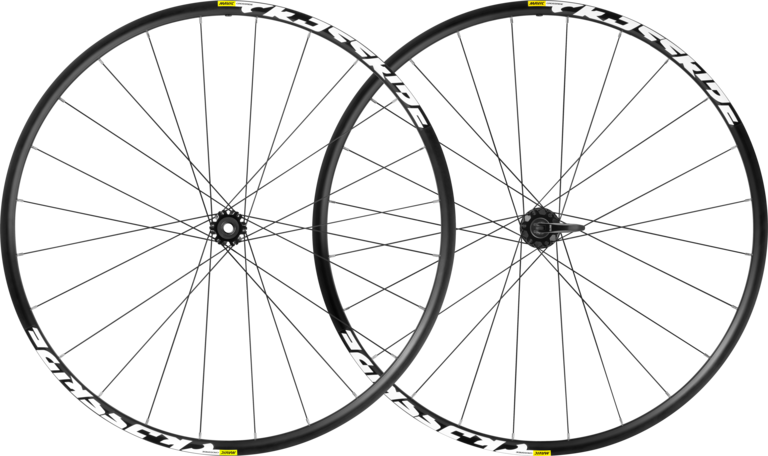
On the Crosstrail SL, Mavic features a 30 mm aluminium rim designed for an “indestructible” wheel for trail use.

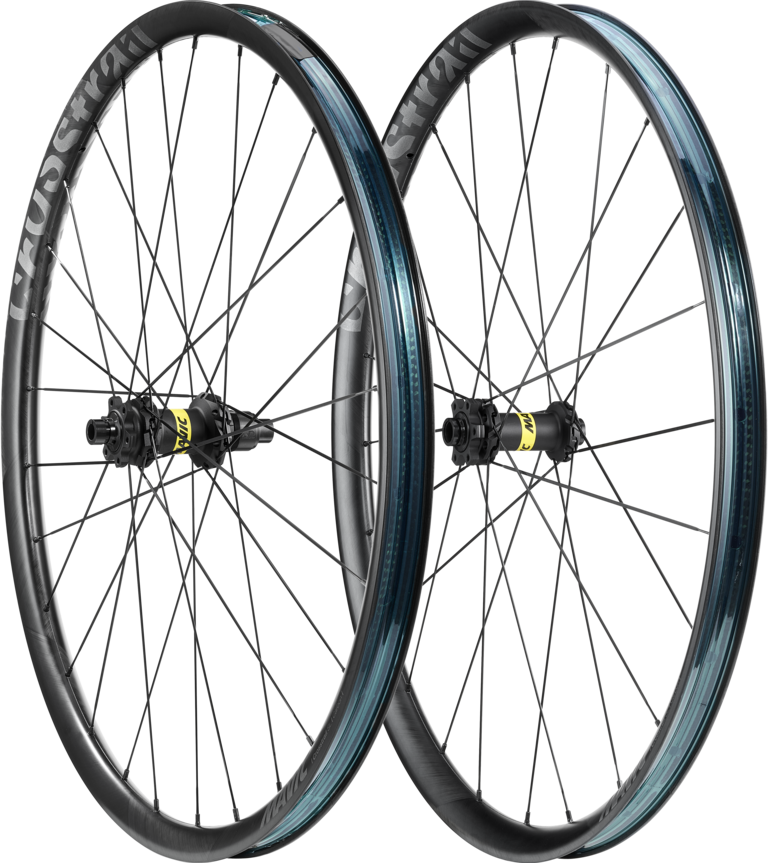
On the carbon side, the Crosstrail SL Carbon aims for a balance of stability and dynamism with a carbon rim (UD outer layer) and a 30 mm internal width.

Rims and assembly: impact resistance, long-term durability

In the workshop, a wheel’s durability often depends on the consistency of the build (even tension, consistent spoke pattern) and the rim’s ability to withstand stress without warping. On the Crosstrail SL, Mavic emphasises the combination of a wide rim and robust technologies (including Fore/PFP according to the product spec).

Hubs and bearings: hassle-free reliability

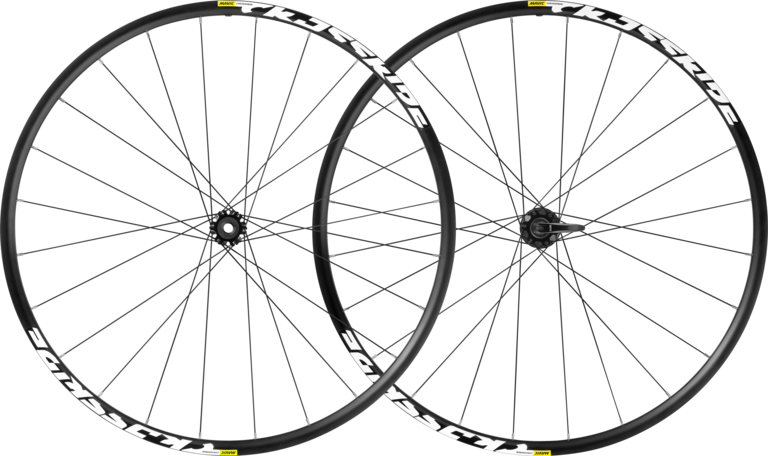
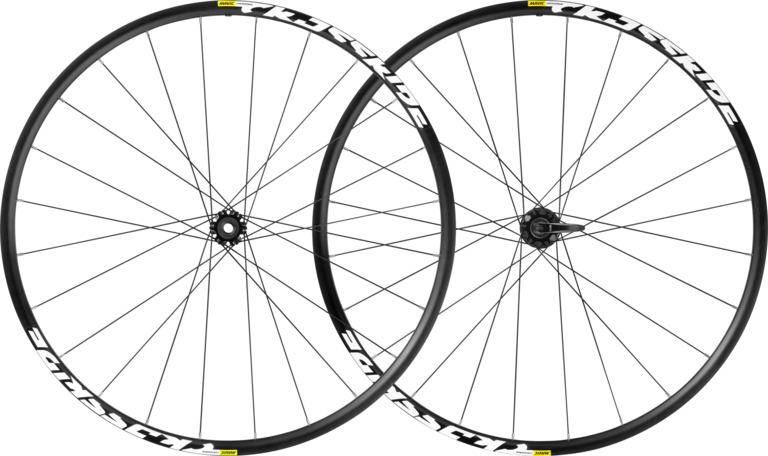
On dusty or wet trails, the critical factors are the bearings and sealing. The Crosstrail (depending on the model) uses the Instant Drive 360 freewheel system, Infinity hubs, and QRM Auto self-adjusting bearings (double sealing, C3 internal clearance, automatic adjustment).
This ensures a wheel that remains smooth, with no unwanted play, and maintains consistent performance.
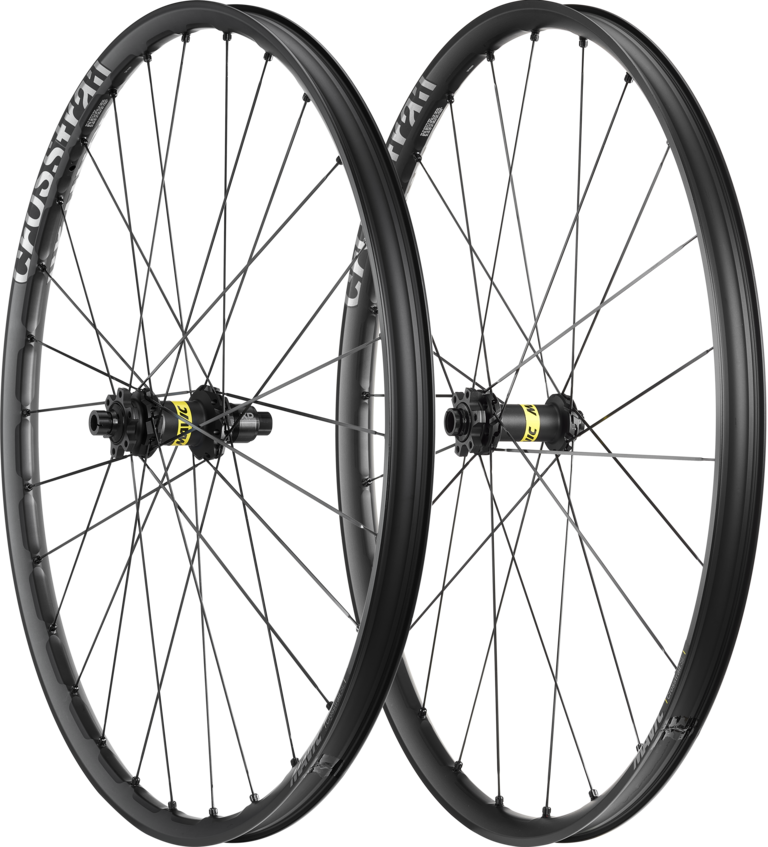
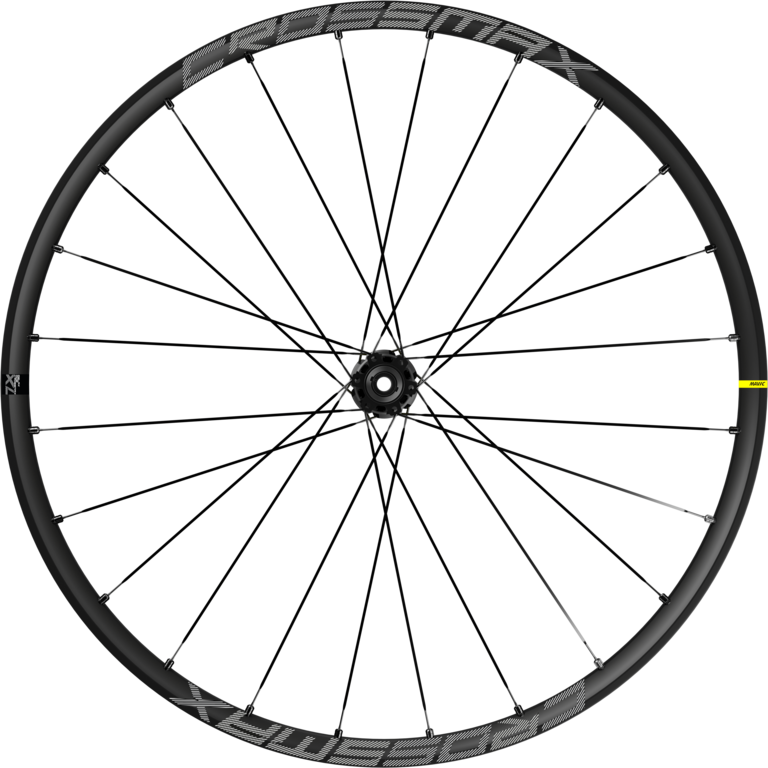
A range to suit your trail riding style

  • Aluminium rim wheel: an excellent balance of impact resistance, reliability and value for money for frequent riding, anywhere.
  • Carbon rim wheel: greater precision and responsiveness when the pace picks up, with the stability of a modern tyre.
On a trail ride, you’re mainly looking for three things: control on rough terrain, impact resistance, and a wheel that accelerates without bending under load. The questions we get asked most often in the workshop concern rim width, the choice between aluminium and carbon, tubeless pressures, puncture protection, disc rubbing and hub/bearing maintenance – we’ll tell you everything!
FAQ

For trail riding, a rim width of 25 to 30mm (internal) is generally recommended. This width offers a good balance between weight, strength and performance. It also provides a better base for the wide tires typically used in trail riding, offering better traction and stability on varied terrain.

  • 2.3–2.4: fast trail riding, acceleration, mixed terrain
  • 2.5–2.6: rough, technical terrain, seeking grip and comfort

Tip: also adjust the casing (reinforcements) if you ride hard.

Workshop method: start on the ‘safe’ side, then lower the pressure in 0.1 bar increments until you gain grip without losing stability in corners. If you’re bottoming out, scraping the rim or the tyre “loses grip” under load, increase the pressure slightly.

An insert allows you to ride with greater peace of mind: better grip at reasonable pressure, rim protection in the event of an impact, and fewer punctures. Useful if you ride fast, are heavy, or ride on very rocky terrain.

  • Aluminium: a very good choice for “riding hard and often” and forgiving.
  • Carbon: top-notch precision and acceleration when you attack, with a more direct feel for the terrain.

The real deciding factor: your terrain, your riding intensity, your tyre/maintenance budget.

After a heavy impact, if you hear “pings”, if the wheel feels wobbly under load, or if it starts to wobble again. A reliable trail wheel is often one with consistent spoke tension (not just “straight”)

29: more stability and speed through sections, better clearance.
27.5: more playful, easier to manoeuvre in tight spaces.

In practice: many riders use 29” wheels everywhere, but 27.5” still makes sense depending on your build and riding style.

Spare inner tubes + tool, pump/cartridge, a spare inner tube, multi-tool, chain tool + quick link.

Useful bonus: a small piece of strong tape (“American tape”) and some Rilsan cable ties.