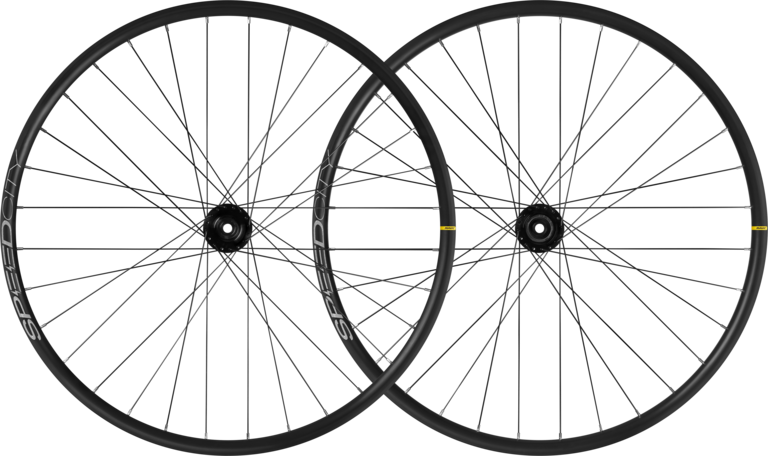
City bike wheels

Mavic city bike wheels: safety, reliability and comfort for everyday use

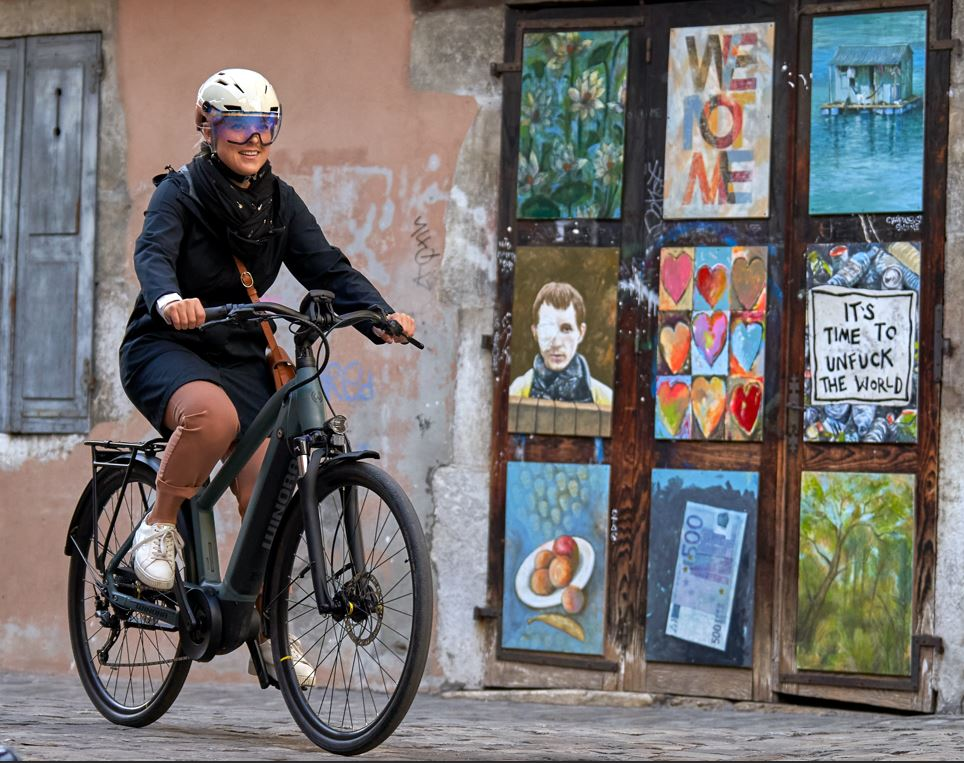
The city is unforgiving: pavements, potholes, tram tracks, repeated braking, rain… and sometimes a loaded bike (bag, lock, shopping), or even an e-bike which adds torque and...


RecommendedSort By

An urban wheel is judged by its consistency

At Mavic, a wheel is designed as a complete unit: rim, spokes, hub.

In urban use, performance means a wheel that maintains its handling over time: precise steering, smooth rolling, and a wheel that doesn’t go out of alignment at the first impact.
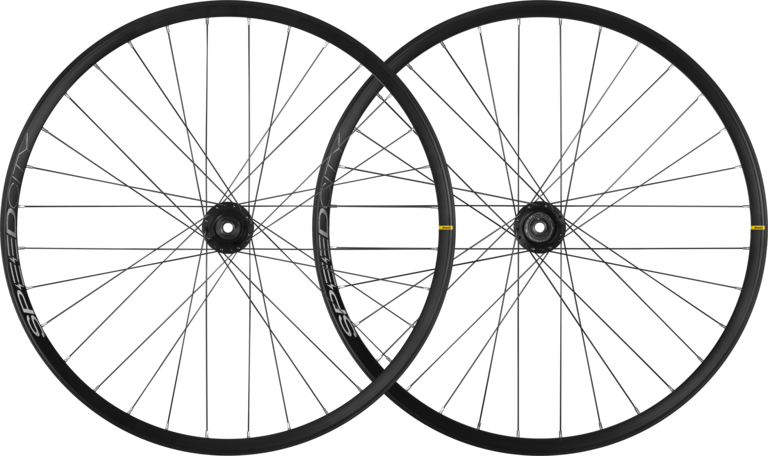
This is also why we prioritise builds focused on reliability, such as 32 spokes, a recognised standard for withstanding the stresses of everyday use and keeping a wheel ‘stable’ over time.

Load and e-bikes: built to withstand the strain

In town, the actual load is often greater than one might imagine: gear, a bag, a child, and sometimes electric assistance. Some wheels are certified for a load capacity of up to 180 kg (total weight), to maintain stability and safety when the bike is loaded or when used intensively.

And on an e-bike, the critical factor is torque: accelerating away from traffic lights or picking up speed on a hill puts enormous strain on the freewheel. A freewheel designed to remain reliable when faced with powerful motors (up to 120 Nm) offers real peace of mind: consistent engagement, durability, and fewer nasty surprises.

Day-to-day reliability: bearings and maintenance

A reliable city wheel is also one that remains smooth and free of play, despite rain, dust and washing. Self-adjusting bearings such as QRM Auto are designed to maintain smooth rotation over time, limit the build-up of play and reduce the need for unscheduled maintenance.

Tubeless: fewer surprises, more comfort

Tubeless tyres are particularly well-suited to city riding: they offer better tolerance to small punctures, allow you to ride at a pressure better suited to comfort on cobblestones, and result in fewer disruptive punctures on daily commutes. The aim is simple: set off with peace of mind, arrive on time.

Engagement and efficiency: the freewheel for quick acceleration

In traffic, you’re often accelerating: at traffic lights, roundabouts, and changes in pace. A modern freewheel system like the ID360 is designed to offer quick engagement and a direct feel when power is applied — useful on both e-bikes and conventional bikes.

Mavic city wheels are robust, stable and repairable, capable of withstanding real-world use (load, rain, impacts) whilst remaining smooth and reassuring in everyday use.

In town, a wheel must above all be reliable: it needs to handle kerbs, cope with rain and repeated braking without going out of alignment. And when a problem arises (flat tyre, puncture, rubbing), the aim is simple: get home easily and get the bike back in working order without stress. Here are the most common questions, with practical answers just as you’d get in the workshop.
FAQ

In an urban environment, wheels are regularly exposed to various obstacles, such as potholes, kerbs, or uneven cycle paths. A robust, well-designed wheel will better withstand these challenges, ensuring a longer lifespan and minimising the need for regular maintenance. Reinforced rims, an appropriate number of spokes and good construction are essential to ensure this robustness.

The ideal wheel size for a city bike depends on the rider’s preference and intended use. 700c wheels are common on many city bikes due to their efficient ‘ride quality’ and their adaptability to various urban terrains. They allow for a comfortable cruising speed. 26-inch wheels, often seen on cruiser-style bikes or certain mountain bikes, offer greater manoeuvrability, which can be useful in busy areas. Ultimately, the choice will depend on the desired balance between speed and manoeuvrability.

The weight of the wheel plays a direct role in acceleration: lighter wheels require less energy to accelerate, which is advantageous when stopping and starting in urban areas. Design, in particular rim profile and spoke count, can also influence aerodynamics and stiffness. Wider rims can accept wider tires, offering greater comfort but potentially slightly reduced acceleration. For urban riding, balancing comfort, durability and acceleration is essential to navigate traffic efficiently.

The simplest way: check the minimum/maximum pressure indicated on the sidewall of the tyre, and stay within that range. If the tyre squishes when you get on the bike, the pressure is often too low. A properly inflated tyre rolls better, is less prone to punctures and prevents damage to the rim.

For urban use, ideally aim for once a week (or every two weeks if you don’t ride much). Tyres naturally lose a little air. Checking them regularly prevents most “silly” punctures and makes cycling more enjoyable.

Because that’s what gives you peace of mind: a high-quality wheel remains stable, withstands impacts better, is less likely to go out of alignment, and maintains good performance over time. Put simply: fewer breakdowns, fewer unexpected costs, and greater peace of mind in your daily life.

The “express” solution: change the inner tube (if you’re riding on tyres with inner tubes) or use a repair kit if you have one. The right thing to do: carry a spare inner tube, two tyre levers and a mini-pump. That’s what’ll get you back on the road in 10–15 minutes.

The “zero stress” kit: inner tube, tyre lever, mini-pump (or CO₂ cartridge), multi-tool, and ideally a small emergency patch. That covers 90% of everyday problems.

A puncture repair spray can also do the trick to get you to your destination and then repair it later.

Typical signs: it rubs intermittently, you feel vibrations, or you see the rim “wobbling” when you turn the wheel. If it’s minor, a workshop can quickly true it; if it’s severe, it’s best to avoid riding fast.

Often, no. It’s usually just a matter of realigning the caliper or a slightly misaligned disc. If the squeaking is constant and loud, get it sorted: you’ll save your brake pads and your bike will run smoothly again.

Two things:

  • check the condition of the tyres (wear/cuts)
  • adjust the pressure slightly if necessary (over-inflated = less grip).

And after a very wet ride: a quick clean and lubrication prevents rust and keeps the bike running smoothly.

  • Inner tube: easy to understand and repair.
  • Tubeless: preventive sealant that automatically seals small punctures, but requires a bit more maintenance (preventative).


If your aim is “zero hassle”, inner tubes are often the easiest option. If you want fewer punctures in everyday use, tubeless tyres may be worth considering.

Good “city” routine: a quick visual check regularly, and a more thorough check every 3 to 6 months if you cycle often (brakes, tyres, tightness, wear and tear). An annual service is ideal for peace of mind.