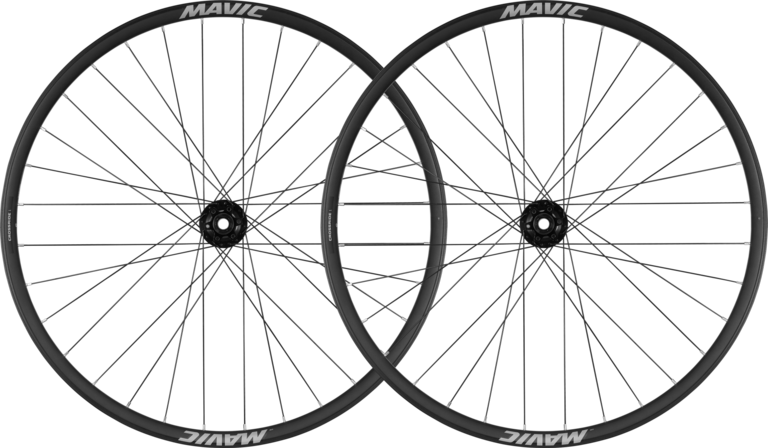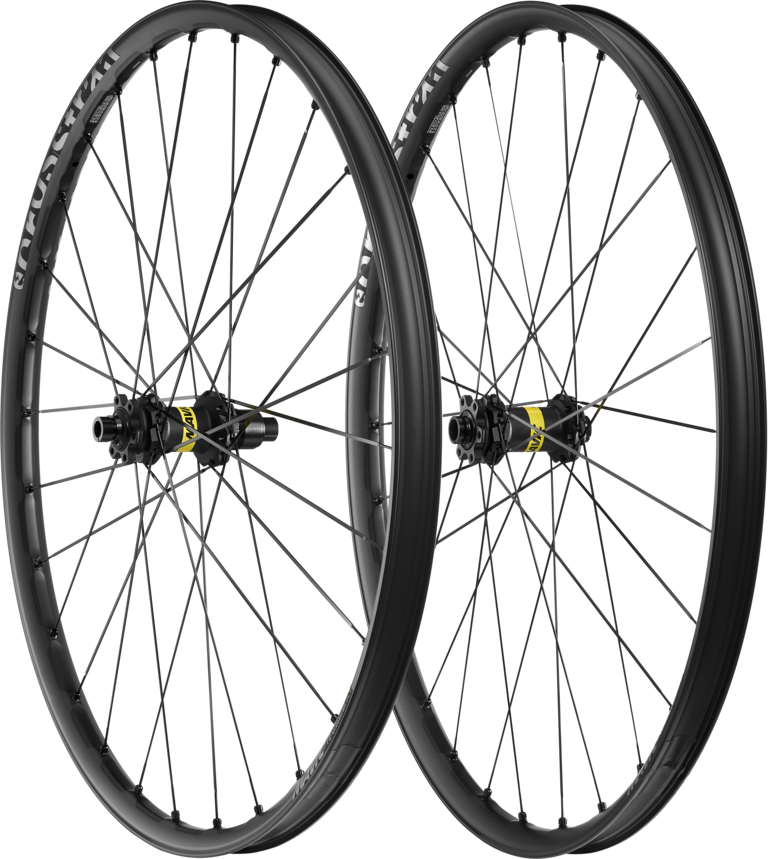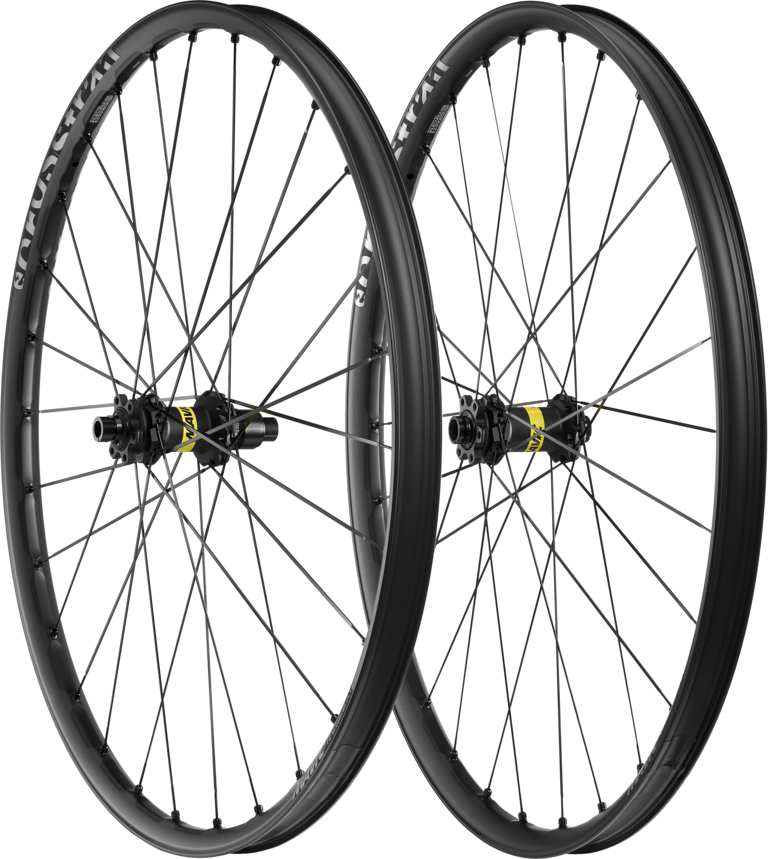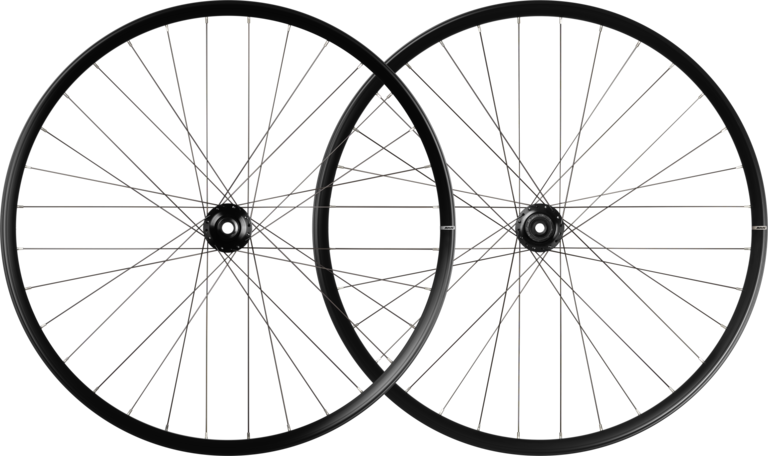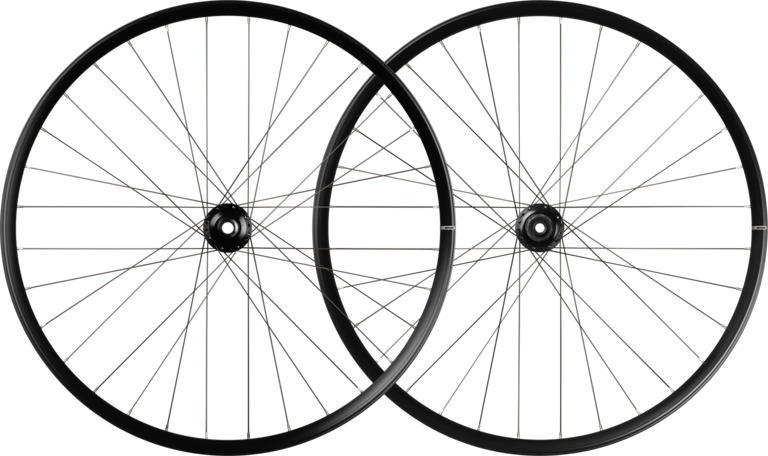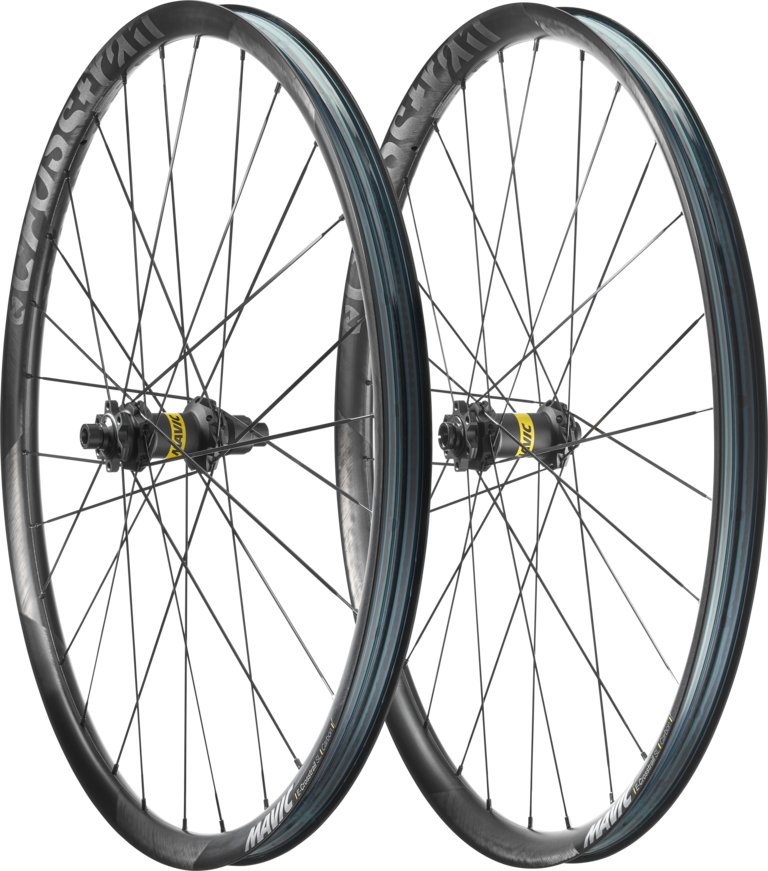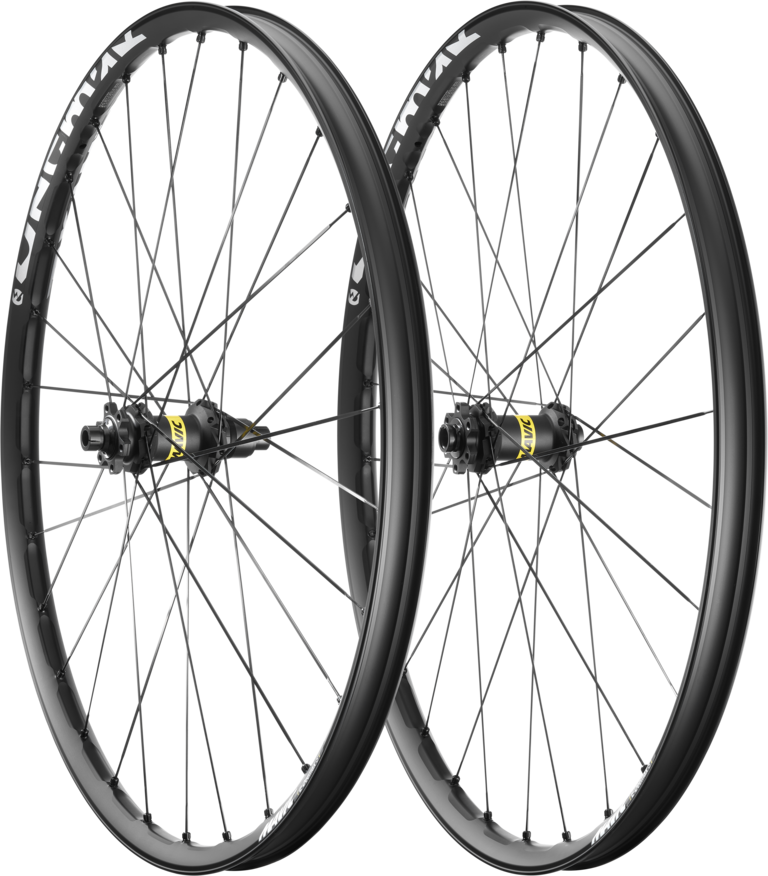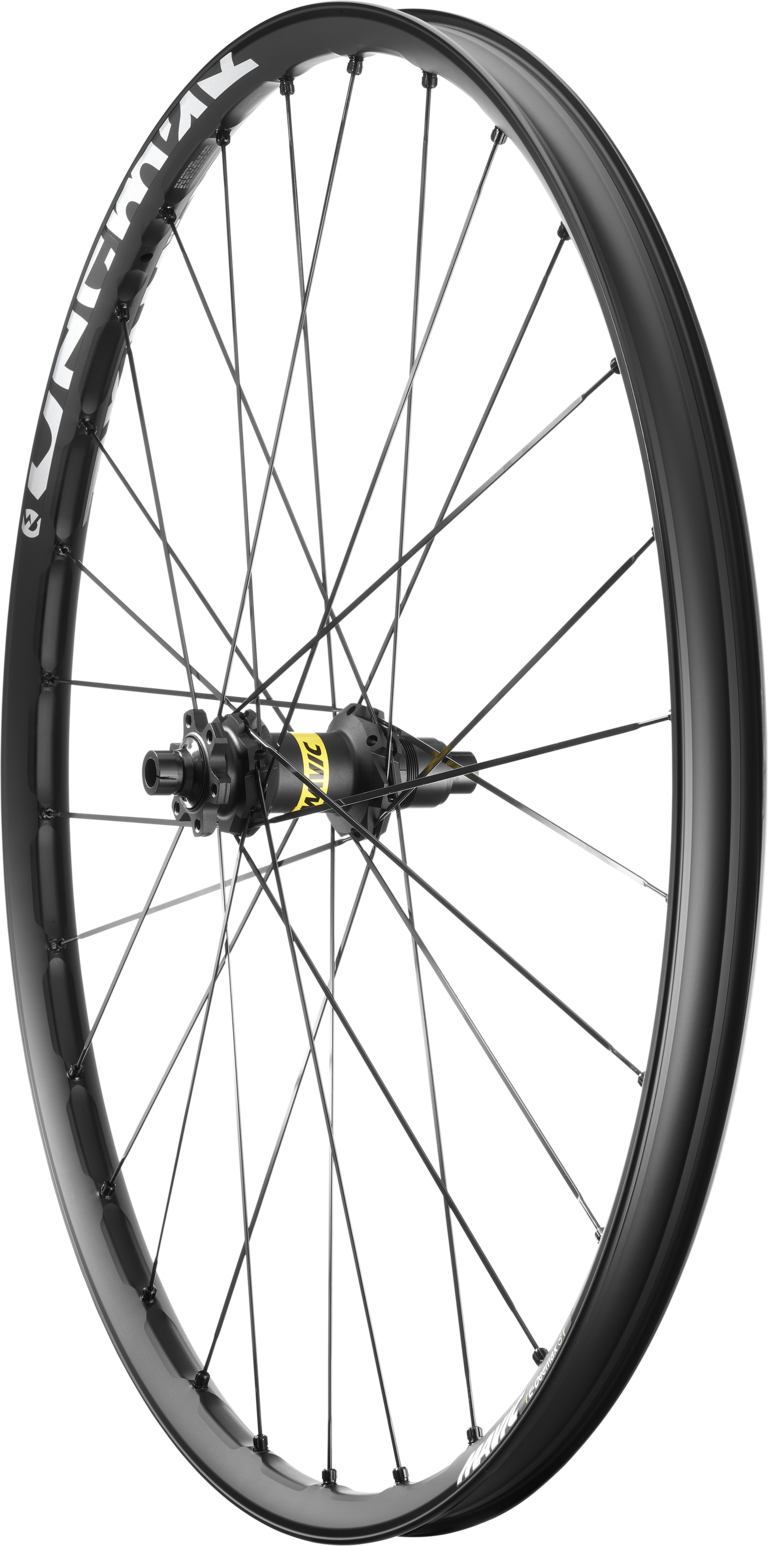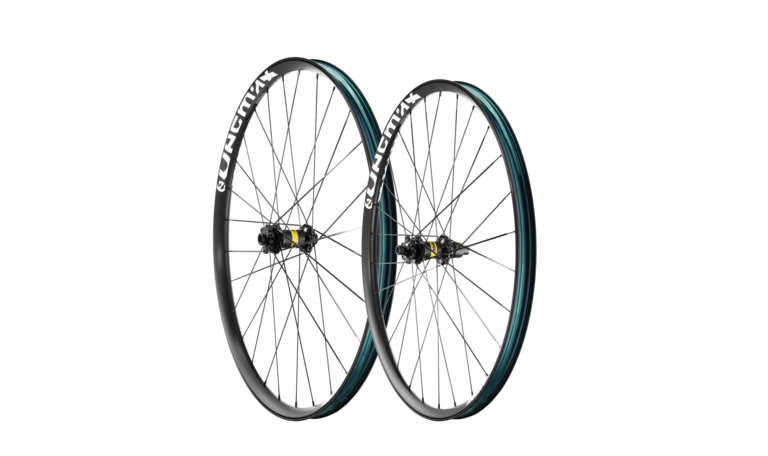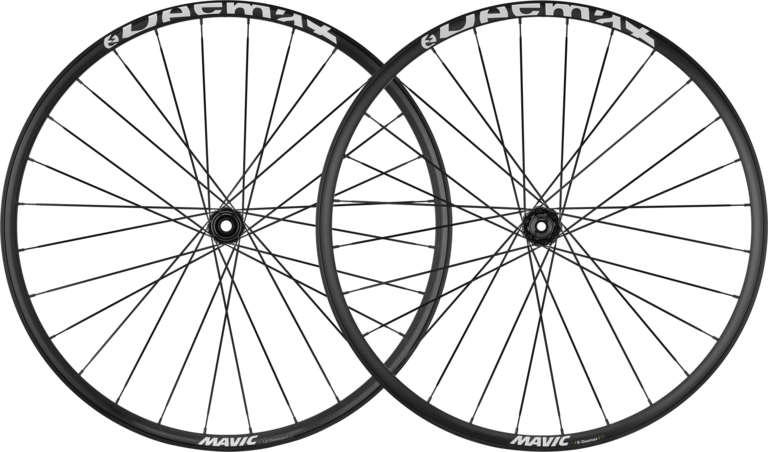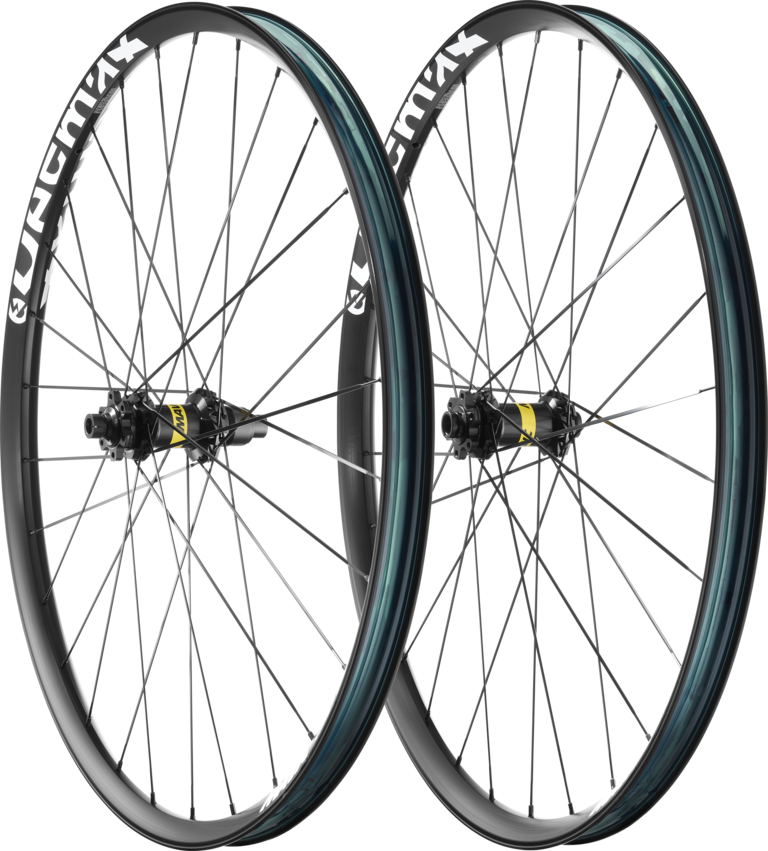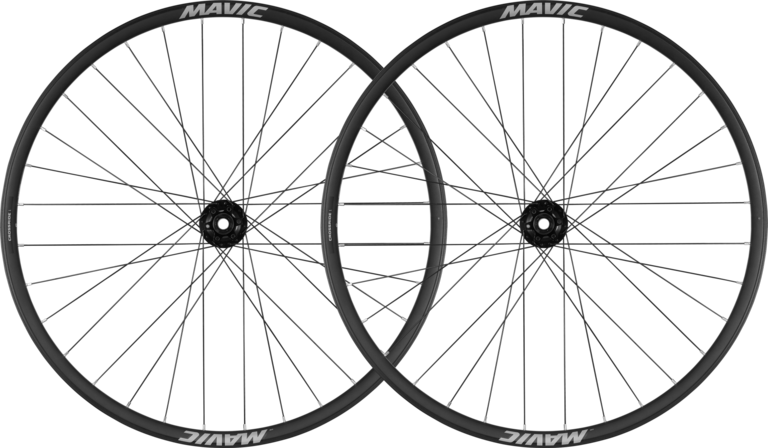
Mavic electric mountain bike wheels: e-Crosstrail and e-Deemax, ready for couples

Mavic electric mountain bike wheels: stiffness, reliability and control under motor torque

When assistance increases torque, the wheel must hold up

On an eMTB, the wheel takes the full brunt: harder accelerations, high speeds, heavier loads and, above all, a motor that increases...


RecommendedSort By

30 mm internal width: better tyre grip, more precise steering

On an eMTB, rim width is a real lever for control. A 30 mm internal rim width stabilises the tyres better, provides more support under load and delivers sharper steering on rough terrain. The result: you can ride with confidence, without the tyre carcass deforming excessively in corners.

e-Crosstrail Carbon: reducing inertia, maintaining precision

For those who want a lively and precise eMTB, the e-Crosstrail Carbon focuses on three key areas:

  • Lightweight and durable carbon rim: reduced inertia, a more responsive feel during accelerations and changes of pace.
  • Vertical compliance: better terrain feedback and more control when the going gets rough, without losing grip under load.
  • Infinity hub (28 spokes): high lateral stiffness to stay on track, especially when you’re applying power.
  • 30 mm internal width: stiffness and precision in corners, better tyre grip.

Drivetrain and reliability are based on ID360, Infinity hub and QRM Auto bearings.

e-Deemax S: absorb, protect, get going again

The e-Deemax S is designed for demanding use: impacts, stones, hard landings, and often a heavy bike. It features some very practical ‘workshop’ choices:

  • PFP (Pinch Flat Protection): reduces the risk of pinch flats when riding hard on rough terrain.
  • FORE: fewer holes = stronger rim profile; off-road advantage: external spoke access depending on build, handy for repairs.
  • Reinforced hub rated up to 180 kg (total weight): designed for e-bikes + gear, without compromising on reliability.
  • Maxtal + welded rim + ISM4D: strength where it counts, optimised weight where it matters.
  • Black Shield: extra protection against impacts and scratches.
  • Infinity / ID360 + QRM Auto: durable bearings for long-lasting performance.

Consider a mullet setup

And for riders who like to combine stability and agility: a mullet setup is possible depending on your bike’s configuration.

Two eMTB visions, one set of specifications

  • e-Crosstrail Carbon: dynamic, precise eMTB, offering performance and control.
  • e-Deemax S: a no-nonsense eMTB, prioritising sturdiness and reliability, protection and peace of mind on rough terrain.

An e-MTB means more torque, higher top speed… and often a heavier load (bike + gear + rider). The result: the wheels work harder, especially the rear wheel. In the workshop, the same questions always come up: what rim width to use for a modern tyre, what tubeless pressure for grip without damage, 29/27.5/mullet, and what to take with you for repairs out in the field. The advice below is designed for one thing only: to ensure your bike remains precise and reliable… and that you finish your ride even when the going gets tough.

FAQ

E-MTB wheels are reinforced to withstand the additional stress caused by the increased weight and power of electric mountain bikes.They often feature wider rims to accommodate larger tires, providing better traction and enhanced stability. In addition, their spokes are generally stronger, and the hubs are engineered to handle the higher torque and power output of e-MTB systems.

Rim width directly influences the shape and profile of the tire. A wider rim allows the tire to spread out more, increasing the contact patch with the ground, which improves traction — especially useful for assisted climbs on an e-MTB. However, it is crucial to balance rim width with tire size to avoid tire deformation or pinching.

Because of the additional stress they endure, e-MTB wheels can wear out more quickly. It’s essential to regularly inspect the rims for signs of wear, check the integrity of the spokes, and ensure the hubs are functioning properly.Routine maintenance — such as properly tensioning the spokes and verifying wheel alignment — will significantly extend their lifespan.

Workshop method: start with a safe setting, then adjust in increments of 0.1–0.15 bar.
You are looking for: grip + comfort without blurring when leaning, without heel strike, without rim marks. On e-MTBs, the rear often requires a little more pressure than the front. And above all: respect the maximum/minimum pressures recommended for the tyre and wheel (always apply the stricter limit).

The rear wheel takes more load and more torque: impacts + pinching + stress when accelerating.
To limit this:

  • slightly higher rear pressure,
  • suitable tyre carcass (reinforced),
  • avoid riding with too low pressure on rocky terrain,

insert if you ride hard.

Useful if: rocky terrain, aggressive riding, heavy pressure, or if you want to ride with lower pressure without damaging the rim. The insert protects the rim, reduces pinching and stabilises the tyre under pressure. Disadvantages: longer installation time, slightly heavier, sometimes feels more "cushioned". For demanding e-MTB riding, it is often a good investment.

29: stability, clearance, speed – very effective on e-MTBs.
27.5: more playful, easier to position, sometimes better in very tight spaces.
Mullet (29 front / 27.5 rear): stable front + more agile rear and more margin on steep slopes. Workshop: be careful to maintain consistent tyre/pressure settings, as the rear "suffers" more.

As soon as you notice: less precise engagement, unusual noise, a "scratching" sensation, or after a season of heavy mud/rain. E-MTBs place more strain on the freewheel (torque). Preventive maintenance (gentle cleaning + appropriate lubrication) prevents accelerated wear and tear and surprises.

Symptoms: noise, rough rotation, lateral play when shaking the wheel.
Mistake #1: high-pressure washing (this pushes water/dirt into the seals).

Prefer gentle rinsing, drying, and regular checks if you ride in wet/dusty conditions.

On an e-MTB, a bearing that is developing play is quickly noticeable when leaning into corners.

Check three things:

  • Tyre section consistent with internal width,
  • Tyre compatible with tubeless,
  • Maximum pressure respected.

A tyre that is too wide on a rim that is too narrow = blurred support;

too narrow on a wide rim = "flat" tyre profile, less progressive.

And if you change models, retest the pressure: each carcass reacts differently.


  • Tubeless plugs + tool,
  • pump (or cartridge),
  • inner tube (yes),
  • sturdy tyre levers,
  • multi-tool, chain tool + quick link, small piece of tape or cable ties.


E-MTB bonus: a derailleur hanger (if your bike uses one) and a small cloth