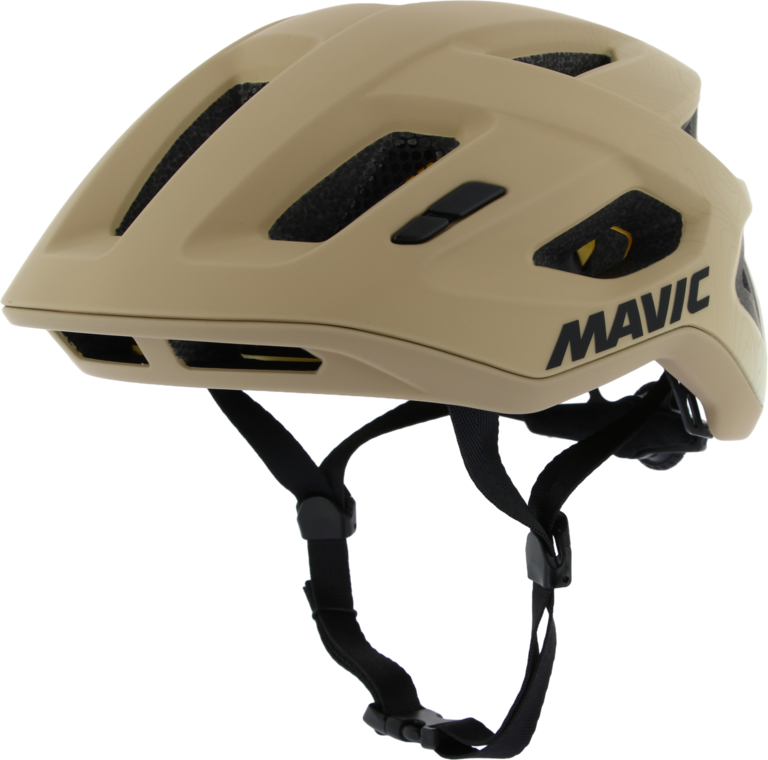
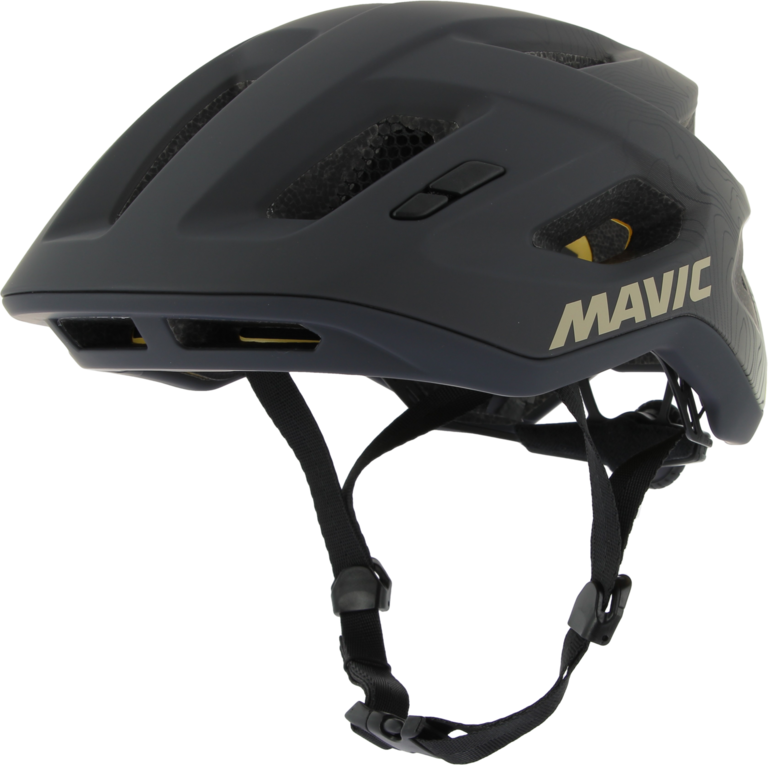
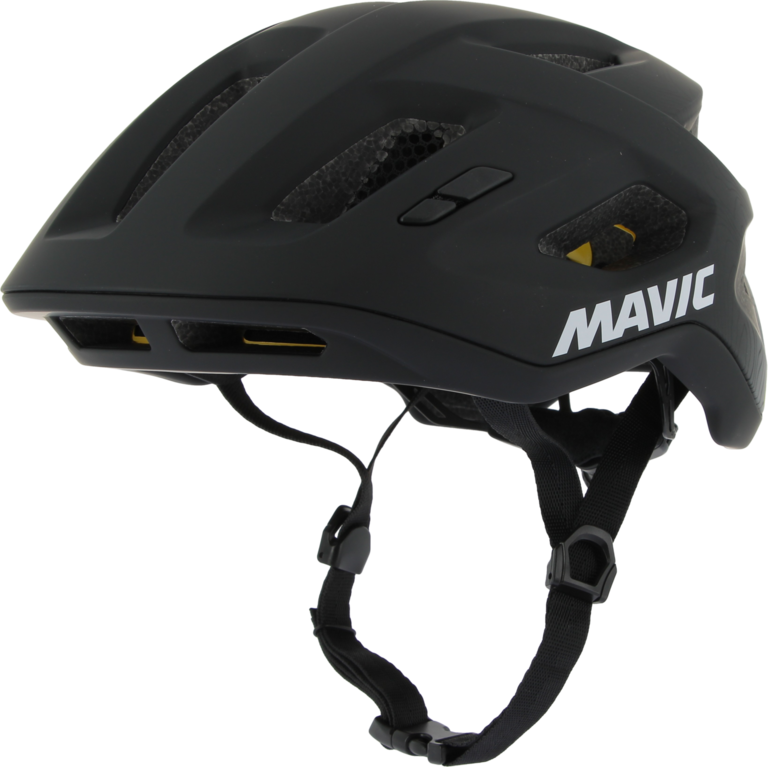
Mountain bike helmets

Mavic MTB Helmets: optimal protection, total comfort, from XC to enduro

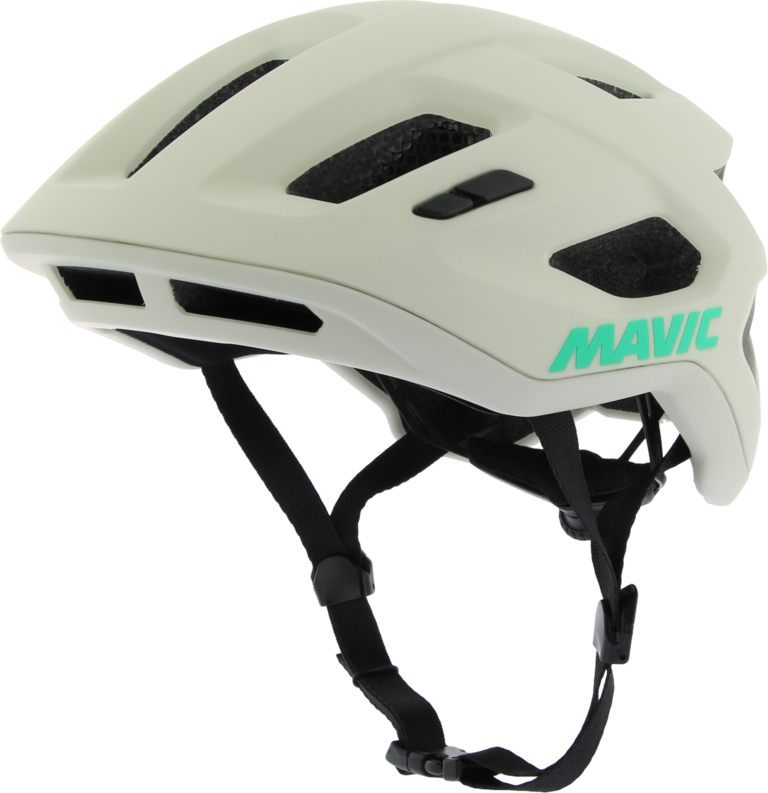
A MTB helmet must meet specific criteria: coverage of sensitive areas, stability on the head, ventilation during climbs and comfort during long rides.
The Mavic...


RecommendedSort By

Extended coverage: enhanced protection for the temples and the back of the head

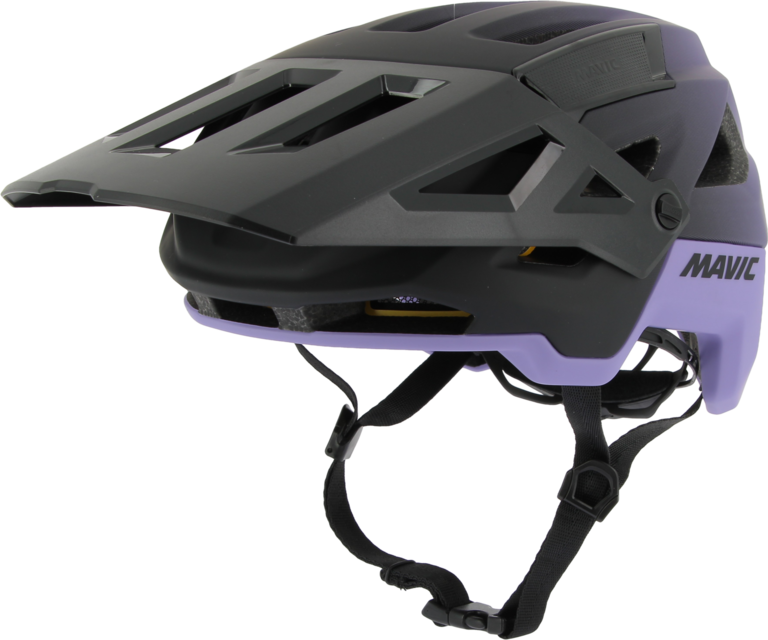
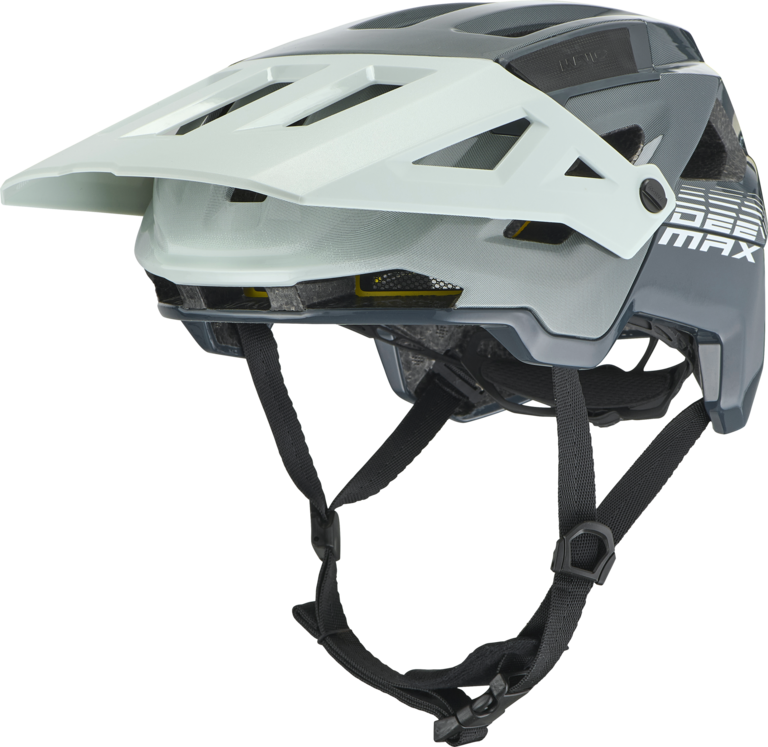
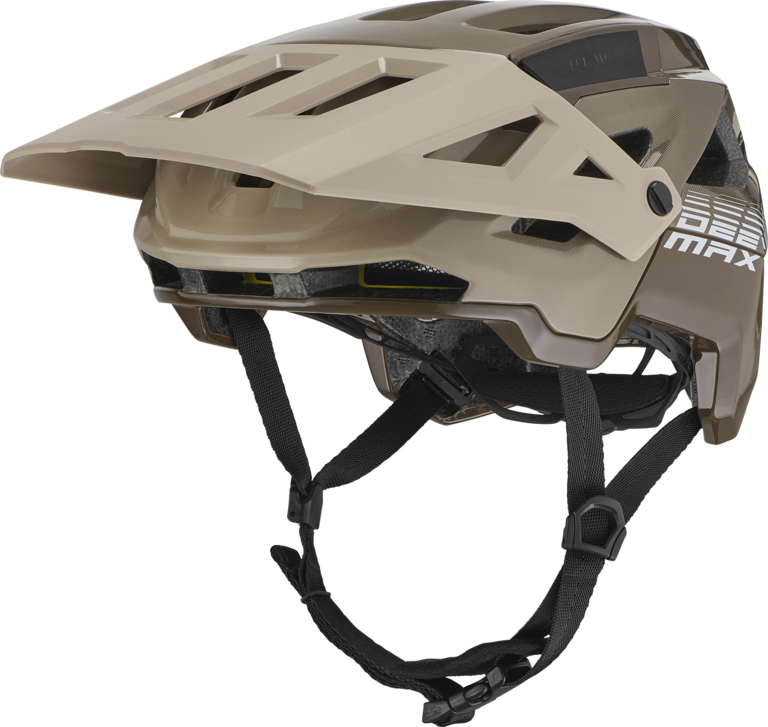
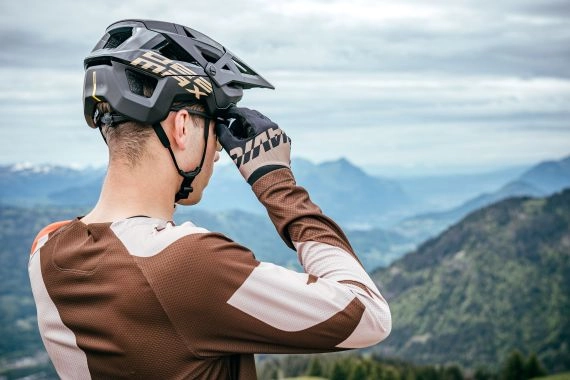
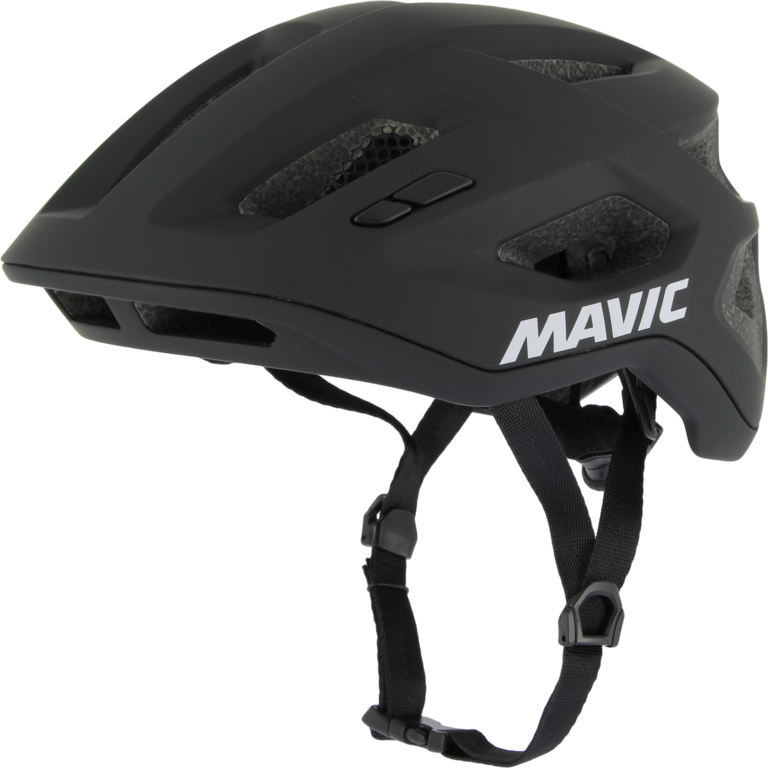
A MTB helmet needs to provide broader protection than a road helmet, particularly around the temples and at the back of the head. On a trail/enduro-oriented model like the Deemax Pro MIPS, coverage is advertised as extended across these areas, for more comprehensive protection on challenging trails.

MIPS rotational protection: reducing forces during certain oblique impacts

Mountain bike crashes aren’t always head-on. During an oblique impact, rotational forces can be significant.
This is where the MIPS solution comes in: it allows for slight internal movement to help reduce the rotational force transmitted to the head in certain situations.
Depending on the model, you’ll find MIPS (Deemax Pro MIPS) or MIPS Evolve Core (Deemax Trail).

Visor: visual comfort and protection against debris

The visor is not merely a decorative feature. It serves to reduce glare, protect against debris (mud, rain, dust) and can help deflect small twigs. On the Deemax Pro MIPS, the multi-position visor is designed to maintain visibility in ‘roots & rocks’ situations.

Fit system: the helmet mustn’t move

The ideal helmet is the one you forget you’re wearing. In mountain biking, it’s also the one that stays stable when you shake your head or the terrain gets rough.
Mavic uses dedicated retention systems depending on the model:
Ergo Hold SL+ (Deemax Pro MIPS) with multi-position adjustments,
Ergo Hold SL (Crossride SL Elite) for quick one-handed adjustment,
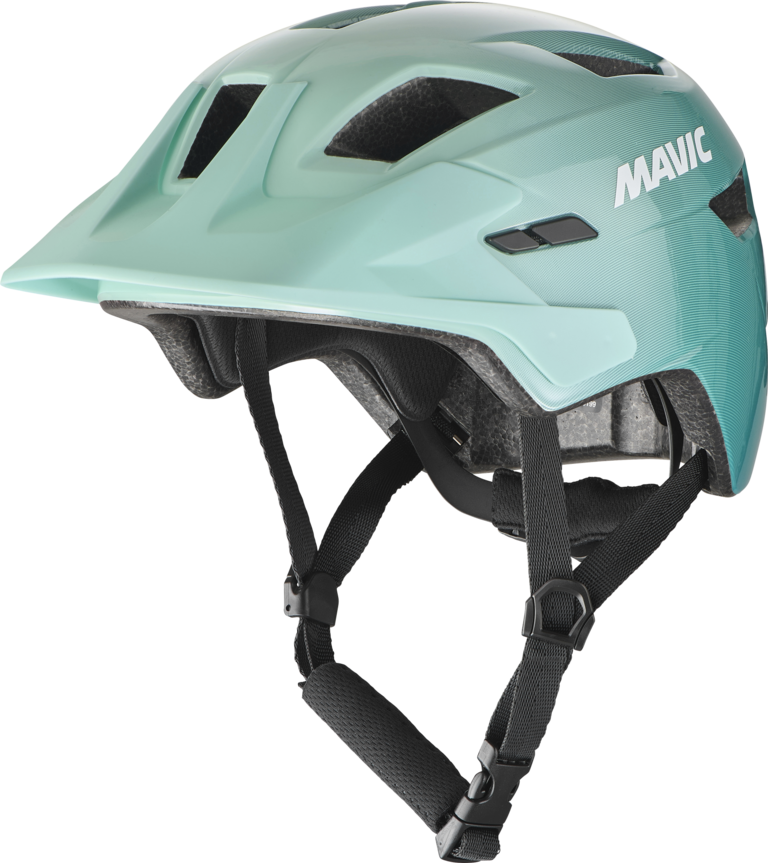
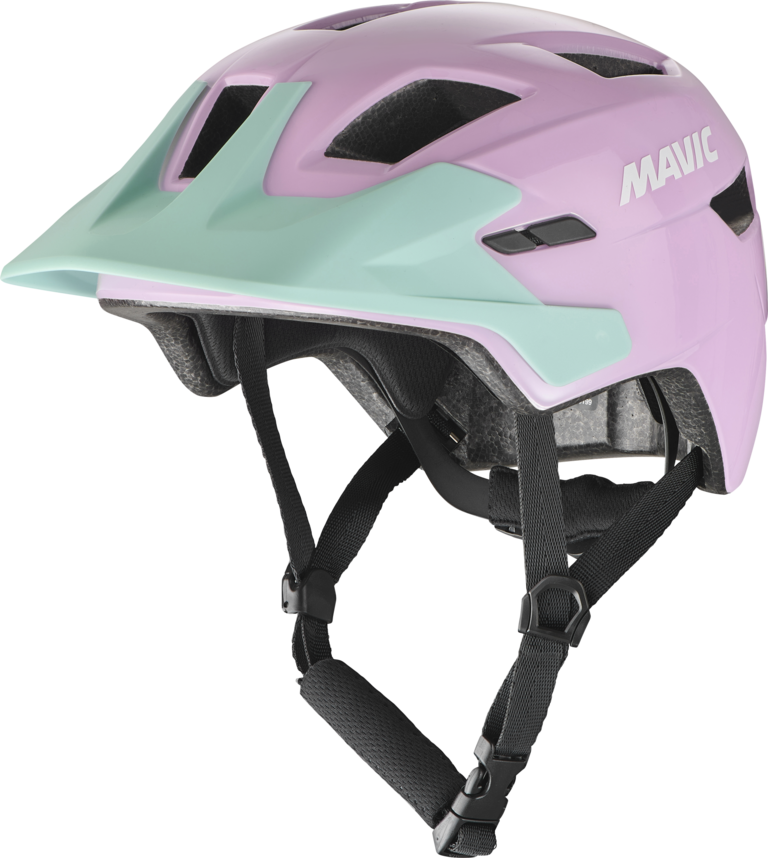
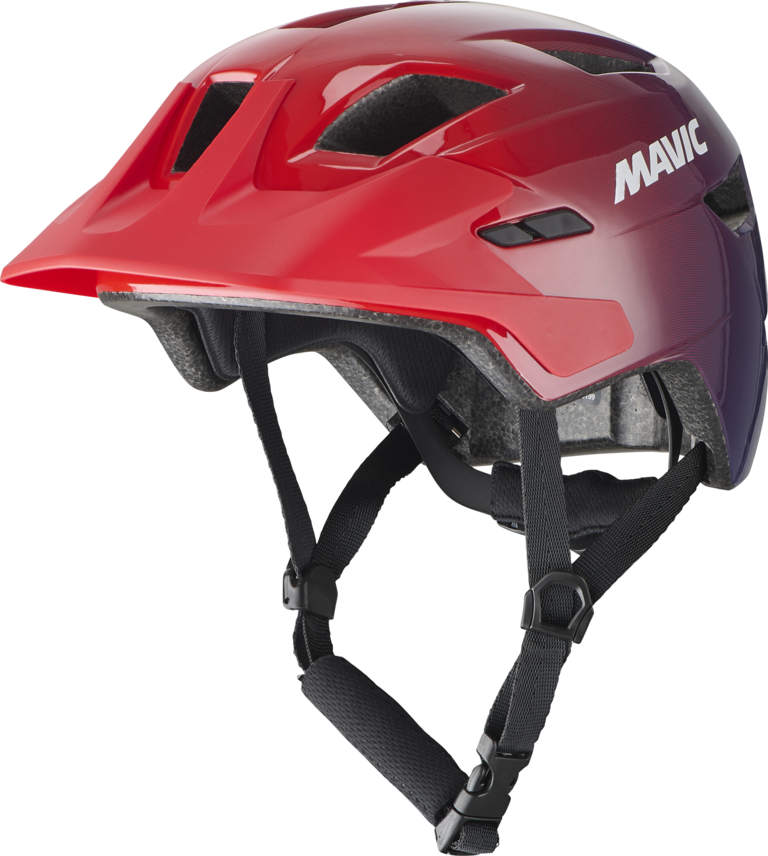
and an ErgoHold retention system on the Junior Explorer.

On the Deemax Trail and Junior Explorer, the Lockstrap straps allow you to lock in your fit so you don’t have to worry about it during your ride.

Internal comfort: managing heat, sweat and vibrations

Comfort comes from contact with the head. On the Deemax Pro MIPS, XRD foam is a memory foam that improves the fit and absorbs vibrations. Coolmax® foams absorb heat and wick away sweat.
On the Crossride SL Elite, 37.5® technology provides active heat and moisture management to keep you comfortable on long rides.

Ventilation: open, channel, evacuate

During a climb, a helmet with poor ventilation quickly becomes a nuisance. Effective ventilation doesn’t just depend on the number of vents: it depends on airflow and the ability to expel hot air.
On the Deemax Pro MIPS, front vents connected to internal channels ensure ventilation during exertion.
On the Deemax Trail, its design ensures good ventilation during trail rides.

Glasses and goggles: seamless integration.

Practical details matter:
Glass Garage on the Deemax Pro MIPS (glasses storage in both directions)
Dual Glass Garage on the Deemax Trail (at the front and rear).

The Deemax Pro MIPS is compatible with a goggle, and some models feature an insect net over the front vents.
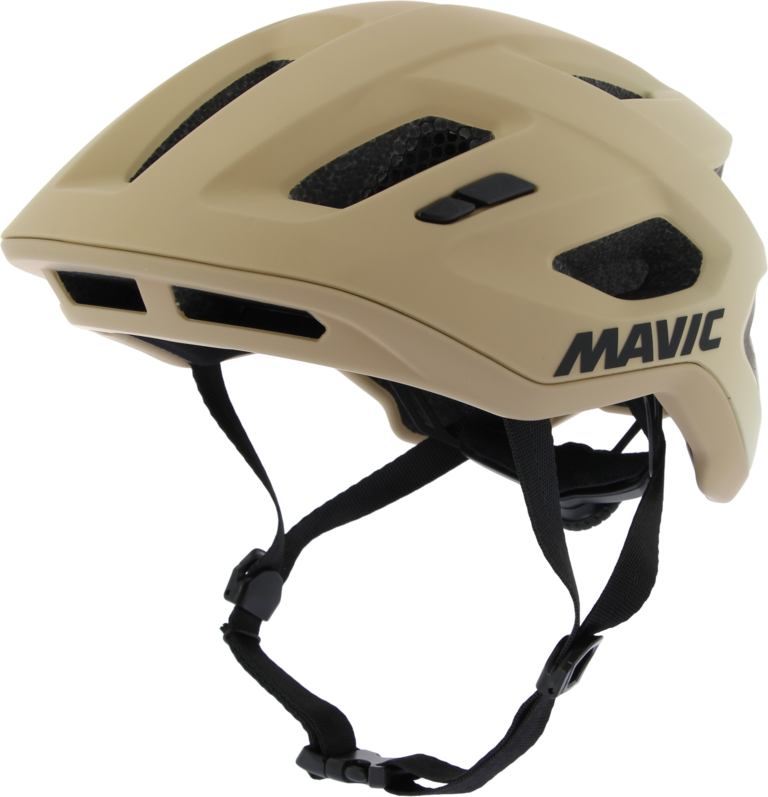
The most frequently asked questions about MTB helmets concern coverage, the presence of a rotational protection system such as MIPS, fit adjustment, the usefulness of a visor, compatibility with glasses/goggles, and lifespan after an impact. Here are our clear and practical answers from our experts.
FAQ

In Europe, the most common standard is CE EN 1078, and in the United States, it is the CPSC standard. These standards set out basic testing requirements and specifications (impact absorption, fit, field of vision, labelling). A helmet must comply with these standards and be in good condition.

To choose the right size of MTB helmet, measure the circumference of your head using a tape measure. Then, refer to the size guide to determine the most suitable size. Make sure the helmet sits comfortably on your head without being too tight or too loose. It should fit snugly and not move when you shake your head. If you are between two sizes, opt for the larger size and use the available adjustment systems for a precise fit. Don’t forget to check that the helmet covers your forehead and the back of your head properly for optimal protection.

When mountain biking, impacts and flying debris are more common, and the head moves around more. A mountain bike helmet generally offers greater coverage over the temples and the back of the head, often features a visor, and has ventilation designed for both climbing and descending.

MIPS is a solution designed to help reduce the rotational force transmitted to the head during certain oblique impacts. It is not a ‘guarantee’, but an additional layer of protection that can be useful when mountain biking.

XC: lightweight and well-ventilated for prolonged exertion. Trail: a balance of protection and ventilation for climbing and descending. Enduro: a more snug fit and firmer hold for aggressive downhill riding.

It reduces glare, protects against splashes (mud, rain) and can help deflect small branches. An adjustable visor is useful for adapting your field of vision to the gradient.

Start by turning the dial to ensure a snug fit, then adjust the side straps to form a ‘Y’ shape under the ear. The chin strap must be tight enough to prevent the helmet from tipping.

Use only lukewarm water and mild soap, then leave to air dry. Avoid solvents and direct heat. If the foam pads are removable, wash them regularly for hygiene reasons.

After any serious impact, even if the exterior appears undamaged: the EPS may have been compressed and no longer function properly. Even without an impact, replace the helmet if the straps, padding or fit are badly worn, or if the helmet has been through numerous cycles (heat/UV exposure) and no longer fits properly.