€1,399.00
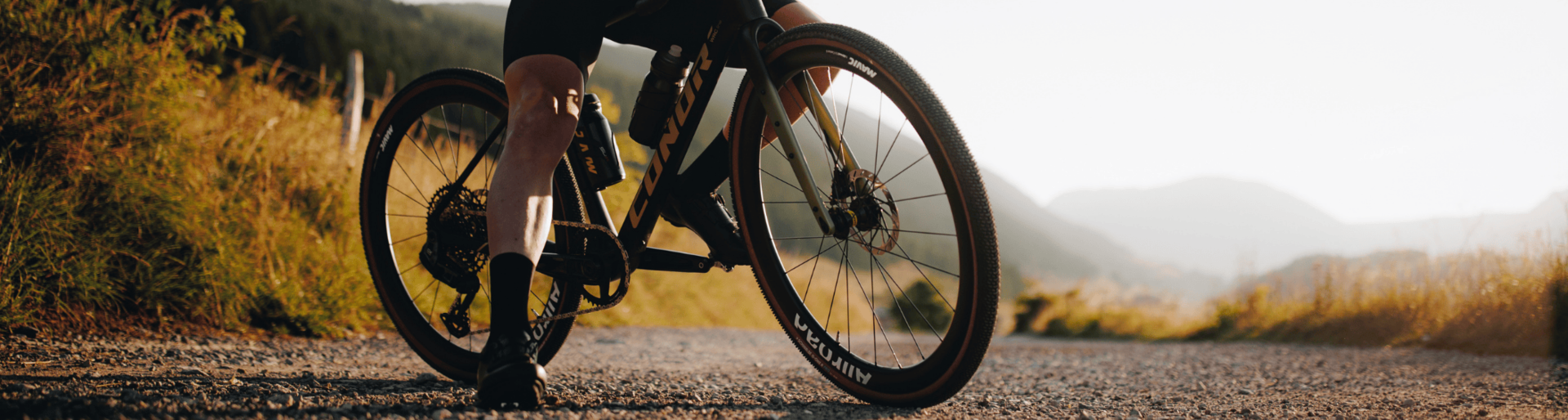
Gravel riding often starts with a simple desire: to hit the road, turn off onto a track, extend the route “just to see”, and return with dust on the frame.
To ensure this freedom remains a pleasure, the wheel is key: it must be stable, reliable, and offer control when the terrain becomes uneven.
The engineers emphasise this: a good gravel wheel is, first and foremost, the right balance between width, strength and versatility, with a tubeless design intended for riding at lower pressures. Mavic knows this and has mastered the art of making them.
In gravel riding, the internal rim width influences the shape of the tyre and its stability. A wider rim ‘supports’ a modern gravel tyre better: the tyre is more stable, the casing holds its shape better under load, and you can aim for a pressure better suited to the terrain.
Gravel bikes often feature internal widths of around 19 to 25 mm, and a wider rim is better suited to wider tyres.
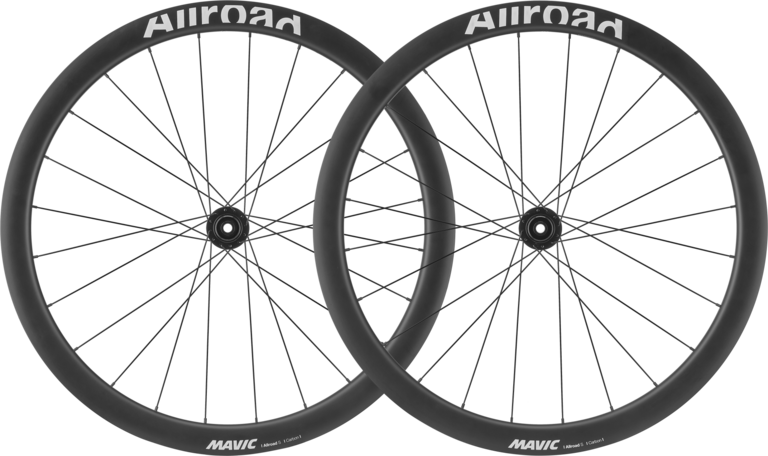
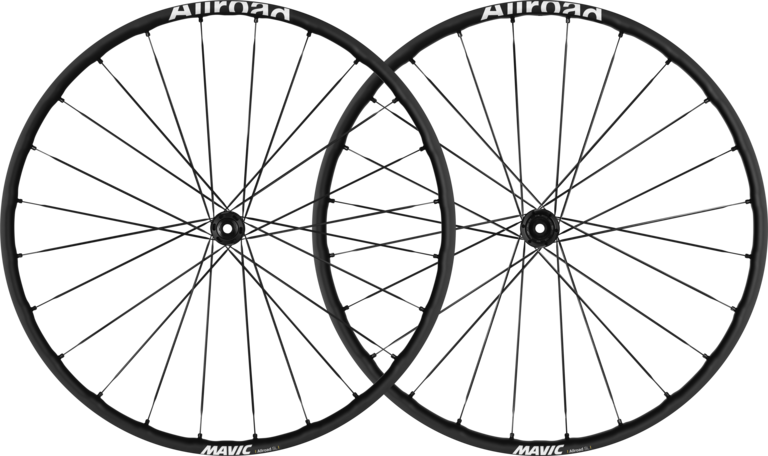
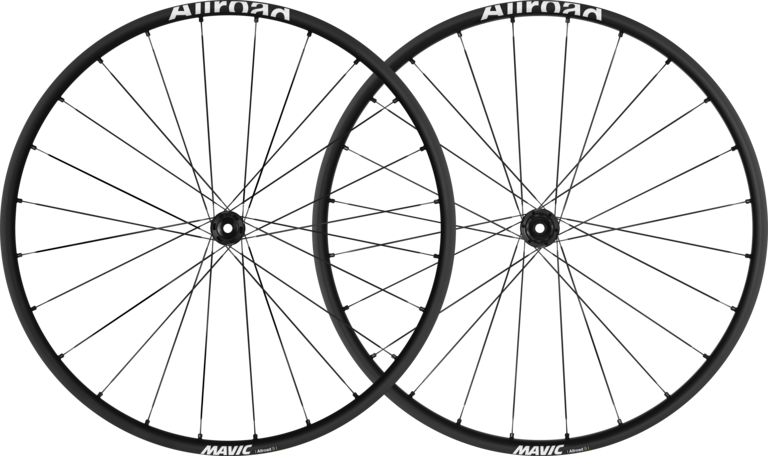
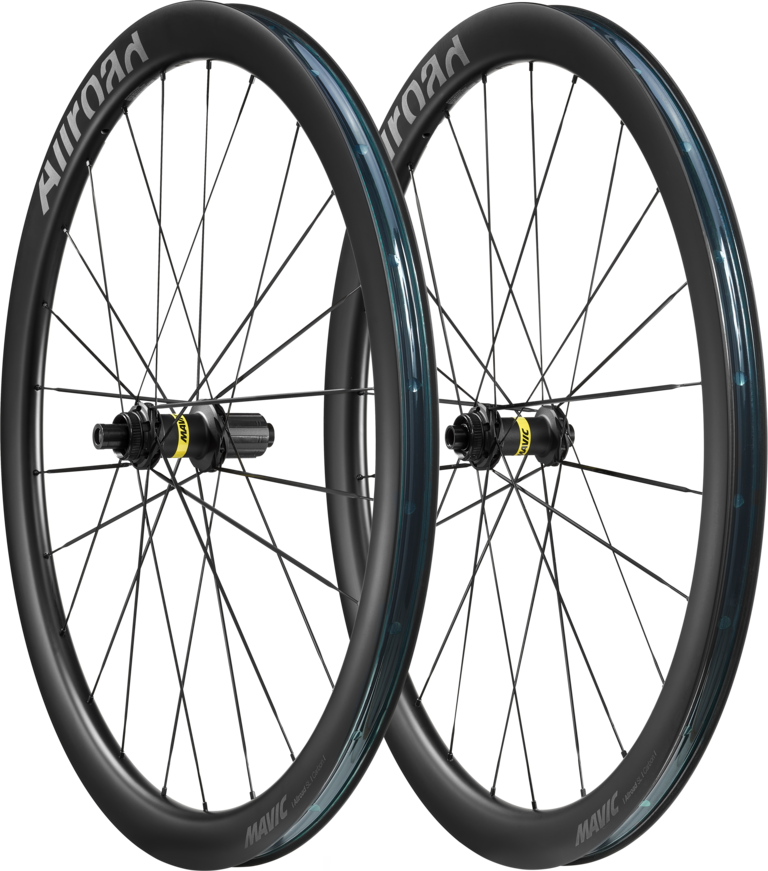
On our Allroad carbon models with a 25 mm internal width, the aim is clear: to accommodate wider tyres (typically 36–50 mm depending on market models) and offer safer handling when the trail becomes uneven.
More control on rocky terrain, greater comfort over long rides, and a more reassuring wheel when you’re loading up your bike for a long journey.
In gravel riding, tubeless has become the de facto standard, as it allows for lower pressure and better control, provided you have a well-designed rim/tyre interface (precise bead seat, reliable sealing, resistance to ‘burping’).
Allroad wheels are designed for UST tubeless, so you can go the distance with a consistent setup.
A gravel wheel must remain smooth and reliable in dust, water, washouts and on long rides.
The Instant Drive 360 (ID360) system, with its dual pawl mechanism, is designed for quick engagement and direct power transfer. Ultra-efficient when accelerating out of corners or up a gravel slope.
In gravel riding, the wheel is your “life insurance”: it must stay on track when the going gets rough, remain efficient on the road, and fade into the background when you’re out on a long ride.
The real questions always come back to our workshop: 650b or 700c, inner width (23 vs 25 mm), tubeless and pressure, rim profile (42 mm), hubs/bearings, and above all, what to check before setting off.
Here are our technicians’ tips for riding with greater peace of mind and at greater speed.