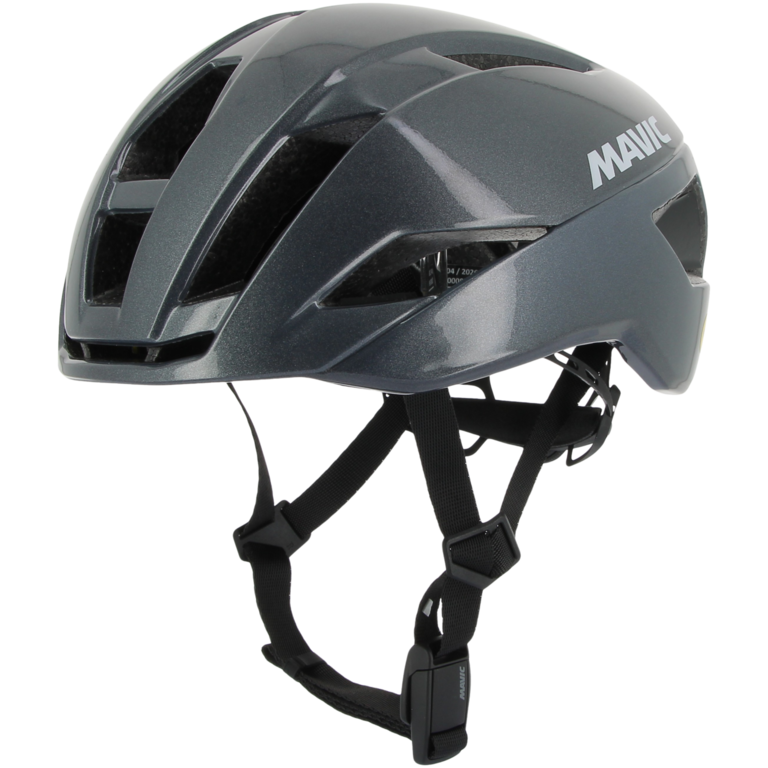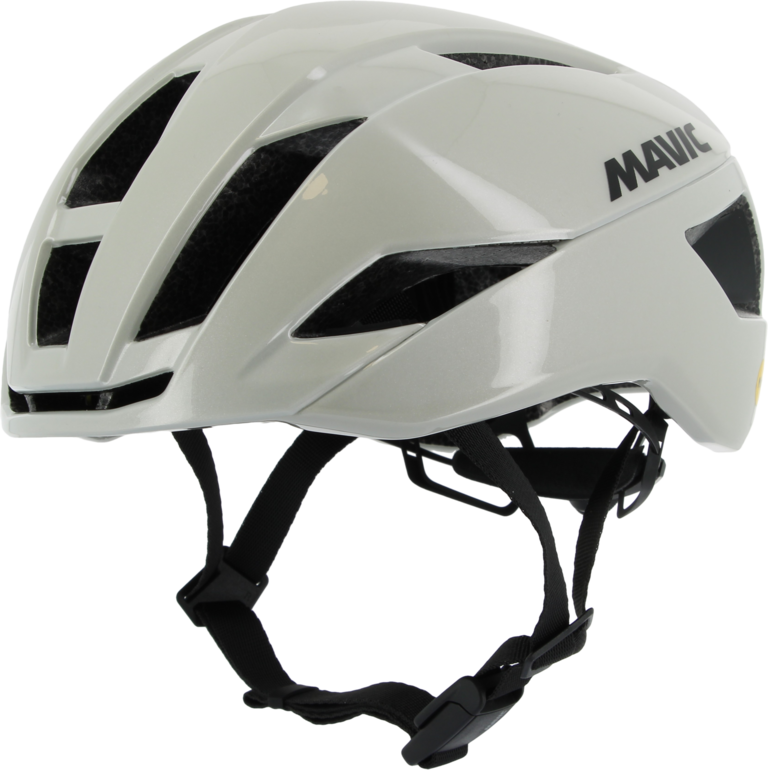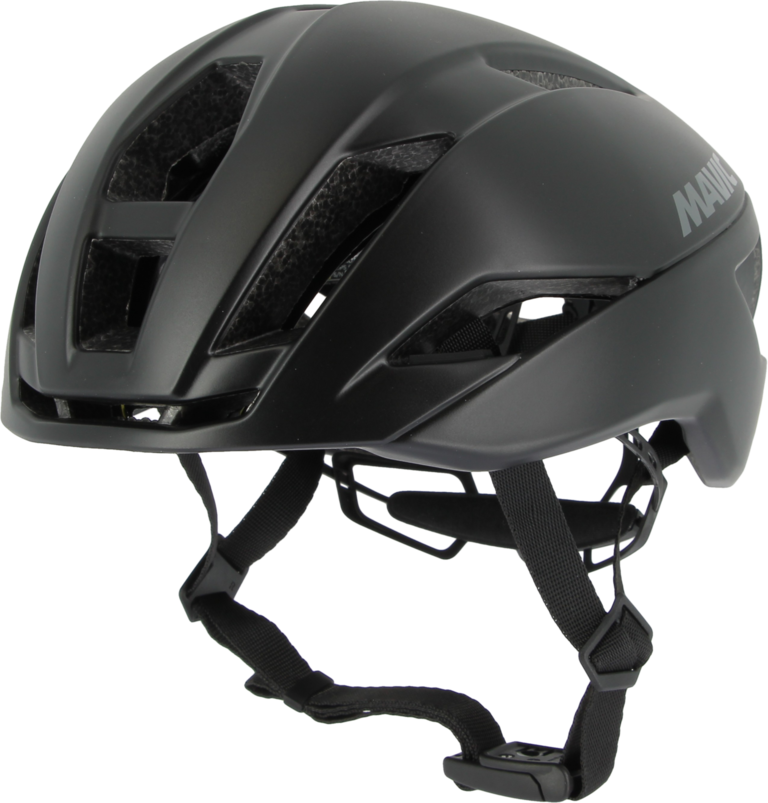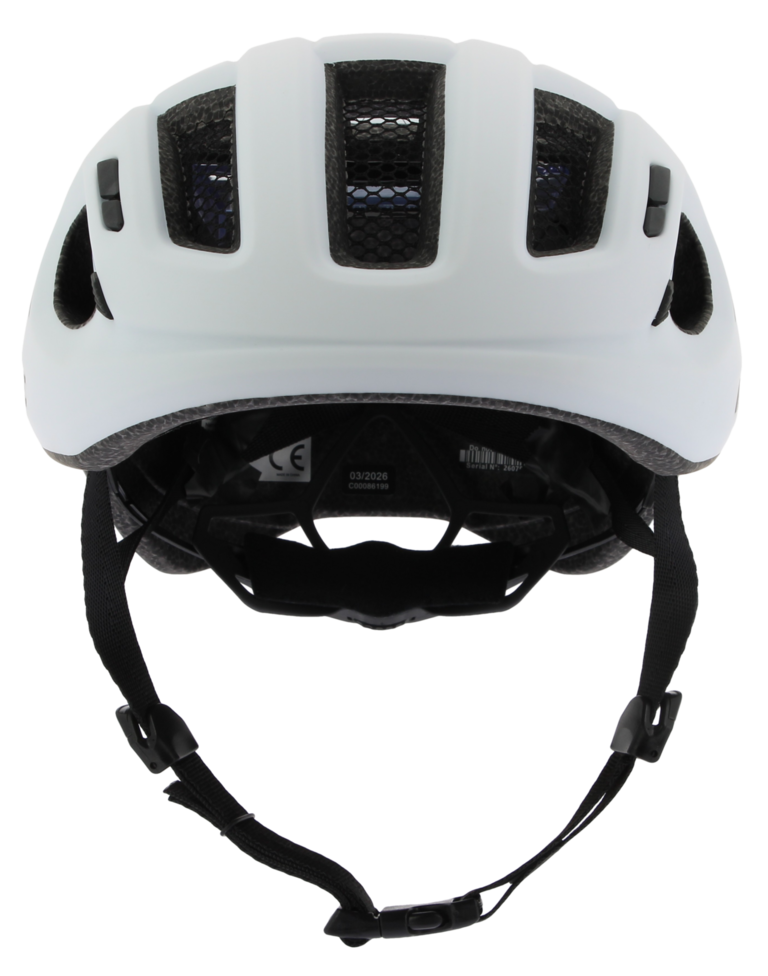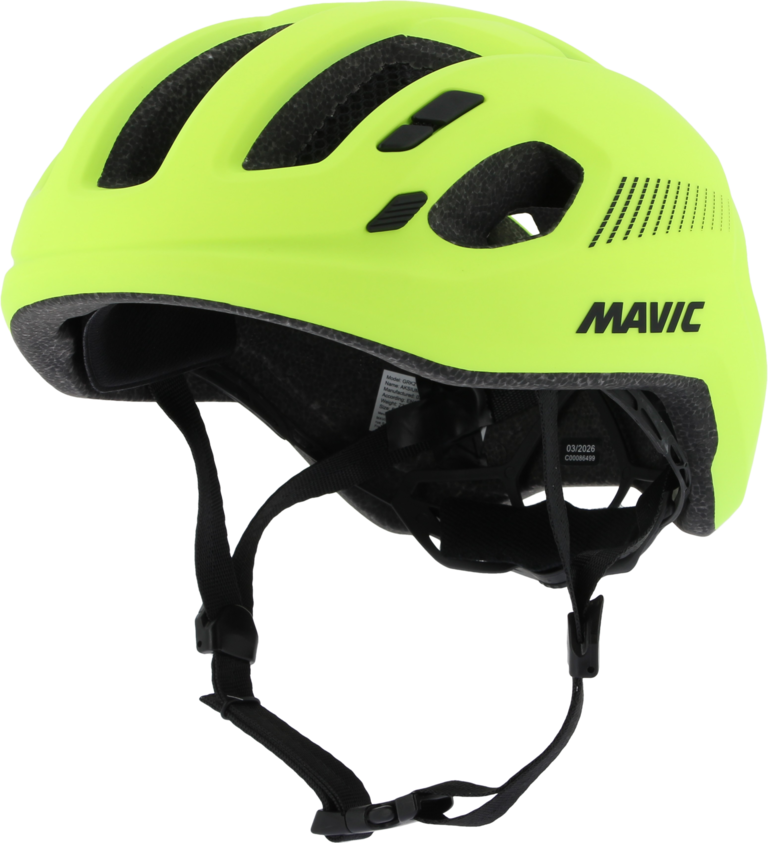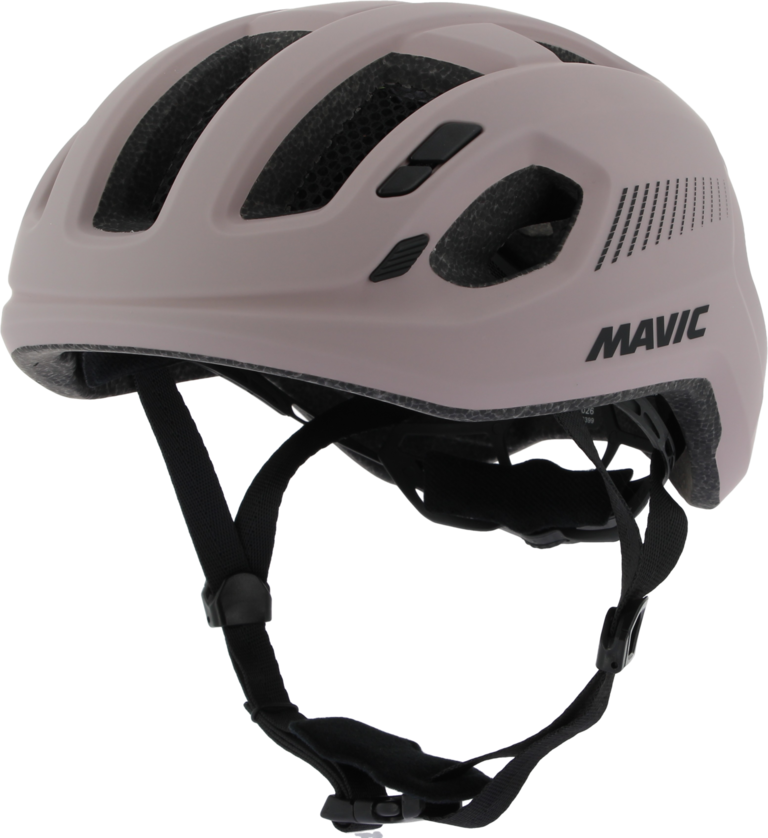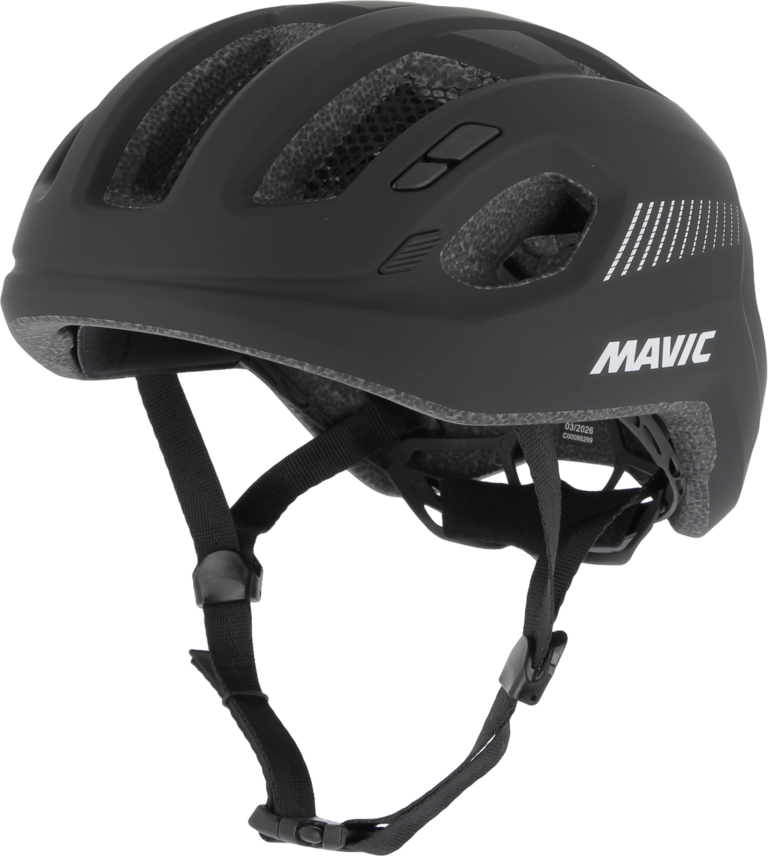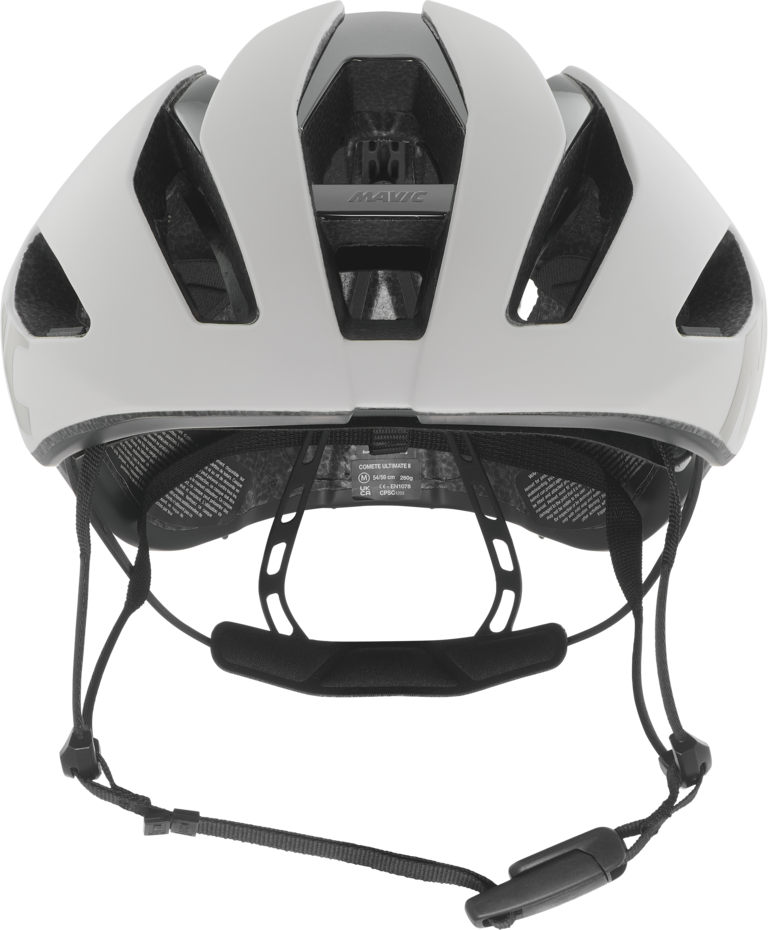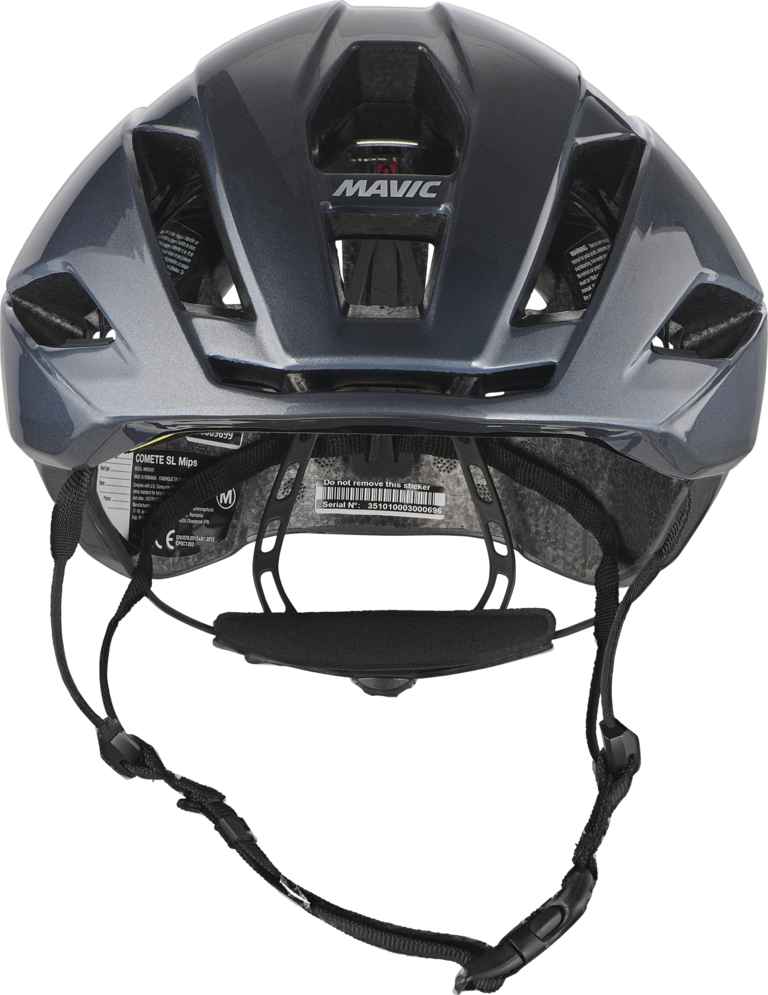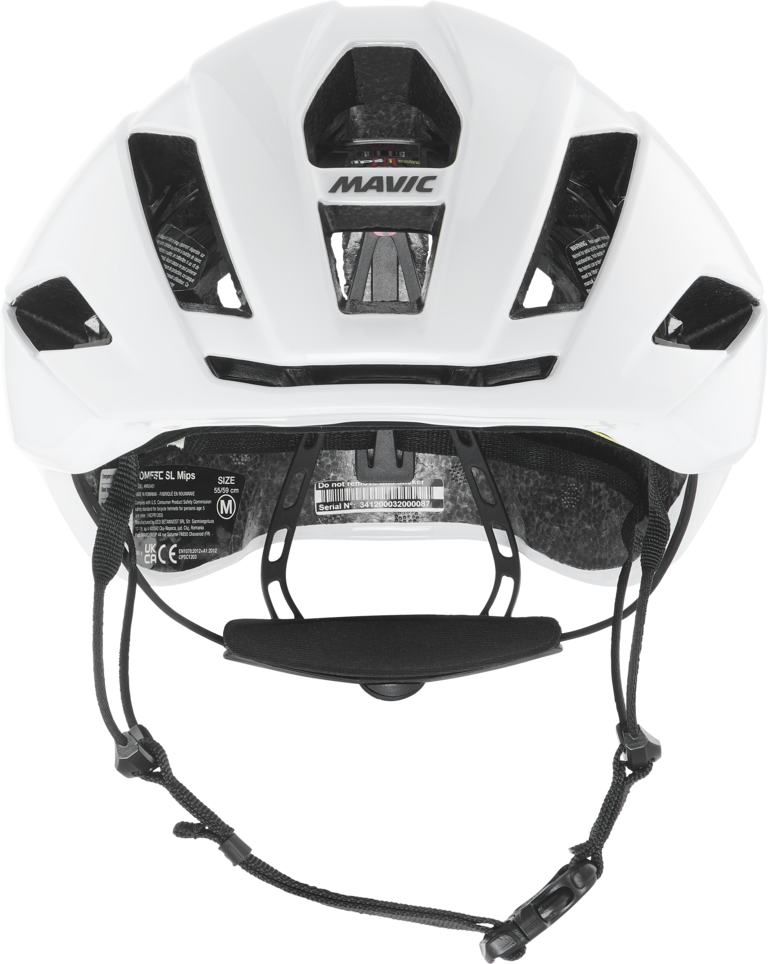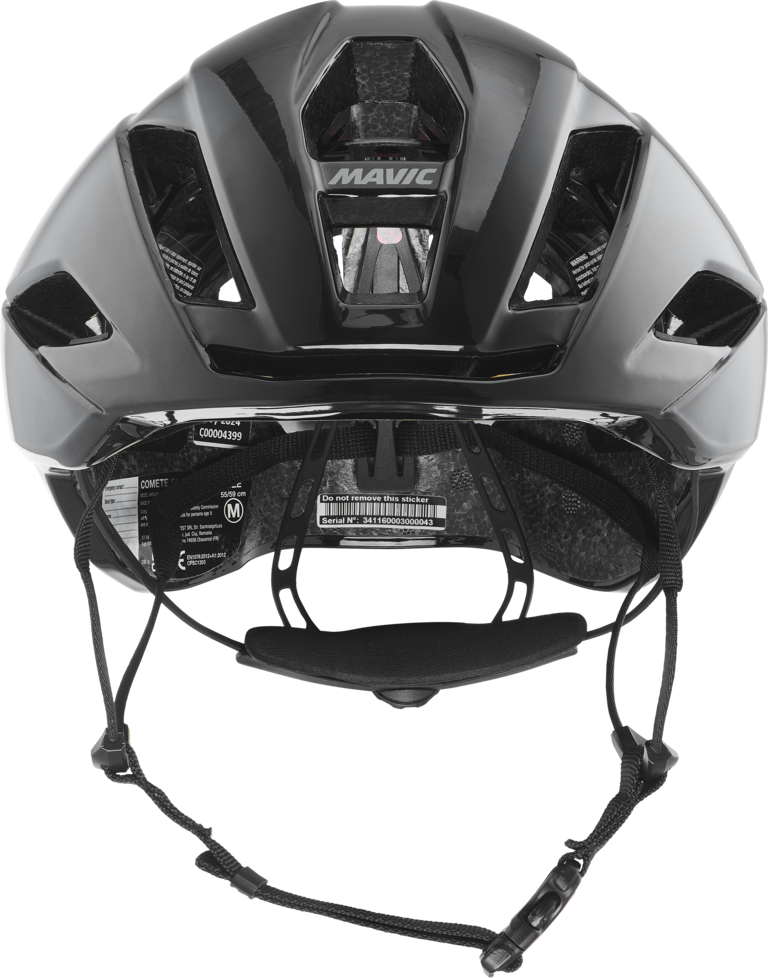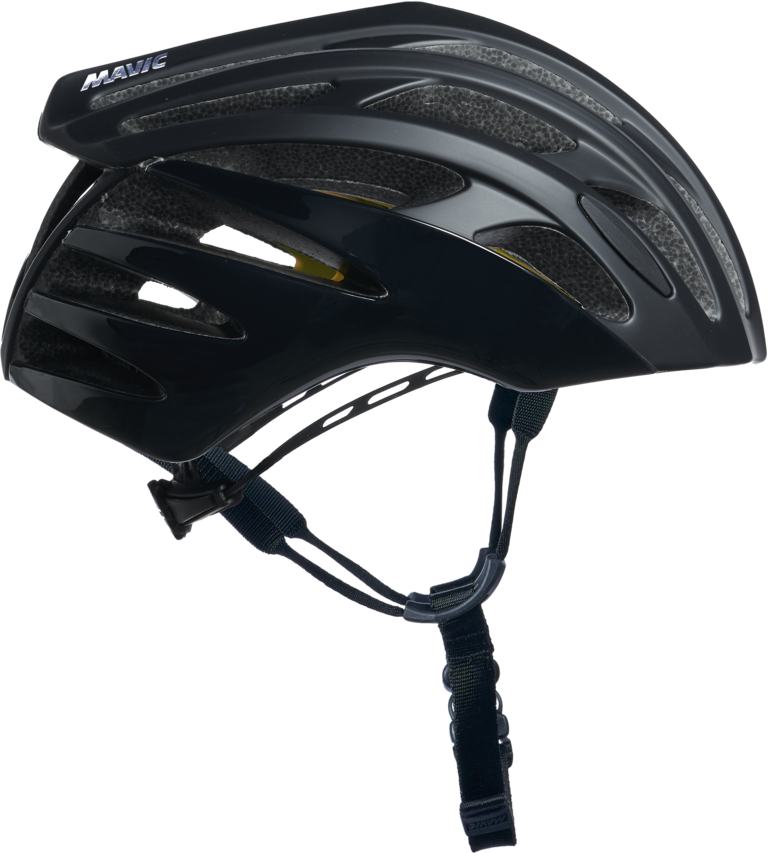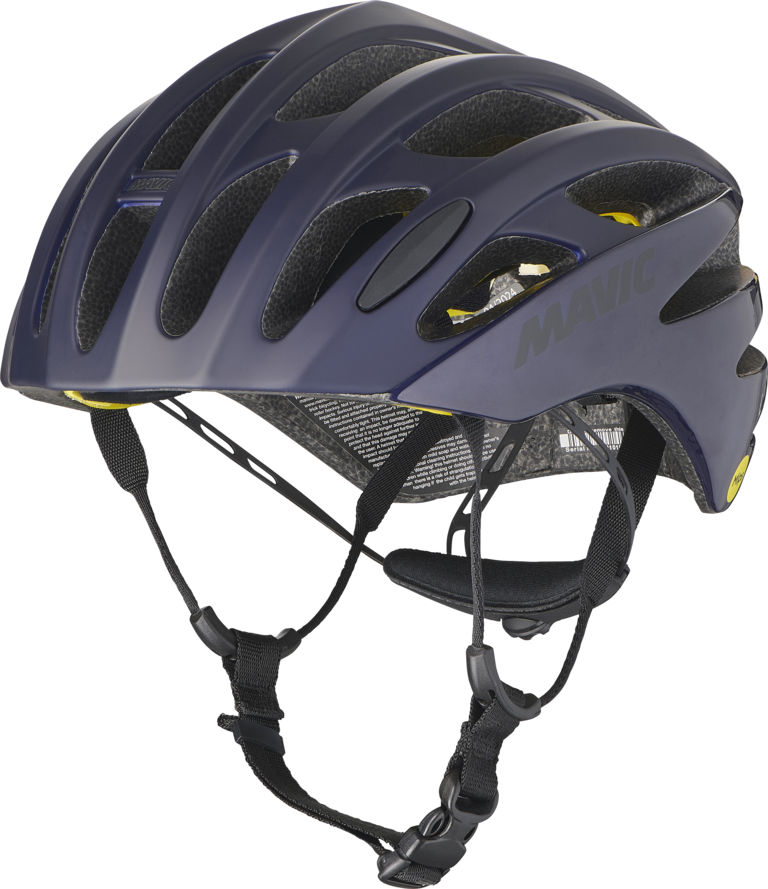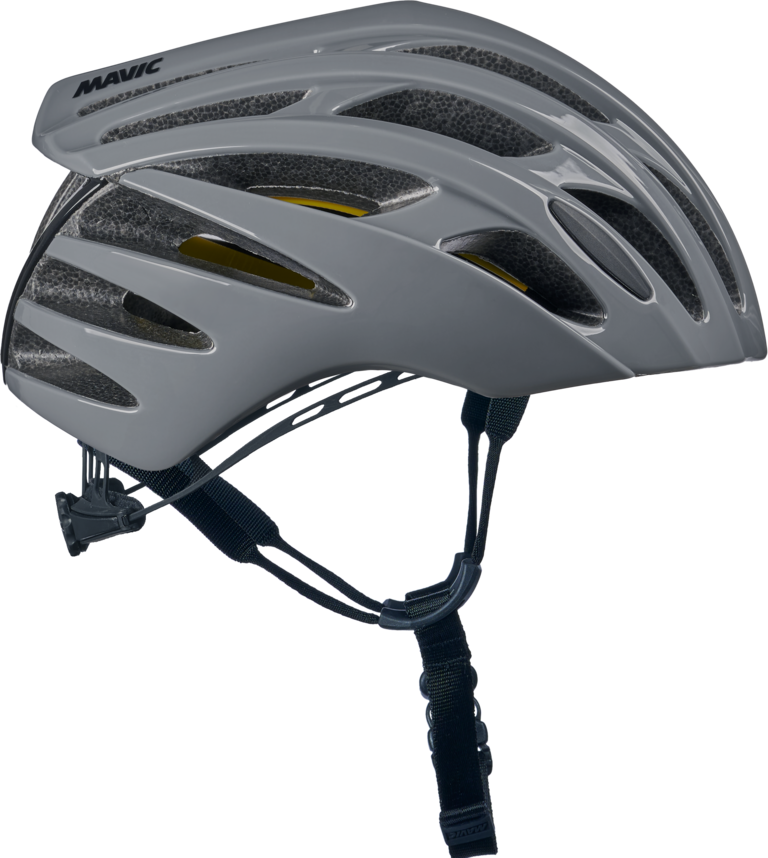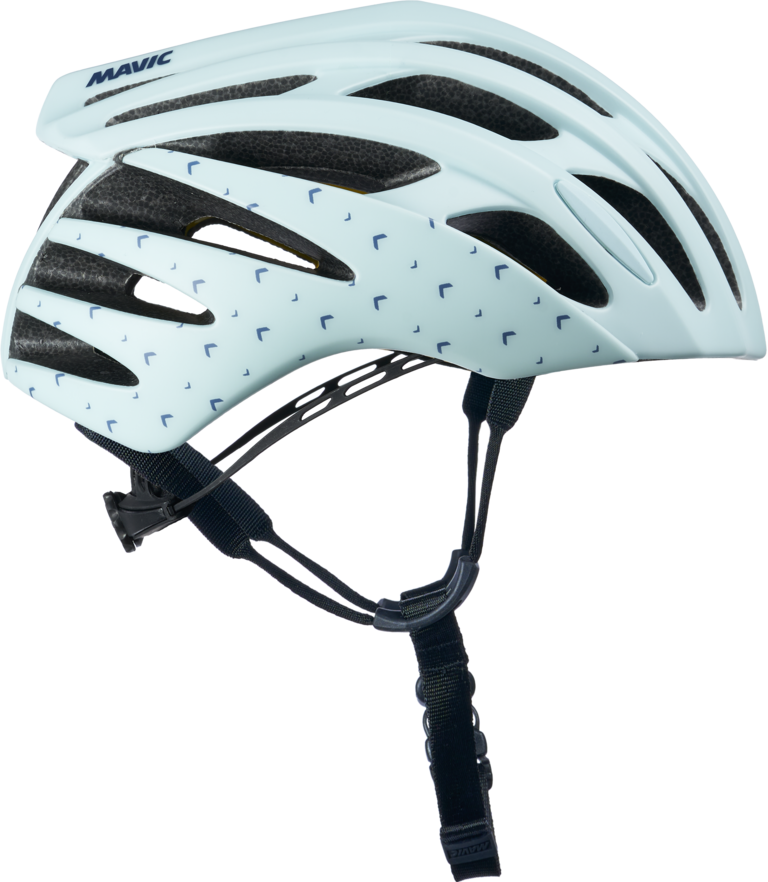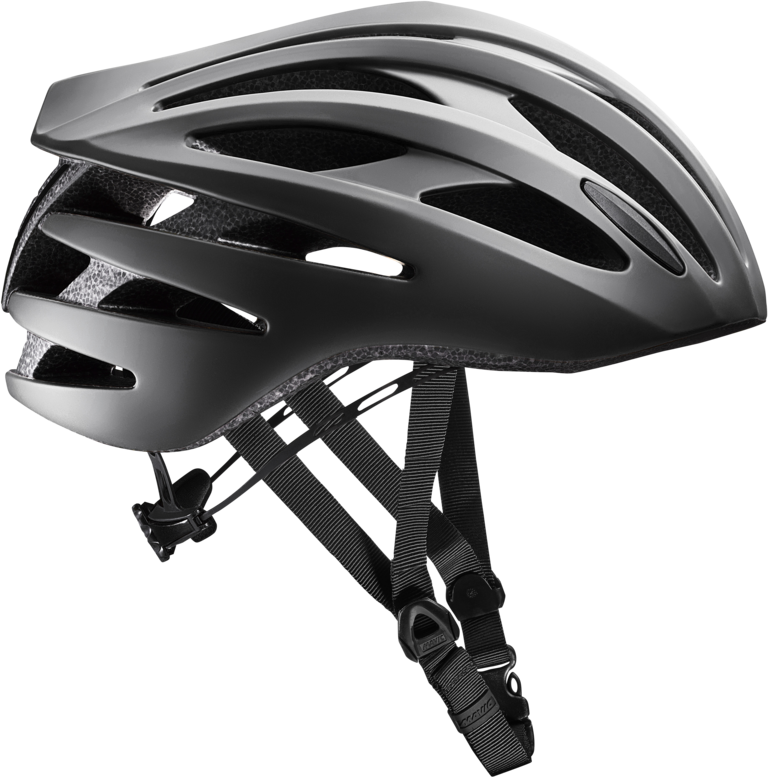
Mavic road bike helmets: safety, ventilation and a precise fit

On the road, a helmet is not just a protective accessory. It is the equipment you wear on every ride, whatever the weather and intensity. To be effective, it must combine three...


RecommendedSort By

Aerodynamics: a shape designed for speed, without instability

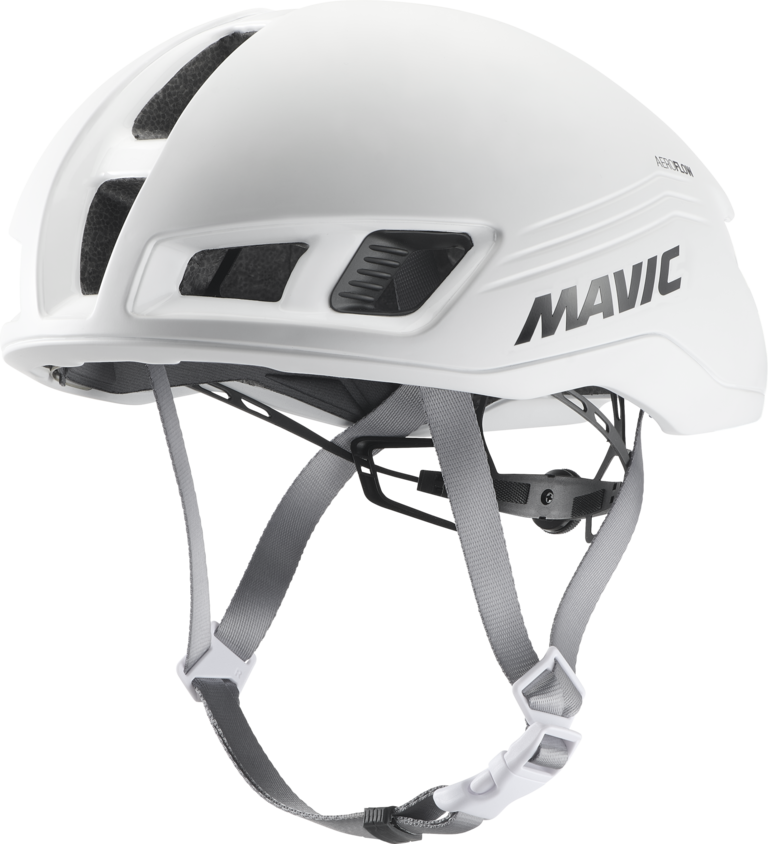
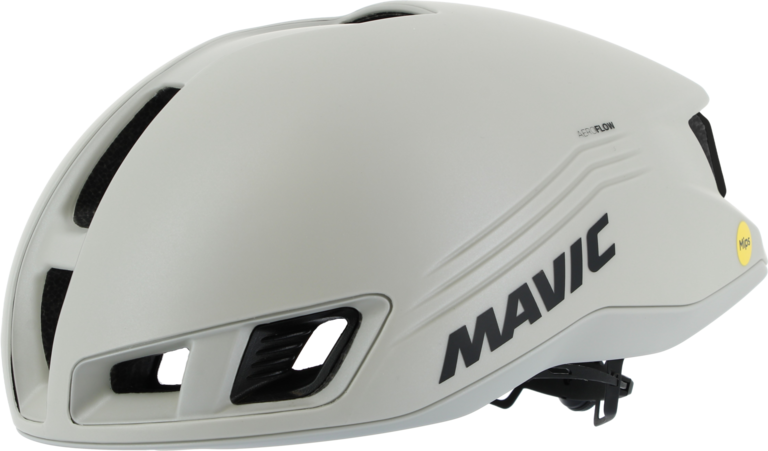
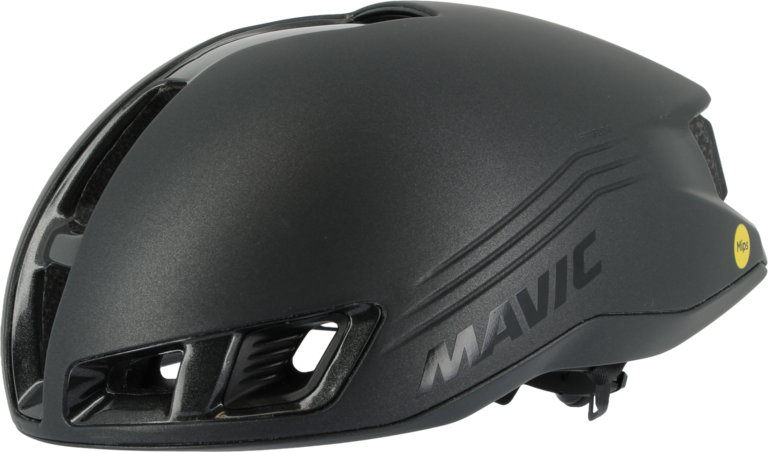
Our road helmets are based on shapes optimised to reduce turbulence. The aim is simple: to maintain good aerodynamics at high speeds, whilst remaining stable and comfortable to wear when you move your head (accelerations, sprints, lane changes).

Ventilation and moisture management: stay cool when the intensity increases

Ventilation does not depend solely on the number of vents. It depends above all on the ability to channel air through the helmet and wick away moisture. Internal channels help guide the airflow to cool the head, then extract the warm air.

To complement this, some foam materials use technologies that help wick away heat and moisture and dry quickly, improving comfort during hot rides or prolonged exertion.

Rotational protection: Mips Air Node

Some models feature the Mips Air Node.

How it works: it allows for slight internal movement designed to help reduce the rotational force transmitted to the head during certain oblique impacts.
The Air Node version is designed to remain lightweight and well-ventilated.

Fit: the right helmet is the one that doesn’t move

An effective helmet starts with a precise fit. The Ergo Hold SL+ fastening system allows for fine adjustment and a comfortable fit.
For ease of everyday use, the FidLock magnetic buckle can be fastened with one hand, even when wearing gloves.

On certain models, memory foam at the forehead adapts to your head shape and improves long-term comfort by reducing pressure points

Useful information for the road: glasses and safety

You may often find yourself taking off your glasses on a climb or when stopping.
The Glass Garage is designed to store your glasses securely on your helmet, keeping them accessible without the risk of them falling off.

Some tips for choosing your road helmet

Prioritise ventilation: if you often ride in summer or in the mountains, opt for a well-ventilated helmet with internal channels.

Prioritise aerodynamics: if you ride fast and for long periods on flat terrain, an optimised shape helps to reduce drag.

Prioritise comfort: look for a secure fit, comfortable padding on the forehead and easy adjustments (strap, buckle).

Prioritise protection: choose a helmet that complies with standards and, if desired, features a rotational protection system such as MIPS.

The most frequently asked questions about road cycling helmets concern safety, size, fit, ventilation, and choosing a model suited to your riding style.
Here are some practical answers to help you choose and use your helmet with confidence.

FAQ

 The best road bike helmets for professional cyclists are those that offer the perfect combination of lightness, ventilation and safety.
Mavic helmets, leaders in this field, are designed using advanced technologies in their construction and architecture, incorporating different densities of expanded polystyrene (EPS).
The adjustment system is among the lightest on the market, and the Autofit non-adjustable chin strap automatically adapts to different head shapes.
Mavic helmets are prized by professionals for their comfort, aerodynamics and impact resistance, making them an ideal choice for cyclists of all levels.

Measure your head circumference (above the eyebrows), then refer to the size guide.
Mavic helmets are available in various sizes, ranging from S to L (and from 51 to 61, covering juniors to adults), to suit all head shapes.
It is important to choose a helmet that fits the shape of your head perfectly, without being too tight or too loose.
Also ensure that the helmet sits correctly on your forehead, with the chin strap properly adjusted. Once you have found the ideal size, you can enjoy optimal comfort and maximum protection on your bike rides.

 The lifespan of a road cycling helmet depends on several factors, such as frequency of use, intensity of rides, and storage and maintenance conditions.
Mavic helmets are designed to last for several years, but it is recommended that you replace them after 5 years from first use, even if they show no visible signs of wear.
This is because the materials used in the manufacture of helmets can degrade over time and through exposure to high temperatures and/or UV light (behind a windscreen, for example), which reduces their ability to absorb impact in the event of an accident. 

It is also important to replace a helmet after a significant impact, even if it does not appear to be damaged, as internal damage may compromise its protective performance. 

The helmet should sit horizontally, low on the forehead (without obstructing your vision). Tighten the rear fastening until it is firmly secure, then adjust the V-shaped straps around your ears. The chin strap should be comfortable but tight enough to prevent the helmet from slipping.

Most road helmets combine an outer shell and an impact-absorbing inner structure (often made of EPS foam), with straps and comfort padding.
Specific features may be added depending on the model: technical padding, anti-rotation systems such as MIPS, or adjustment or self-adjusting mechanisms..

In Europe, bicycle helmets are generally certified to the EN 1078 standard. This standard sets out requirements and tests (impact absorption, retention system, field of vision, marking).
In other markets, different standards may apply (for example, CPSC in the United States).

Because a fall from a bike can result in a blow to the head, even at moderate speeds. A helmet is designed to absorb some of the impact energy and protect your head.
In practice, the most important thing is to wear your helmet every time, ensure it is properly fitted and that it is in good condition.
It remains your best ally for keeping you safe.

Clean with warm water and mild soap, then leave to air dry. Avoid solvents and direct heat. Wash the foam pads if they are removable, and regularly check the condition of the straps and buckle.
You can buy replacement foam pads suitable for your helmet.