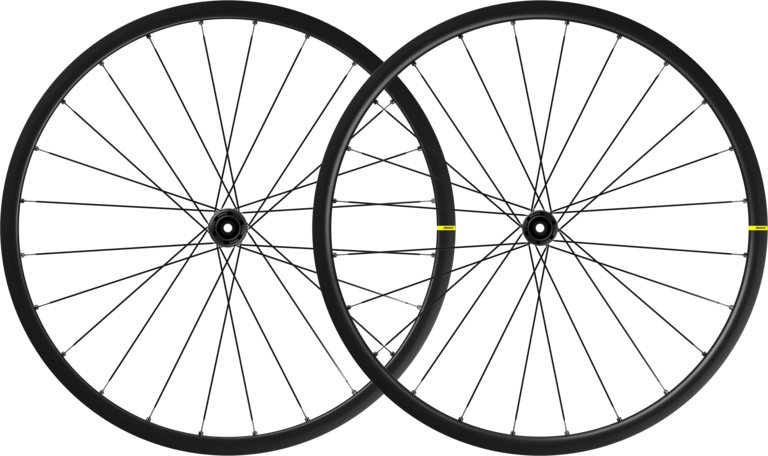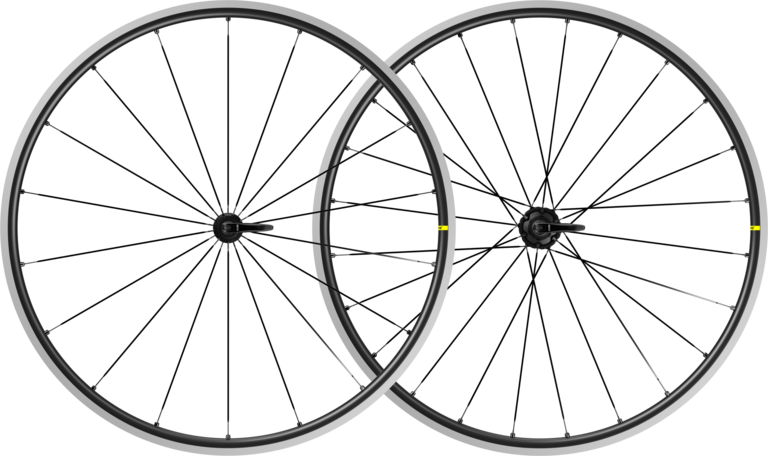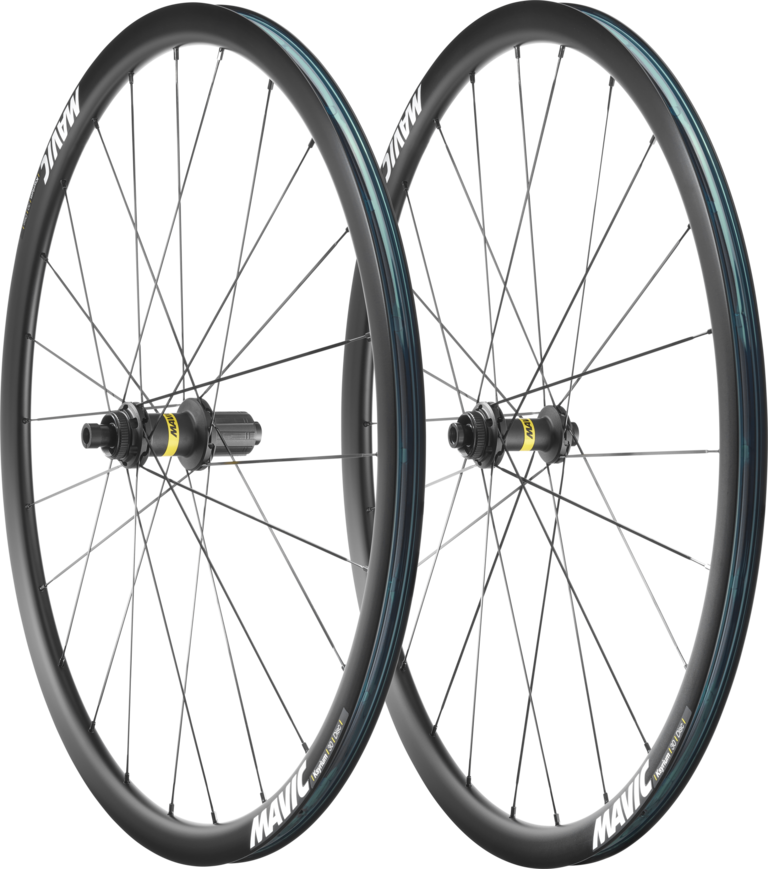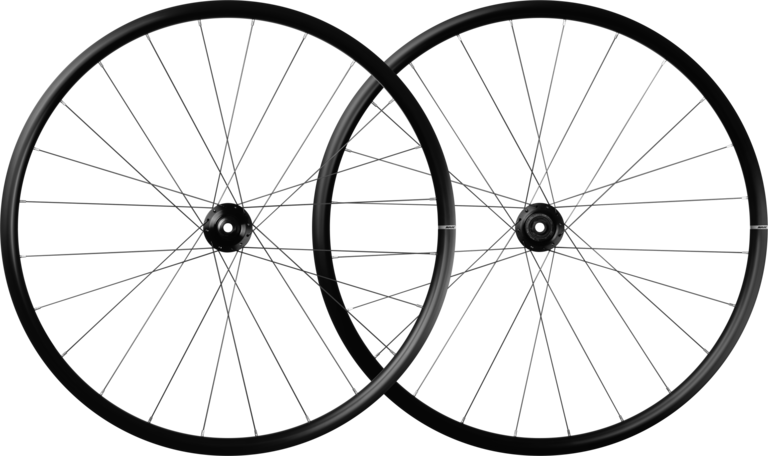
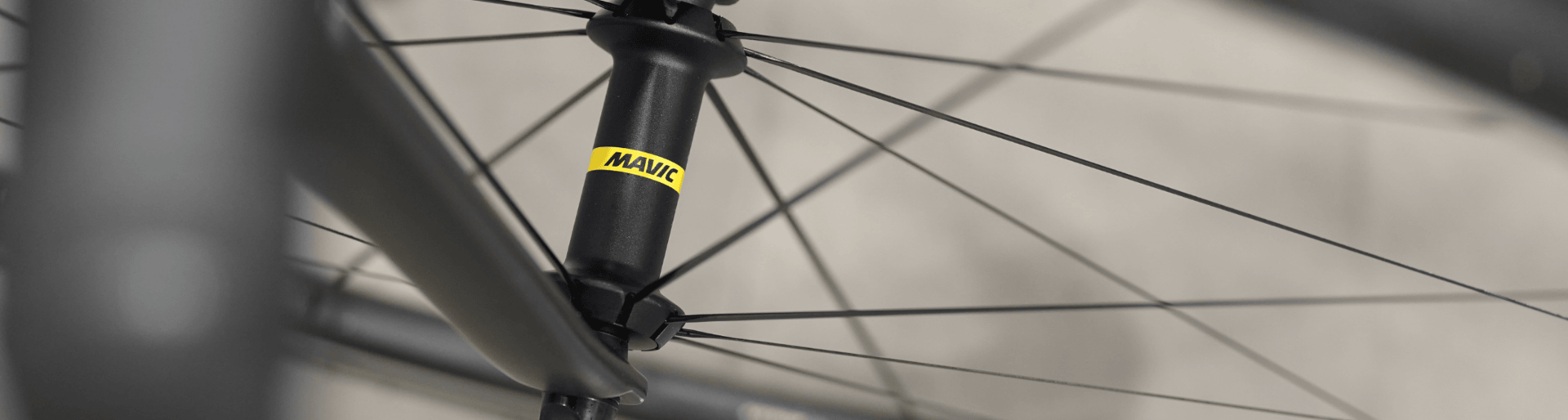
Aluminium road wheels

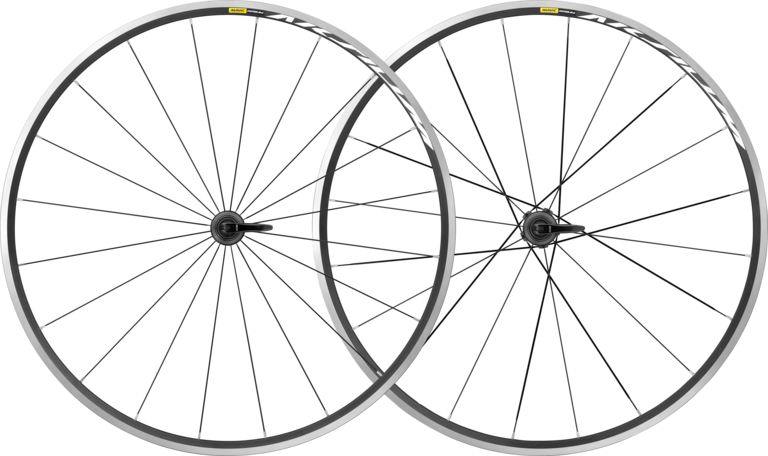
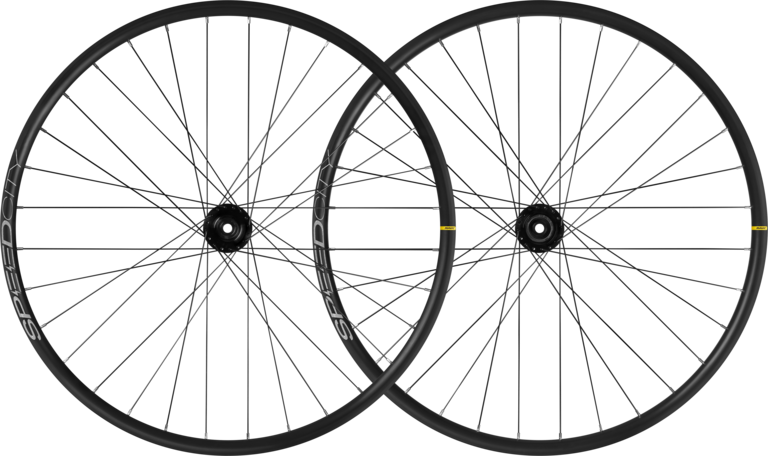
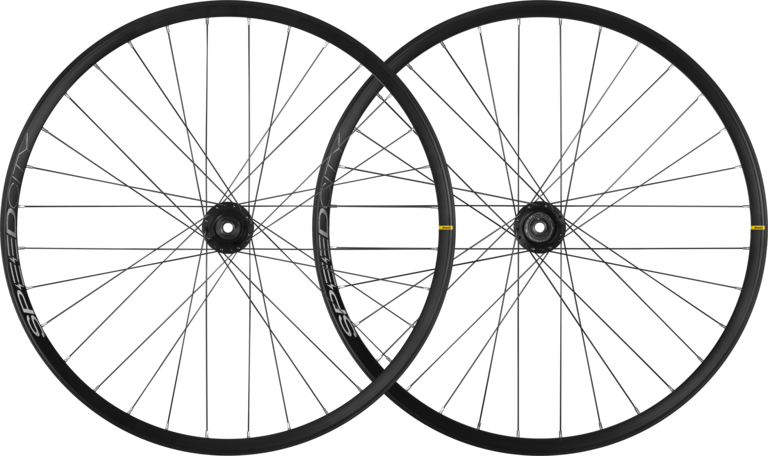
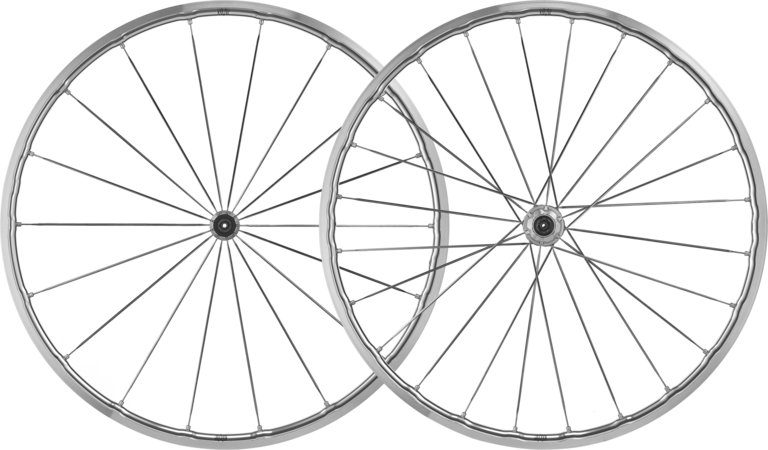
Aluminium road wheels, designed by Mavic: ISM4D rims, ratchet hubs, Fore and tubeless

Aluminium remains the benchmark material for road cycling: controlled tolerances, consistent performance, excellent fatigue resistance and long-term reliability.
At Mavic, the aluminium...


RecommendedSort By

Welded rims: structural continuity and consistency

A rim is subjected to constant cyclic stresses. Mastery of welded rims contributes to better structural continuity and a more uniform rim. The result: a more consistent, more stable wheel with a clean finish — a hallmark of quality when seeking lasting performance.

ISM4D: material optimisation, effective stiffness

This is the key technology that perfectly illustrates Mavic’s mastery of aluminium.

With ISM4D, machining follows a simple principle: removing material where it does not provide useful strength, and retaining it in areas under high stress. This optimisation improves the weight-to-stiffness-to-strength ratio: a wheel that responds more sharply to changes in pace and is just as enjoyable to ride as wheels with carbon rims.

FORE: external drilling, assembly stability… and the basis of ‘true’ tubeless

FORE technology is based on drilling carried out solely from the outside of the rim. From an engineering perspective, this allows for a cleaner and more robust design, and an assembly designed to remain consistent over time (tensions, stability).
Above all, FORE is the key to our “true tubeless” approach: a rim designed to be tubeless without a rim liner. Fewer components, fewer risks associated with the rim liner (delamination, micro-leaks, ageing), and a tyre/rim interface designed for reliability.

Tubeless with or without a rim liner: control, performance and peace of mind

On wheels such as the Ksyrium SL, tubeless without a rim liner simplifies the system and improves durability. Combined with the right tyre and consistent pressure, tubeless often offers:

  • better control on rough surfaces (optimised pressure)
  • a more consistent feel on gravelly roads
  • true peace of mind for everyday use (fewer ‘weak’ points in the assembly)

Mavic hubs: the cornerstone of reliability

A wheel is not just the rim: the hub determines the smoothness, engagement and longevity of the bearings. Our aluminium wheels are based on a complete mastery of the hub-and-spoke assembly (architecture, tensions, stability) to guarantee consistent performance and long-lasting mechanical integrity, even as the miles pile up week after week.

Disc or rim brakes: same philosophy, same high standards

Whether you ride with disc brakes or rim brakes, you’ll find the same Mavic approach: a wheel designed as a coherent whole, validated by testing, with technical choices focused on stability, reliability and long-lasting performance.
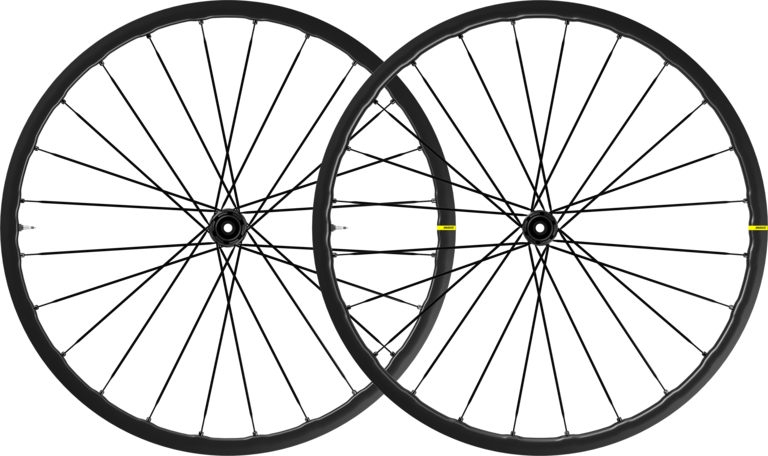
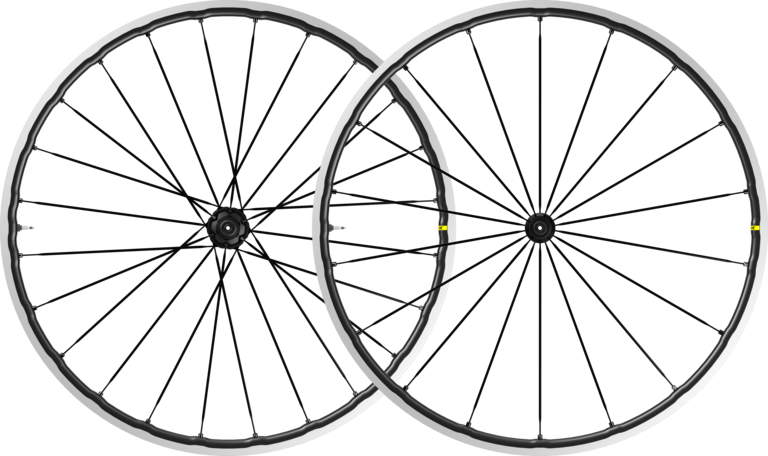
Aluminium road wheels remain a safe bet: they’re durable, perform consistently and are easy to use day-to-day. Questions always come back to very practical points: durability, braking (disc or rim), tubeless/tyre compatibility, stiffness, and above all maintenance (wobble, spoke tension, bearings, freehub). In this FAQ, we share workshop tips to help you choose the right wheels, check for wear and maintain a sound build, season after season.
FAQ

Aluminium wheels have two major strengths: robustness and consistency. They are more tolerant of minor everyday impacts and remain very predictable, especially when conditions become difficult. In addition, aluminium wheels provide greater comfort.
With rim brakes, aluminium often provides a more consistent braking feel in the rain. With disc brakes, the difference is more in terms of behaviour (stiffness/weight) than braking itself. Carbon allows for higher profiles and can offer weight and aerodynamic gains, but aluminium remains the "always-ride" choice, durable and rational.

Simple but regular routine:

  • Gentle washing (lukewarm water + soap), without using a high-pressure jet on the hubs
  • Drying (especially around the bearings and freewheel body)
  • Visual inspection: rim (dents), spokes (marks), nuts (corrosion), tyre
  • Mechanical check: hub play, warping/jumping, bearing noise
    After rain/salting: quick rinse + drying = best "gain" for longevity

On average, yes, but the real question in the workshop is: for the same use, does it perform as well?

A well-designed aluminium wheel can be very responsive, stable and durable. Weight matters, but the feel also comes from useful rigidity, the quality of the assembly (even tension) and the hub.

For frequent riding, aluminium is often an excellent compromise.

Yes.

  • Brake pads: monitor wear on the braking surface (appearance of grooves, wear indicator if present, uneven surface). A dirty brake pad can "eat" into the rim.
  • Disc: pay particular attention to the condition of the disc (minimum thickness) and friction/warping, rather than the rim.

Typical signs: intermittent rubbing (brake pads or disc) or a feeling that the wheel is "not smooth".
Workshop test: spin the wheel and observe the gap at the brake pads/caliper.

  • Slight warping: often, simply trueing the wheel is sufficient.
  • If the warping returns: check the spoke tension (often uneven) or for a worn spoke.

After purchasing a new bike: check the pressure after your first few rides (the tyres will "settle" into place).
Then: if you ride 100+ km/week, a periodic check (or as soon as a noise appears) is a good idea. A wheel that lasts is a wheel with even tension: that's the real "workshop" secret.

Three signs:

  • play (sideways clunking when you move the wheel)
  • rough rotation (grainy feeling)
  • noise (humming, scratching)
    Tip: remove the wheel and turn the axle by hand. If it feels rough or "sticks", it's time to take action (cleaning/maintenance or replacement depending on the hub).
  • Noise/irregular engagement
  • Engagement that is "slow"
  • Feeling of pedalling that skips when restarting
    On a road bike, simple maintenance (cleaning + appropriate lubrication) prevents 80% of problems. Too much grease can also slow down the mechanism: in the workshop, we look for the right lubricant film, not "putting on a lot".

Compatibility depends on the rim: profile, internal width, and tubeless specification.

  • Tubeless: excellent for lowering pressure slightly, increasing comfort and limiting certain incidents.
  • Inner tube: simple and universal.
    Mavic advice: respect the maximum pressures and use tyres that are compatible with your rim (this is where safety and ease of fitting come into play).
  • Clean the brake track regularly and remove grit/shavings from the brake pads
  • Avoid constantly "dragging" the brakes when going downhill: instead, brake in sequences (slow down/release).
  • Replace the brake pads before they become too worn: a brake pad at the end of its life will damage the rim more quickly.