$130.00
Response delays to inquiries from Oct 7 to 19. Order fulfillment as normal.

A mountain bike helmet must meet specific criteria: coverage of sensitive areas, stability on the head, ventilation during climbs, and comfort during long rides.
The Mavic teams sum it up well:
At Mavic, our approach is to work on the whole package: helmet, fit, and ventilation to meet these different needs.
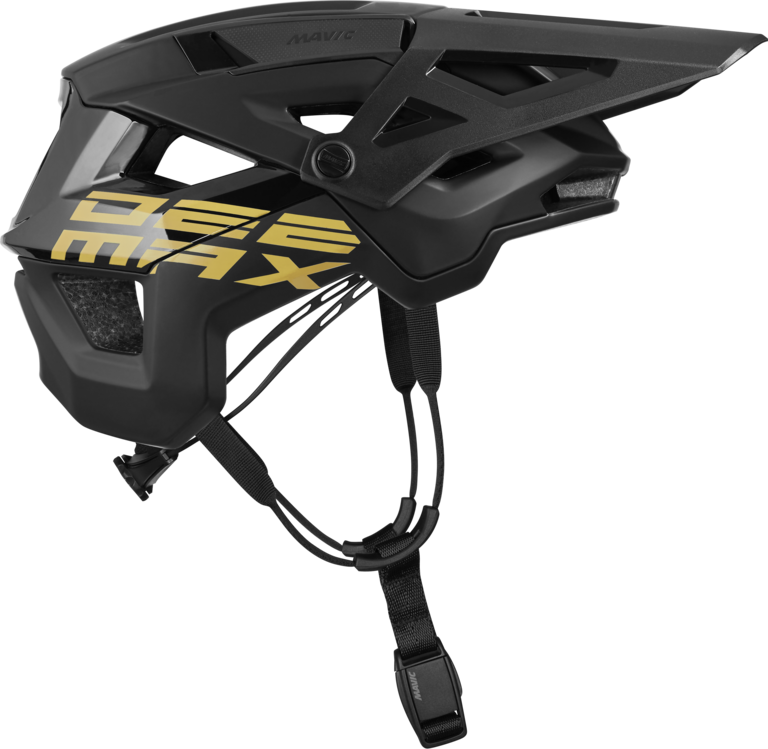
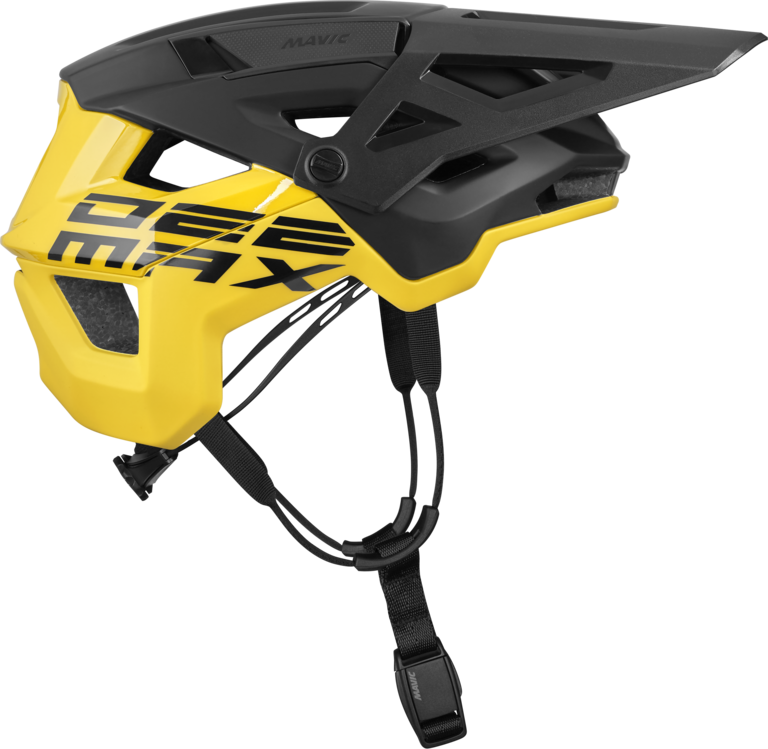
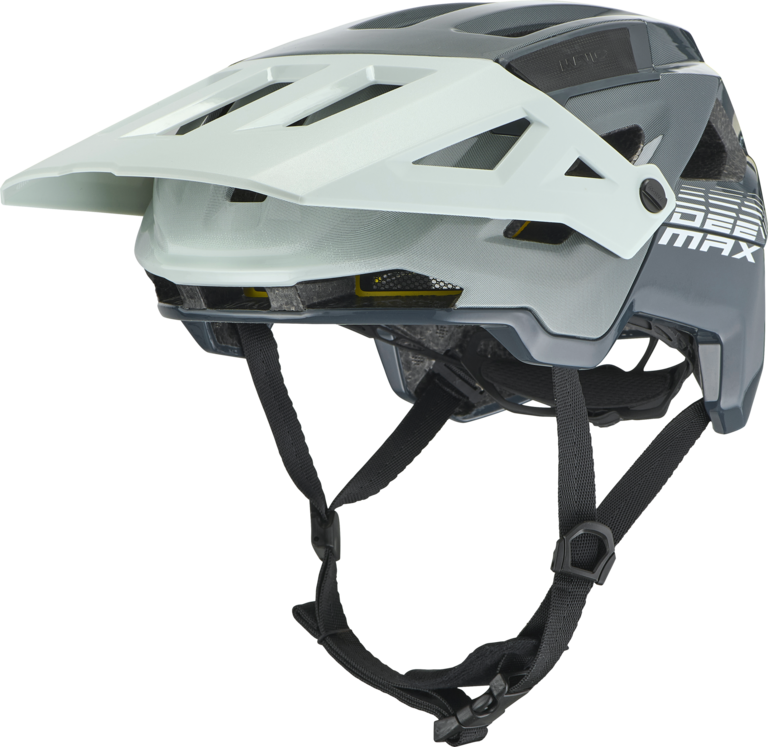
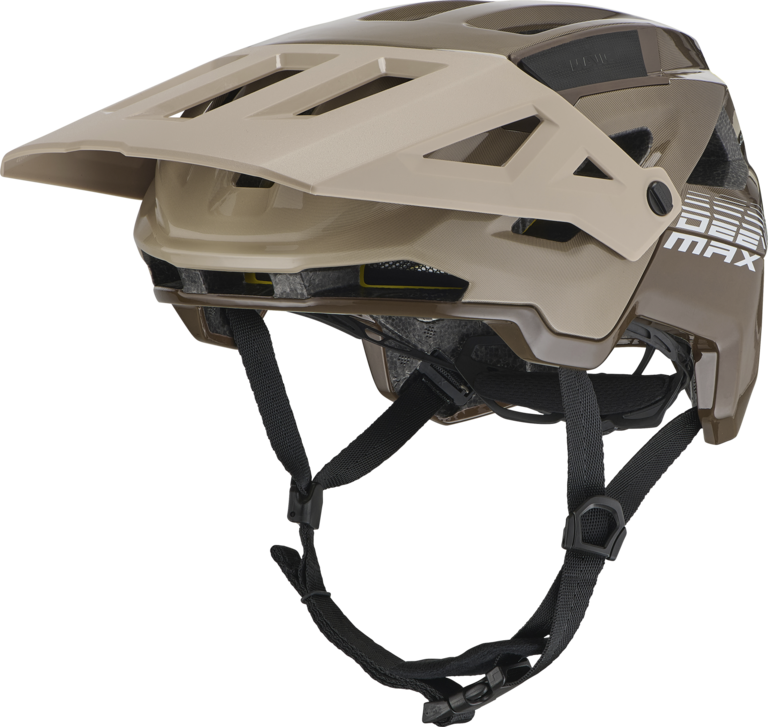
A mountain bike helmet must provide broader protection than a road helmet, particularly around the temples and the back of the head. On a trail/enduro-oriented model like the Deemax Pro MIPS, coverage is advertised as extended in these areas, for more comprehensive protection on challenging trails.
Mountain bike crashes aren’t always head-on. During an oblique impact, rotational forces can be significant.
This is where the MIPS solution comes in: it allows for slight internal movement to help reduce the rotational force transmitted to the head in certain situations.
Depending on the model, you’ll find MIPS (Deemax Pro MIPS) or MIPS Evolve Core (Deemax Trail).
The visor is not just a decorative element. It reduces glare, protects against debris (mud, rain, dust), and can help deflect small branches. On the Deemax Pro MIPS, the multi-position visor is designed to maintain visibility in “roots & rocks” situations.
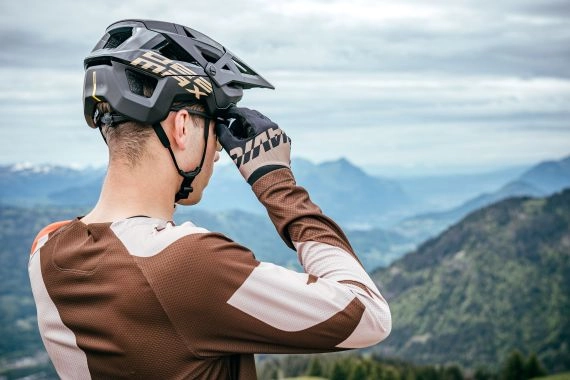
The ideal helmet is the one you forget you’re wearing. In mountain biking, it’s also the one that stays stable when you shake your head or hit bumps in the terrain.
Mavic uses dedicated retention systems depending on the model:
Ergo Hold SL+ (Deemax Pro MIPS) with multi-position adjustments,
Ergo Hold SL (Crossride SL Elite) for quick one-handed adjustment,
and an ErgoHold retention system on the Junior Explorer.
On the Deemax Trail and Junior Explorer, Lockstrap straps let you lock in your fit so you don’t have to worry about it during your ride.
Comfort comes from contact with the head. On the Deemax Pro MIPS, XRD foam is a memory foam that improves fit and absorbs vibrations. Coolmax® foams absorb heat and wick away sweat.
On the Crossride SL Elite, 37.5® technology provides active heat and moisture management to keep you comfortable on long rides.
During a climb, a helmet with poor ventilation quickly becomes uncomfortable. Effective ventilation doesn’t depend solely on the number of vents: it depends on airflow and the ability to expel hot air.
On the Deemax Pro MIPS, front vents connected to internal channels ensure ventilation during exertion.
On the Deemax Trail, its design allows for effective ventilation during trail rides.
Practical details matter:
Glass Garage on the Deemax Pro MIPS (spectacle storage in both directions)
Dual Glass Garage on the Deemax Trail (front and rear).
The Deemax Pro MIPS is compatible with goggles, and some models feature an insect net over the front vents.