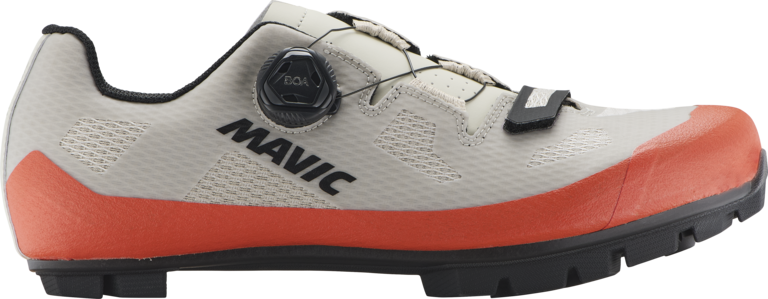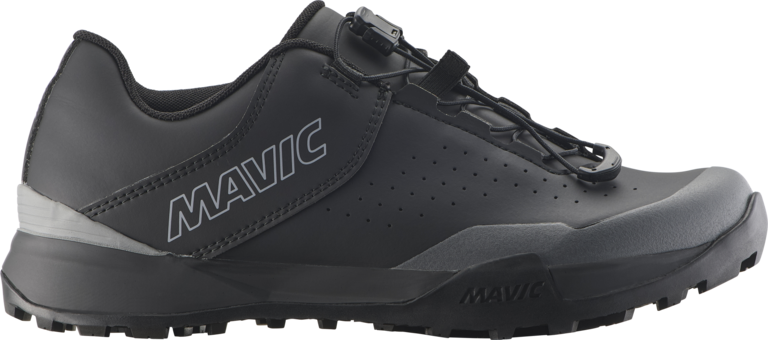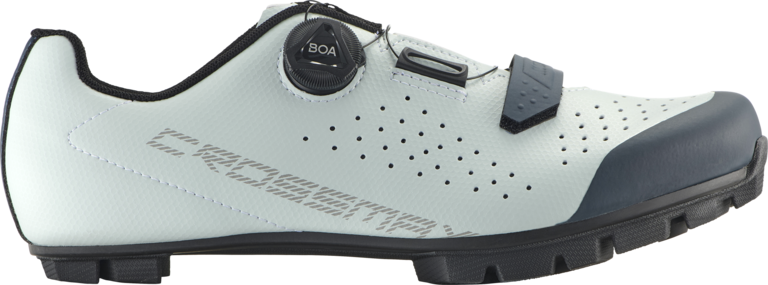
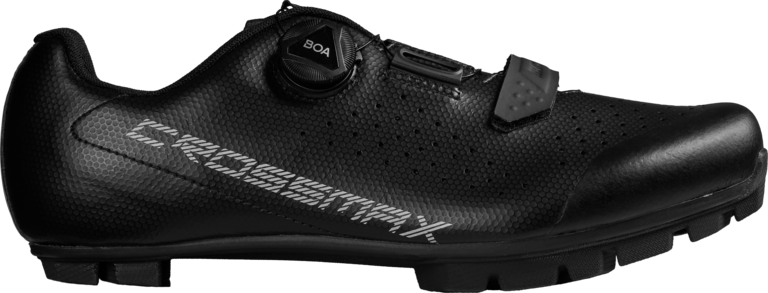
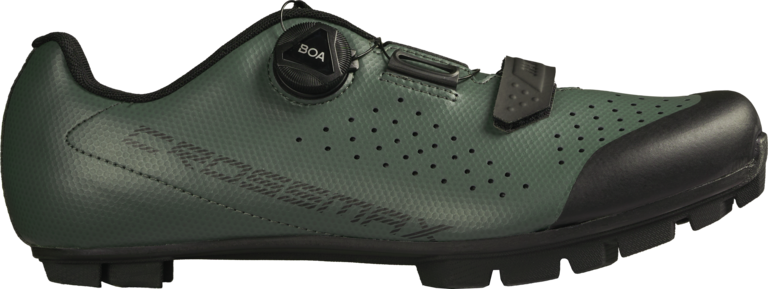
Mavic MTB shoes: control on the trails, comfort over time

In mountain biking, you can have the best bike in the world: if your shoes don't keep up, you lose control, you tire more quickly, and you get into trouble as soon as things get technical. At...


RecommendedSort By

These product categories might interest you

Grip that saves the day when the terrain says no

Wet roots, slabs, carrying your bike, approach walks... a good MTB sole needs to grip when you get off your bike. Our soles are designed to offer reliable grip and natural walking, with overmolded TPU lugs for added traction and durability.

Support: your foot should be locked in, not compressed

The right support is when you forget about your feet. Depending on the model, you'll find:

  • Speedlace: quick, simple, and effective tightening, perfect for frequent riding and adjusting in 2 seconds.
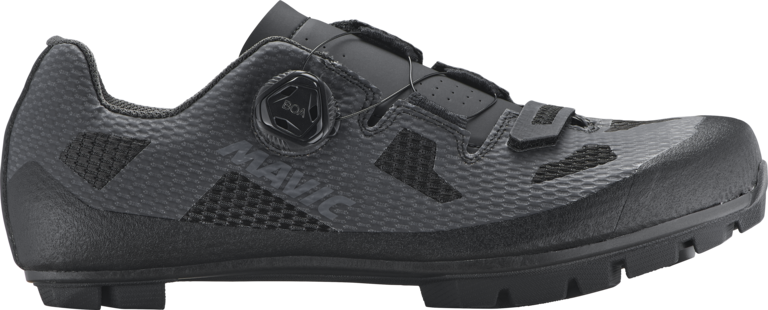
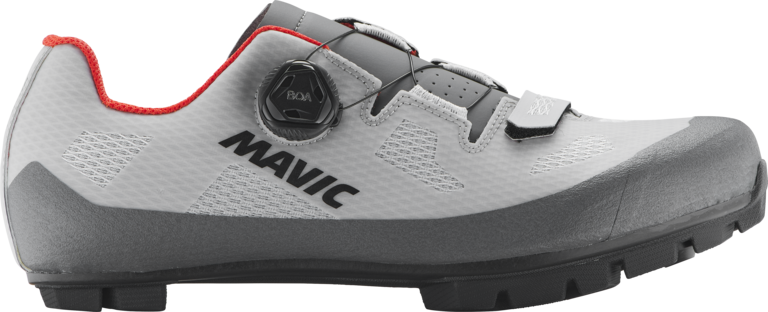
  • BOA® Fit System (L6 dial): precise micro-adjustment, easy to adjust even while riding, for a clean and consistent fit.

And on long rides, a memory foam insole improves comfort and reduces pressure points.

Power transfer: when you push, it goes!

For those who want a more direct pedaling feel (XC / sustained pace), a carbon composite sole increases stiffness and improves energy transfer. You lose less in the sole, you gain in efficiency—especially when you're pedaling hard and climbing!

Protection: because rocks never warn you

When mountain biking, your feet are exposed to rocks, branches, and impacts. That's where a reinforced toe cap makes a real difference: it protects your toes and provides a more reassuring feeling when you hit something.

Choose the Mavic mountain bike shoes that are right for you

  • XC / fast rides / seeking efficiency: choose a stiffer sole (carbon composite) + precise fastening (BOA®) for maximum power transfer.
  • Trail riding / all-mountain / mix of pedaling + technique: aim for balance, i.e., reliable support, long-lasting comfort, grippy sole, and solid cleats.
  • You walk or carry your bike often: prioritize grip and a sole with multiple cleats (TPU cleats + good grip).

Mavic tip: choose the right size from the start. When mountain biking, a foot that is too tight quickly becomes painful; a foot that is too loose becomes imprecise. The goal is a secure heel and comfortable toes.

In mountain biking, shoes are not a minor detail: they are your direct contact with the pedals... and with the ground when you need to put your foot down, push or carry your bike. The most frequently asked questions concern compatibility with pedals (SPD and equivalents), the right level of sole stiffness (performance vs. walking), support (BOA®, Speedlace, etc.), protection (toes/sides), moisture and cold management, and maintenance after a muddy ride. The goal: to find the pair that suits your riding style (XC, trail, enduro), without pain, with grip when it gets technical.
FAQ
MTB shoes are designed with a sturdy sole that is often lugged to make it easier to walk or carry the bike over rough terrain. Unlike road shoes, they provide better grip in dirt, mud and on rocks. Mavic mountain bike shoes are compatible with most clip-in pedal systems. 
Proper care of your mountain bike boots will ensure their longevity. We recommend that you clean them after each ride, especially if they are muddy, using lukewarm water and a soft brush. Leave them to air dry], away from direct sources of heat. To maintain the suppleness of the upper, whether constructed from leather or synthetic materials, consider treating the exterior with conditioning and waterproofing products. 
The stiffness of the sole influences the transmission of pedaling power. A rigid sole offers greater efficiency by transmitting energy directly to the pedals, making it ideal for competitiive use. However, a softer sole can offer more comfort and traction when hike-a-biking and/or hanging out after a ride,and is better suited to mixed terrain and enduro riding. Ultimately it comes down to each rider’s personal preferences, as each style of shoe has its advantages depending on terrain and tactics. 

Most MTB shoes are designed for 2-bolt cleats, such as SPD (and equivalent systems). This is the most common standard for off-road cycling because it allows for a discreet cleat that is compatible with walking

.

  • Stiffer = better power transfer (ideal for XC, sustained pace).
  • More forgiving = greater comfort and better walking (trail/enduro, long rides).
    The "right" sole is one that lets you go for it without destroying your feet when you have to walk.
  • BOA®: precise, quick, consistent micro-adjustment (great when you want a snug fit).
  • Speedlace/laces: simple, lightweight, effective, easy to adjust, often feels more "flexible."

Choose according to your needs: locked fit (BOA®) or natural comfort (laces/Speedlace).

Mavic tip: heel well supported (no pumping), forefoot comfortable (toes free), and no areas that "pinch" when tightened. Keep in mind that when mountain biking, your feet swell a little over time: if they are too tight at the start, you will experience pain after an hour.

Remove the inner sole, loosen the laces, clean with warm water and a soft brush, then leave to dry in the open air, away from direct heat sources (radiators are a bad idea).

Two tips:

  1. Remove the inner sole to dry it faster.
  2. Leave the shoe open in a well-ventilated place. And if you ride often, alternating between two pairs of socks/soles can help.

Most often, it's because the cleat is worn, the cleat is not tightened properly, there is mud in the pedal, or the pedal tension needs to be adjusted. "Quick fix": clean, check that the cleats are tight, and replace them if they are very worn (rounded edges, play).

Workshop base: cleat in the middle of the metatarsal area, foot straight (no forced rotation).

  • Pain in front of the knee: often cleat too far forward → move back slightly.
  • Pain on the outside/inside of the knee: often the angle/rotation needs to be corrected → gradually realign.
  • Foot "burning"/numbness: check for wedges too far forward, excessive tightness, overly rigid sole, or shoes that are too narrow.
    Make micro-adjustments (2–3 mm), test on a ride, then readjust.

Quick check:

  1. Pedal tension (adjustment screw): left/right balance.
  2. Cleat: wear (rounded edges), play, tightness of screws.
  3. Alignment: if the cleat is turned too far, you are "forcing" the mechanism.
  4. Mud/sand: clean the pedal + cleat (rinsing + brushing often solves the problem).
    If you often ride in wet conditions, remember to check your cleats more frequently: they are a wearing part.

This is the classic "mix": you want rigidity without losing practicality.

  • Look for a rigid sole for pedaling, but with an effective walking zone (studs that grip).
  • Choose a precise fit (BOA® or effective tightening) to prevent your foot from moving when you accelerate.
  • For carrying, the important thing is the grip of the cleats and a reinforced toe cap: this prevents the shoe from being damaged on rocks.
    In short: "locked fit + rigid sole + serious crampons" = efficiency without hassle when you put your foot down.