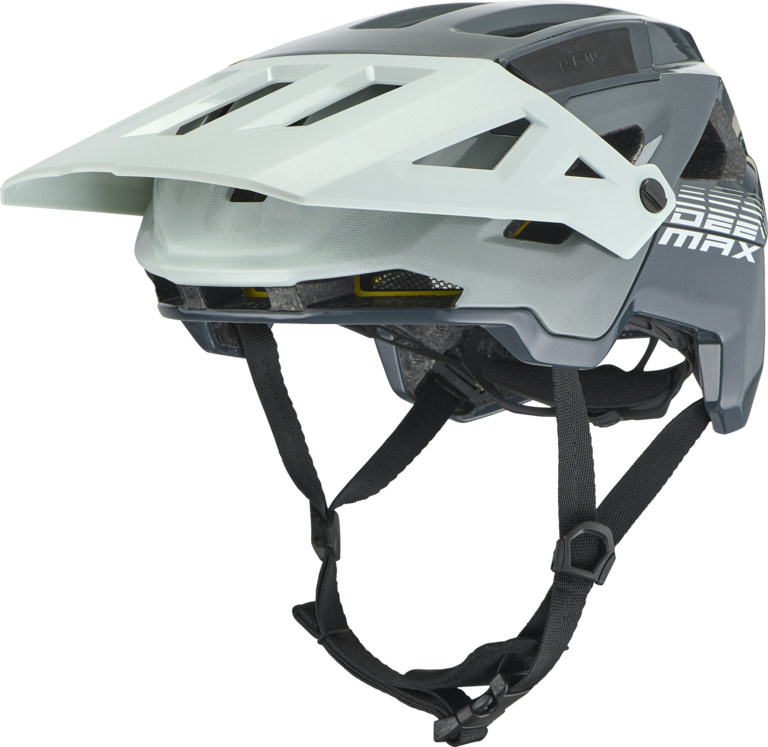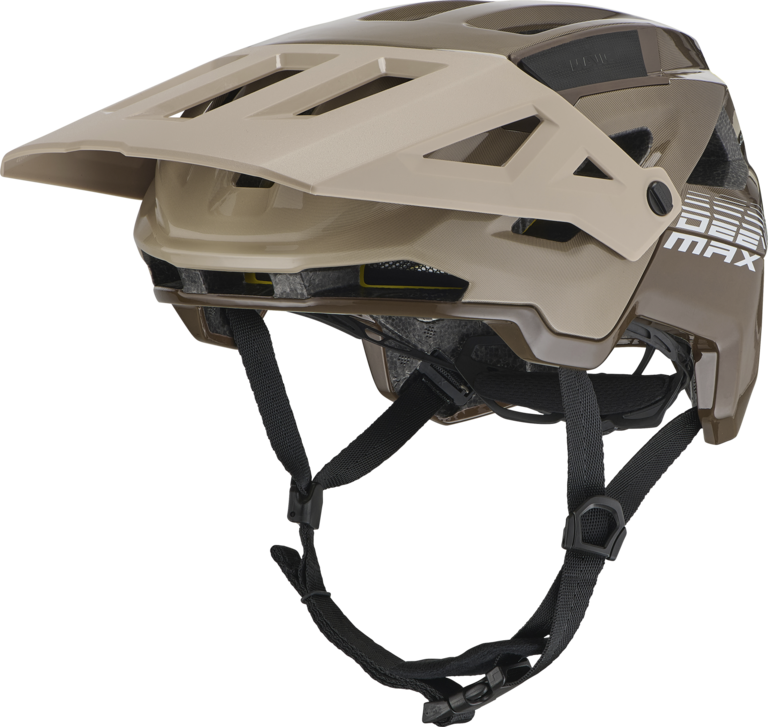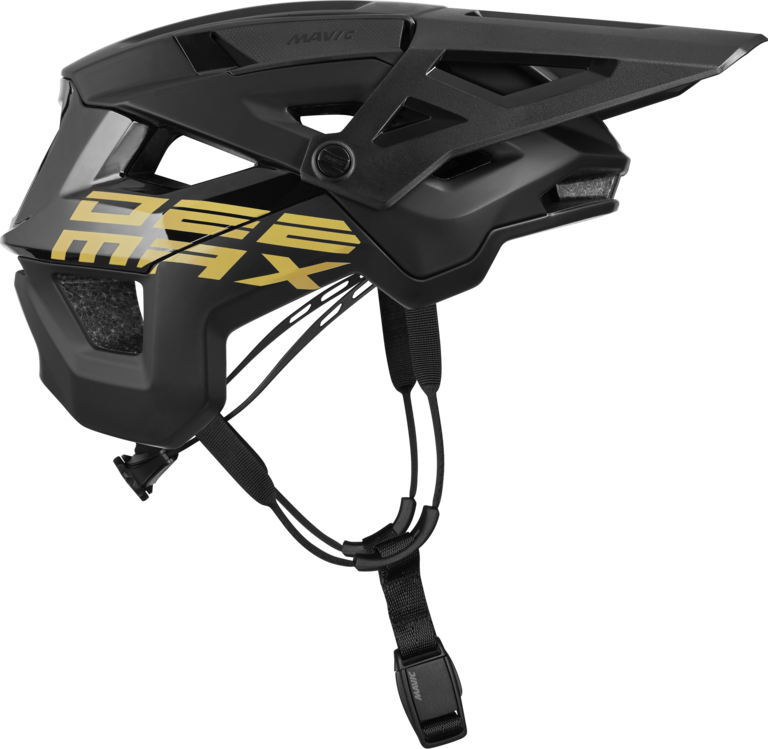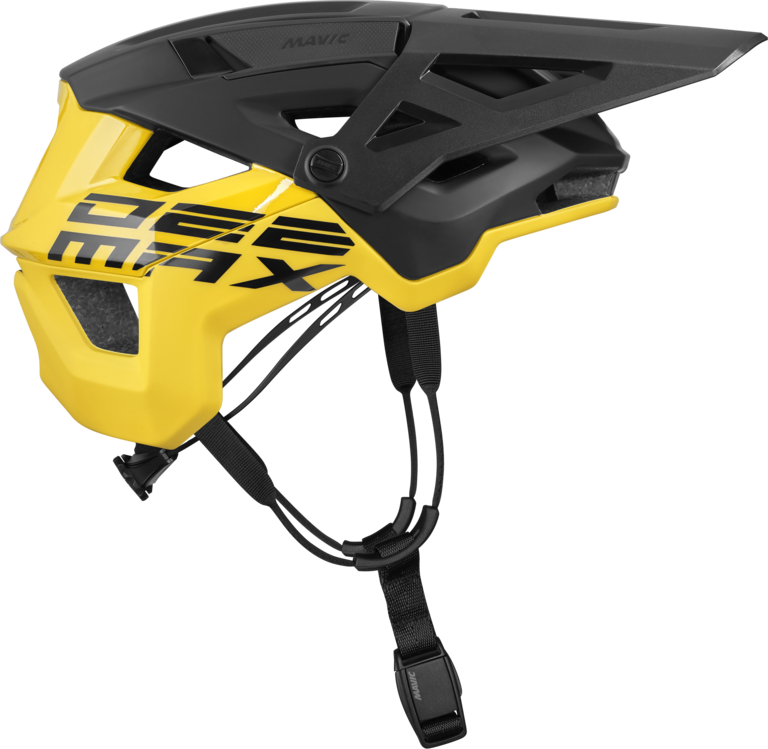
$109.00
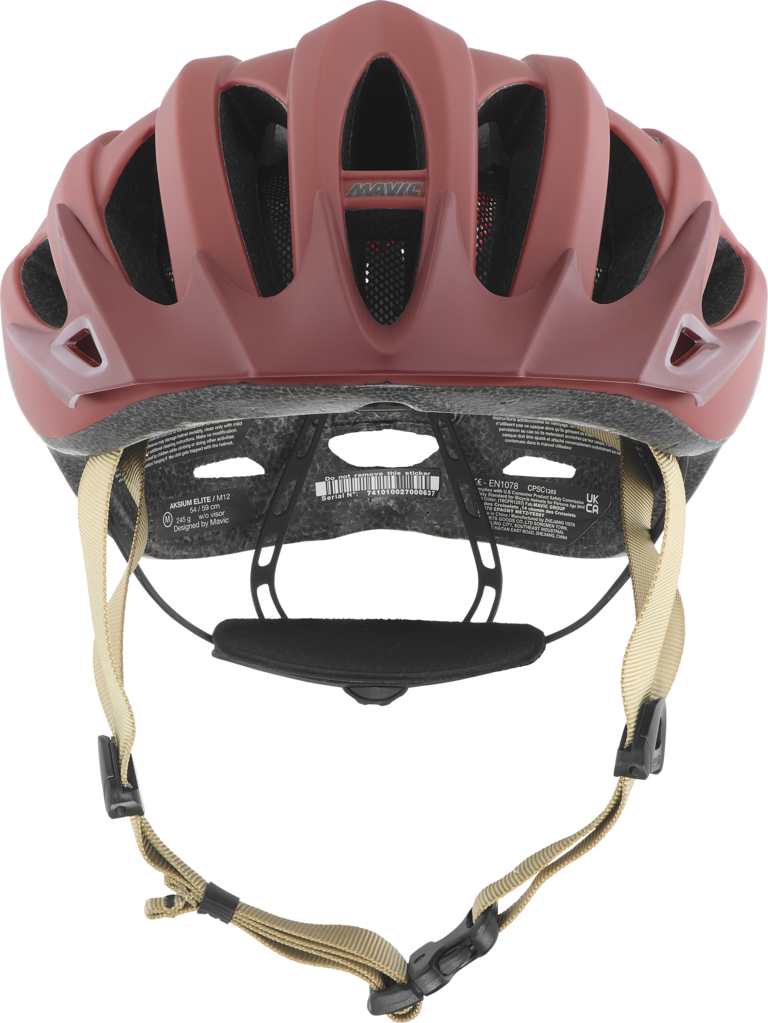
In Europe, the most common standard is CE EN 1078, and in the United States, it is the CPSC standard. It sets out basic testing requirements and standards (impact absorption, fit, field of vision, labeling). A helmet must be compliant and in good condition.
To choose the right size for a mountain bike helmet, measure the circumference of your head using a measuring tape. Then, refer to the size guide to determine the most suitable size. Make sure the helmet fits comfortably on your head without being too tight or too loose. It should fit snugly and not move when you shake your head. If you’re between sizes, choose the larger size and use the available adjustment systems for a precise fit. Don’t forget to check that the helmet properly covers your forehead and the back of your head for optimal protection.
In mountain biking, impacts and debris are more common, and the head moves more. A mountain bike helmet generally offers more coverage over the temples and the back of the head, often includes a visor, and features ventilation designed for both climbing and descending.
MIPS is a solution designed to help reduce rotational force transmitted to the head during certain oblique impacts. It is not a "guarantee," but an additional layer of protection that can be beneficial for mountain biking.
XC: Lightweight and ventilated for extended rides. Trail: A balance of protection and ventilation for both climbing and descending. Enduro: A more snug fit and firmer hold for aggressive downhill riding.
It reduces glare, protects against splashes (mud, rain), and can help deflect small branches. An adjustable visor is useful for adjusting your field of vision depending on the slope.
Start by turning the dial to get a snug fit, then adjust the side straps to form a ‘Y’ shape under the ear. The chin strap should be tight enough to prevent the helmet from tipping.
Use only lukewarm water and mild soap, then let it air dry. Avoid solvents and direct heat. If the foam pads are removable, wash them regularly for hygiene.
After any serious impact, even if the exterior appears undamaged: the EPS may have been compressed and no longer function properly. Even without an impact, replace the helmet if the straps, padding, or fit are significantly worn, or if the helmet has been exposed to numerous cycles of heat and UV exposure and no longer fits properly.