€329.00

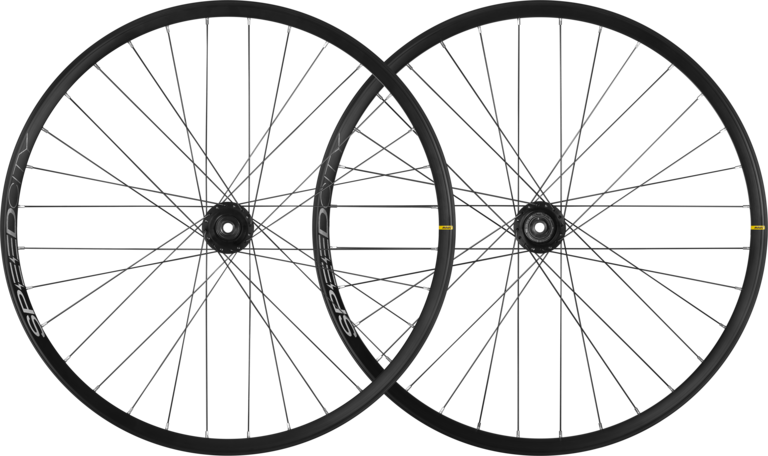
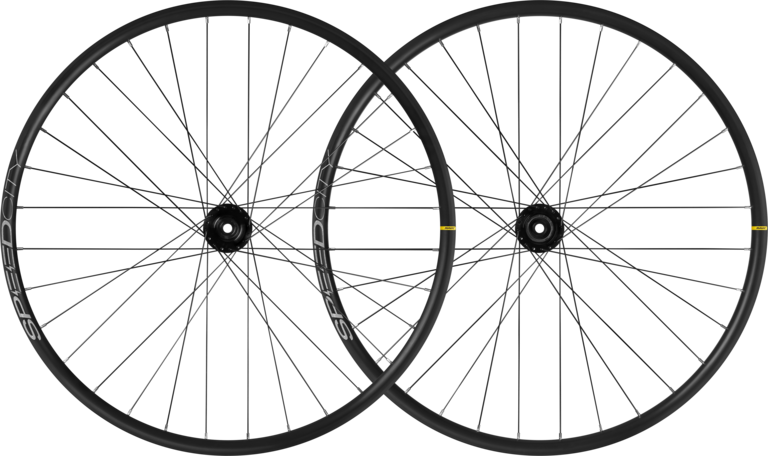
In an urban environment, wheels are regularly exposed to various obstacles, such as potholes, kerbs, or uneven cycle paths. A robust, well-designed wheel will better withstand these challenges, ensuring a longer lifespan and minimising the need for regular maintenance. Reinforced rims, an appropriate number of spokes and good construction are essential to ensure this robustness.
The ideal wheel size for a city bike depends on the rider’s preference and intended use. 700c wheels are common on many city bikes due to their efficient ‘ride quality’ and their adaptability to various urban terrains. They allow for a comfortable cruising speed. 26-inch wheels, often seen on cruiser-style bikes or certain mountain bikes, offer greater manoeuvrability, which can be useful in busy areas. Ultimately, the choice will depend on the desired balance between speed and manoeuvrability.
The simplest way: check the minimum/maximum pressure indicated on the sidewall of the tyre, and stay within that range. If the tyre squishes when you get on the bike, the pressure is often too low. A properly inflated tyre rolls better, is less prone to punctures and prevents damage to the rim.
For urban use, ideally aim for once a week (or every two weeks if you don’t ride much). Tyres naturally lose a little air. Checking them regularly prevents most “silly” punctures and makes cycling more enjoyable.
Because that’s what gives you peace of mind: a high-quality wheel remains stable, withstands impacts better, is less likely to go out of alignment, and maintains good performance over time. Put simply: fewer breakdowns, fewer unexpected costs, and greater peace of mind in your daily life.
The “express” solution: change the inner tube (if you’re riding on tyres with inner tubes) or use a repair kit if you have one. The right thing to do: carry a spare inner tube, two tyre levers and a mini-pump. That’s what’ll get you back on the road in 10–15 minutes.
The “zero stress” kit: inner tube, tyre lever, mini-pump (or CO₂ cartridge), multi-tool, and ideally a small emergency patch. That covers 90% of everyday problems.
A puncture repair spray can also do the trick to get you to your destination and then repair it later.
Typical signs: it rubs intermittently, you feel vibrations, or you see the rim “wobbling” when you turn the wheel. If it’s minor, a workshop can quickly true it; if it’s severe, it’s best to avoid riding fast.
Often, no. It’s usually just a matter of realigning the caliper or a slightly misaligned disc. If the squeaking is constant and loud, get it sorted: you’ll save your brake pads and your bike will run smoothly again.
Two things:
And after a very wet ride: a quick clean and lubrication prevents rust and keeps the bike running smoothly.
If your aim is “zero hassle”, inner tubes are often the easiest option. If you want fewer punctures in everyday use, tubeless tyres may be worth considering.
Good “city” routine: a quick visual check regularly, and a more thorough check every 3 to 6 months if you cycle often (brakes, tyres, tightness, wear and tear). An annual service is ideal for peace of mind.