
Uncommonly fast

Cross-country wheels

Uncommonly fast

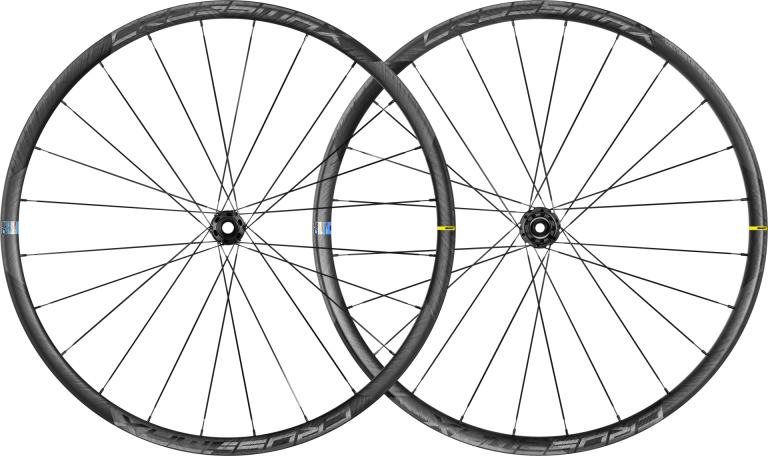
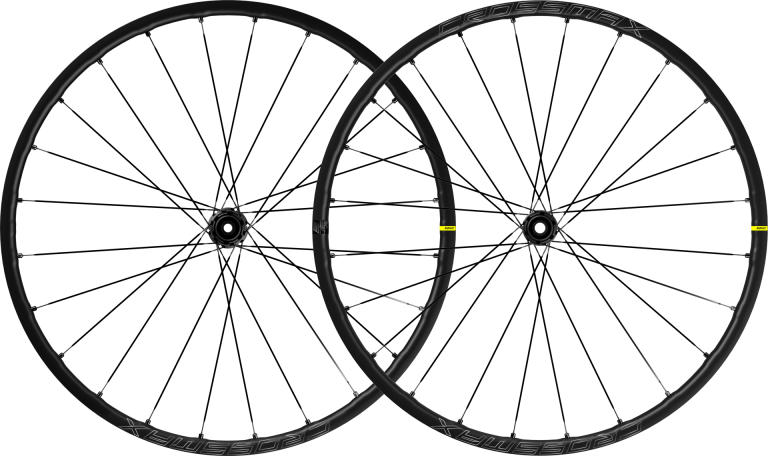
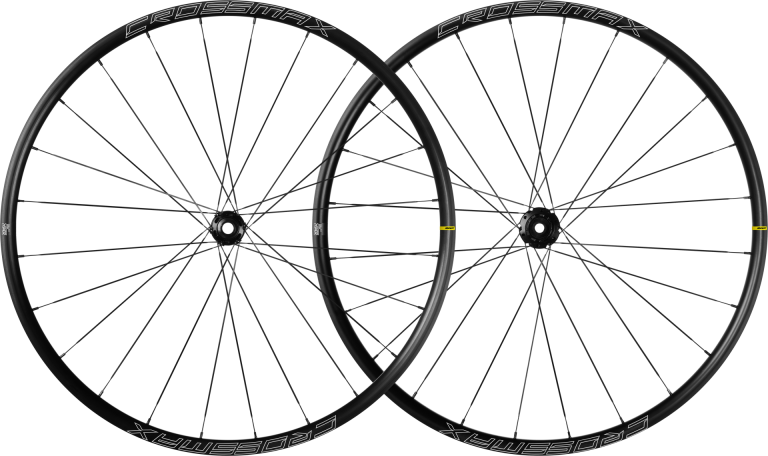
Specially designed for mountain bikers seeking ultimate performance, our cross country wheels will take you on the most demanding trails with ease, whether you're competing or riding...


RecommendedSort By

These product categories might interest you
Cross-country (XC) mountain bike wheels play a crucial role in performance on this discipline’s varied and technical terrain. Common questions concern their lightness, the ideal rim width, rolling resistance, the robustness needed for technical sections, and the compatibility of tubeless systems. Other common concerns involve the materials used (aluminum or carbon), hub technologies and the importance of spokes in wheel dynamics. Finally, the impact of wheel diameter (27.5 or 29 inches) is often debated.

What is the ideal wheel weight for XC?

The best wheel weight for cross-country mountain biking (XC) depends on the rider's size and preferences and the specific course. In general, however, XC riders prefer lightweight wheels for rapid acceleration, better handling and efficient climbing. Wheel weights can vary, but many top-of-the-range XC wheels weigh between 1,300 and 1,900 grams per pair. You should never sacrifice durability and strength for lightness, but strike the right balance to ensure that the wheels can withstand the rigors of XC terrain while being as light as possible.

How do I choose between 27.5" and 29" wheel diameters for XC?

The choice of wheel diameter depends largely on riding style and the rider’s body type. 29-inch wheels offer better climbing ability and better momentum retention, making them ideal for rough terrain and long distances. On the other hand, 27.5-inch wheels are more maneuverable and responsive, preferred by those looking for a more dynamic riding experience.

Pourquoi opter pour un système tubeless sur des roues XC?
 
Les systèmes tubeless sont populaires en XC car ils réduisent le risque de crevaison par pincement, permettent de rouler à des pressions plus basses (améliorant la traction) et peuvent être légèrement plus légers que les configurations traditionnelles. En outre, en l'absence de chambre à air, le risque d'éclatement en cas de crevaison est réduit, ce qui augmente la fiabilité lors des courses ou sorties longues.
1 / 3