€2,249.00
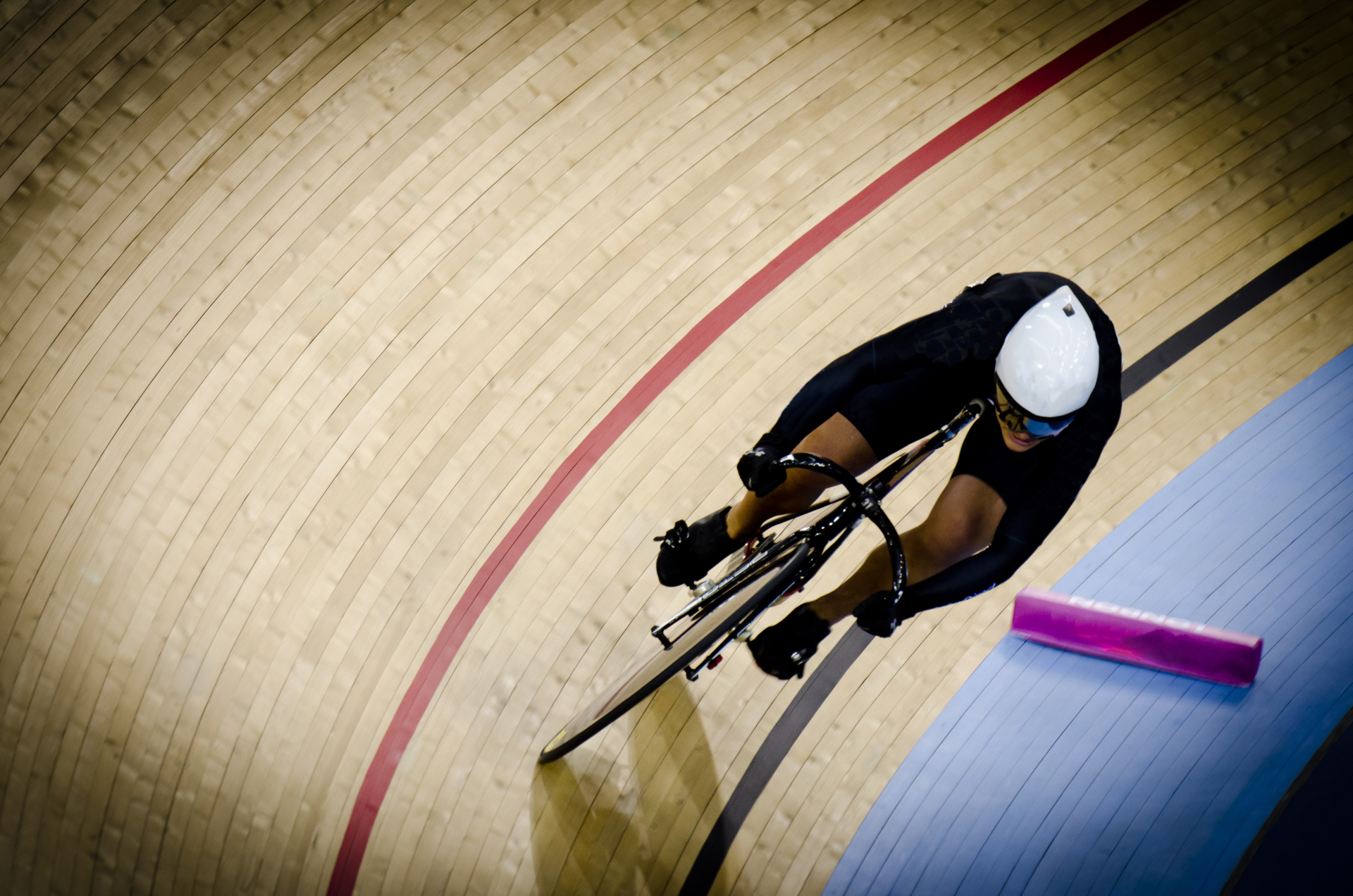
The track is an arena, and Mavic track wheels are the weapons of its gladiators.
Specially designed for speed and adrenaline enthusiasts, these wheels are a true ode to velocity — the ultimate showcase of our most refined expertise.
Ready to launch like a rocket? Brace for Gs and keep spinning with lightweight, stiff, and incredibly responsive track wheels — perhaps the most renowned in the world for those who love to ride in circles. For years, they’ve propelled the fastest riders to dizzying speeds.
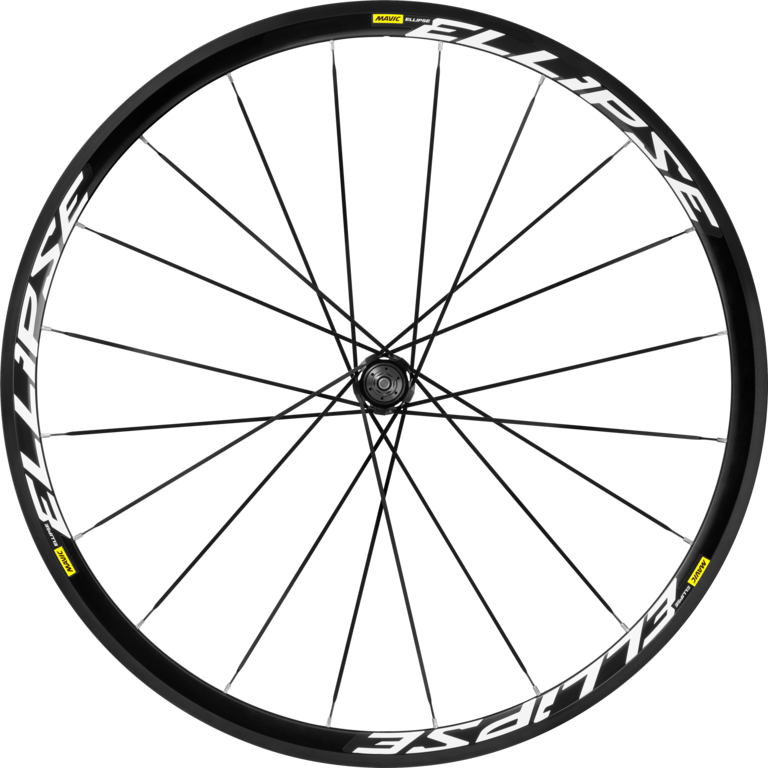
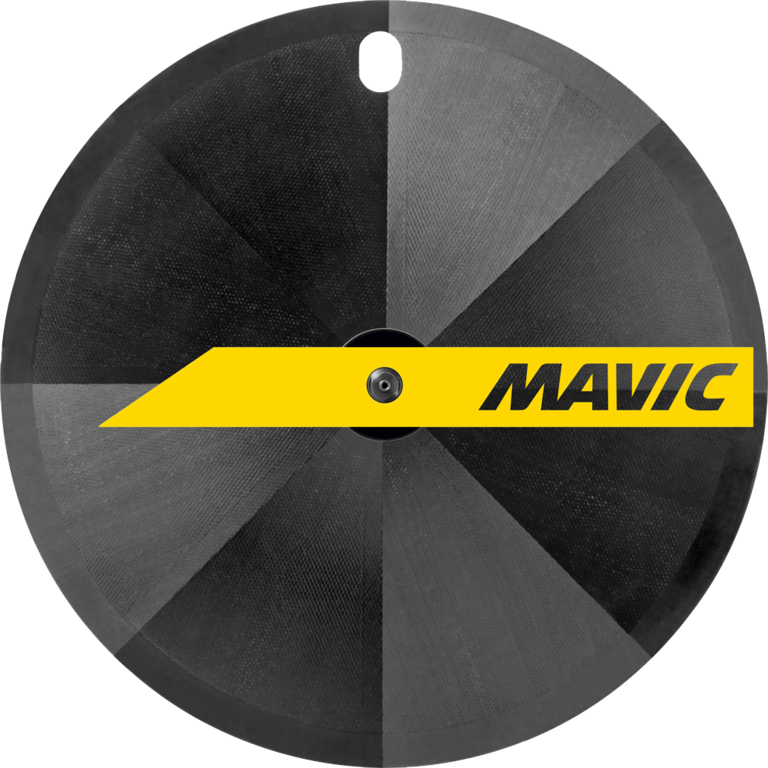
Every detail of their design has been meticulously crafted to deliver a renewed track experience with every lap. Aerodynamic spokes (not to mention lenticular discs) minimize air resistance, while the aluminum or carbon construction combines strength and lightness for exceptional stability and handling.
Built for the most dedicated enthusiasts — for a track experience that will take your breath away.
Track bicycle wheels are specifically designed to deliver optimal performance in velodromes.The main questions surrounding these wheels concern their aerodynamics, the stiffness required for sprints, the ideal rim size and width for peak performance, the materials used, the relevance of disc wheels in competition, and the management of spoke tension.Other common topics include the choice between fixed and freewheel setups, the impact of spoke count on speed, and the best maintenance practices to ensure consistent performance.