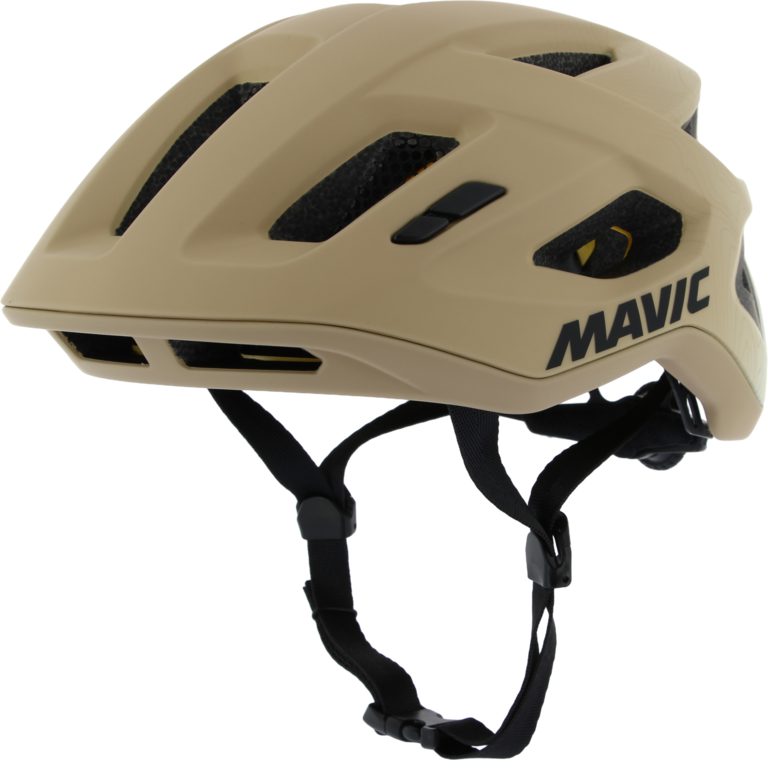
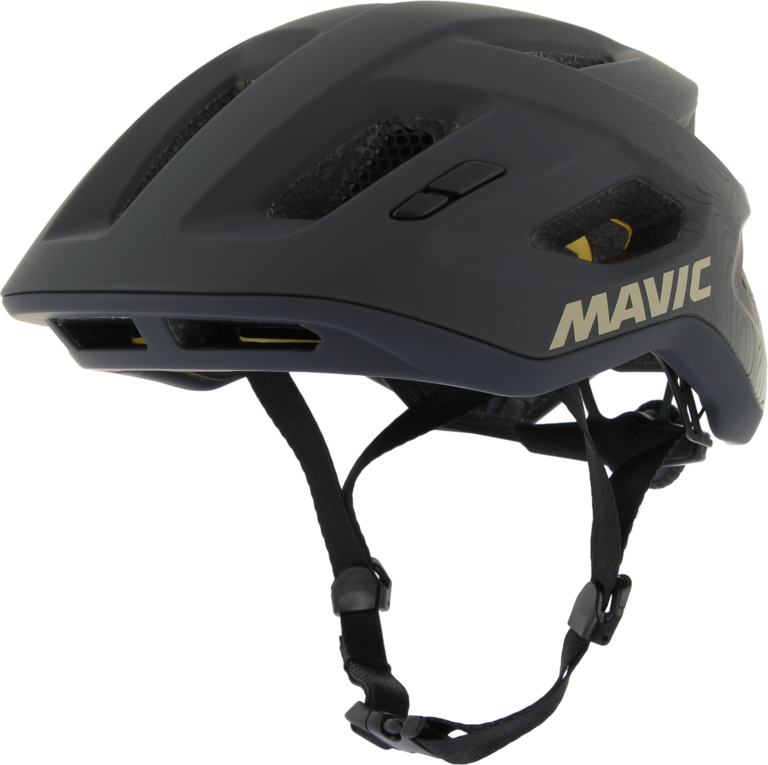
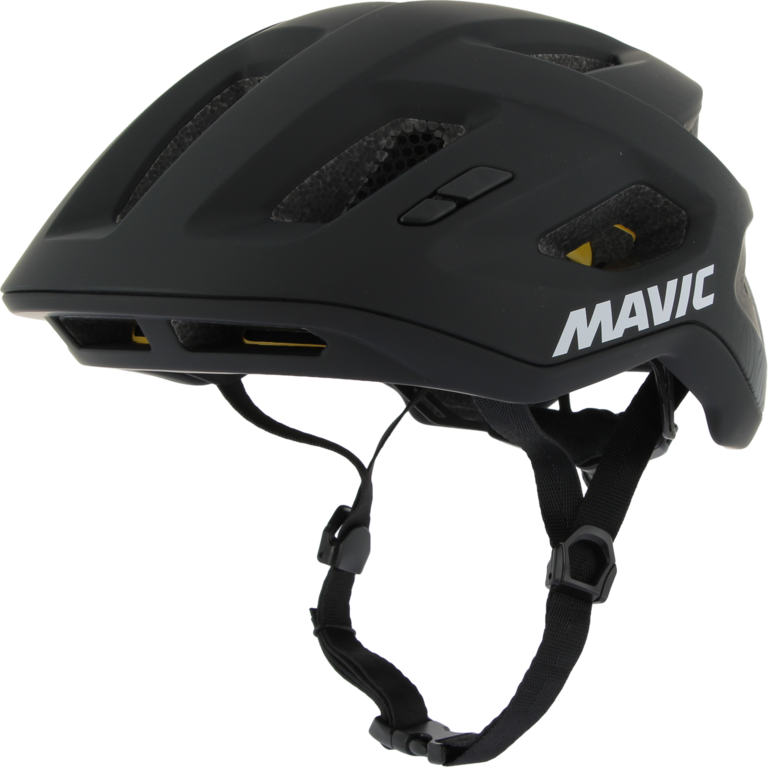
€99.00

A MTB helmet must meet specific criteria: protection of sensitive areas, a secure fit, ventilation on climbs and comfort during long rides.
The Mavic teams sum it up well:
At Mavic, our approach is to work on the whole package: helmet, fit and ventilation to meet these different needs.
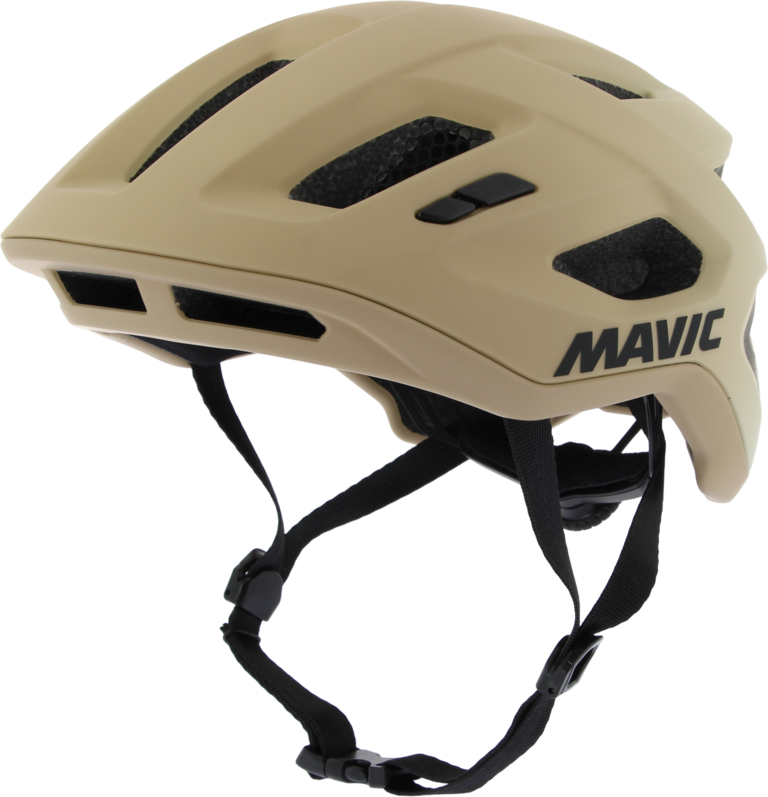
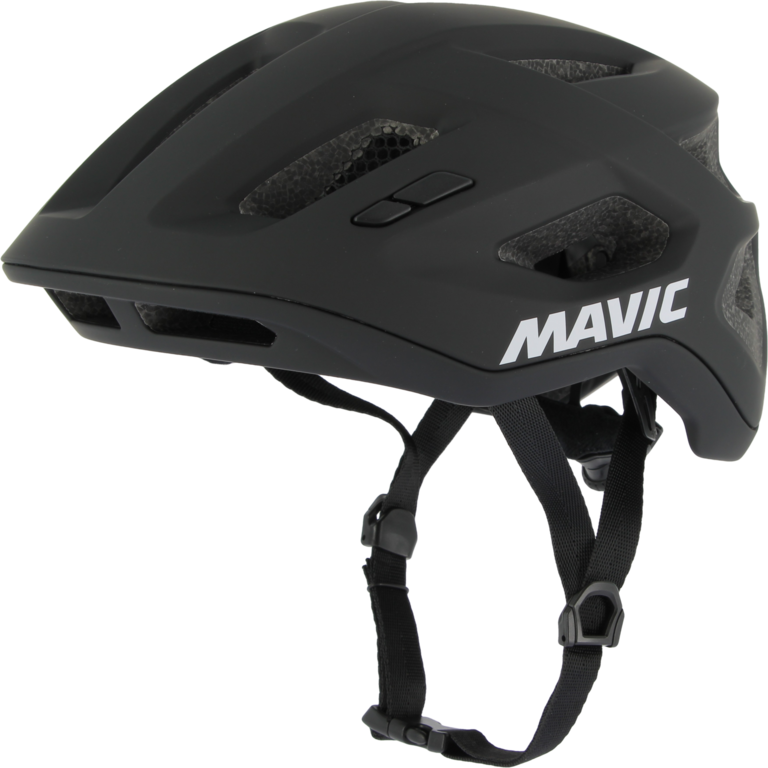
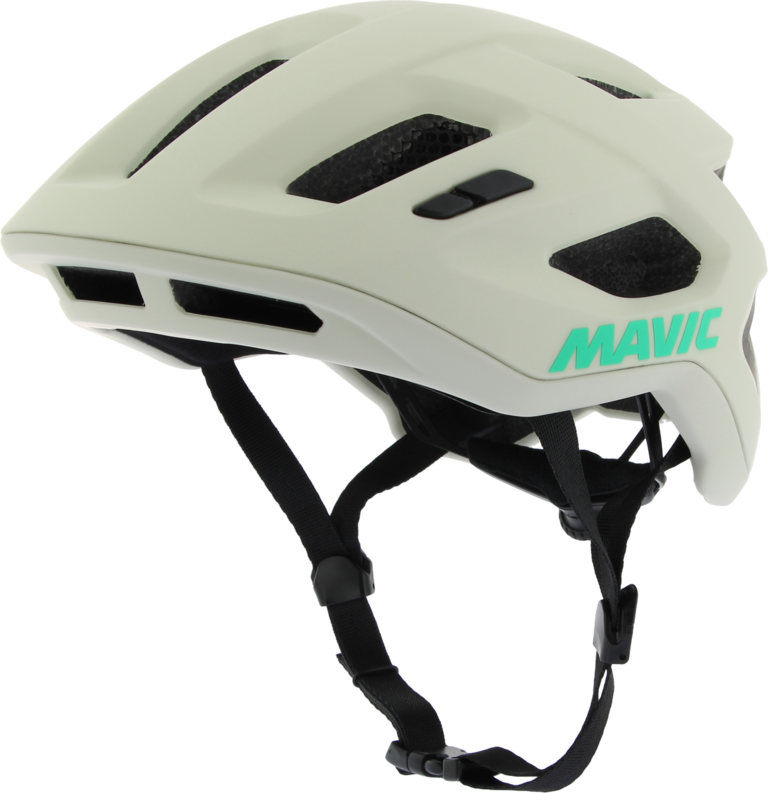
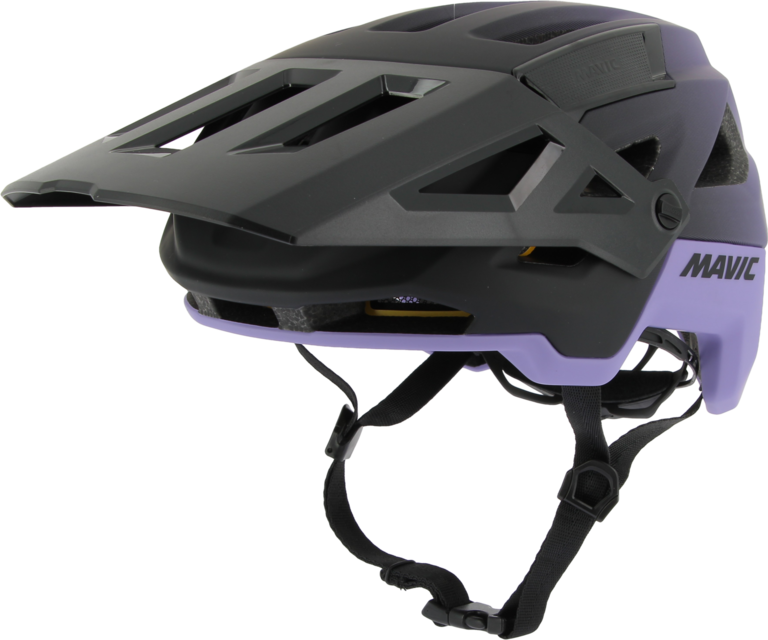
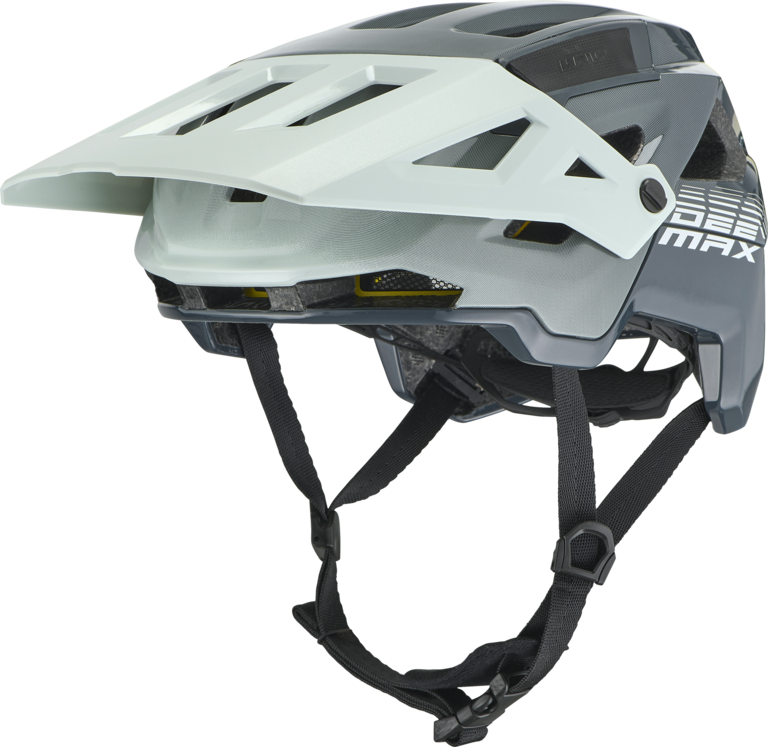
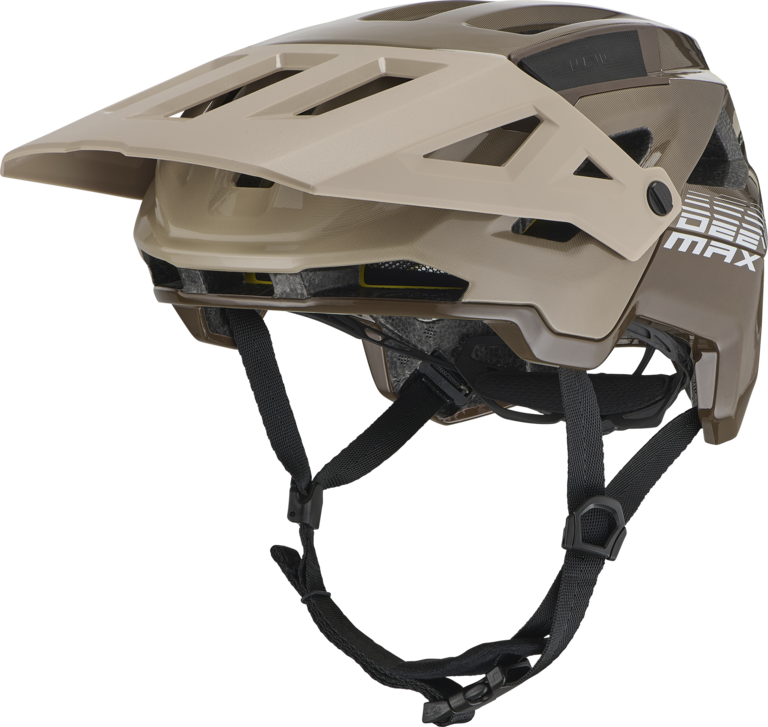
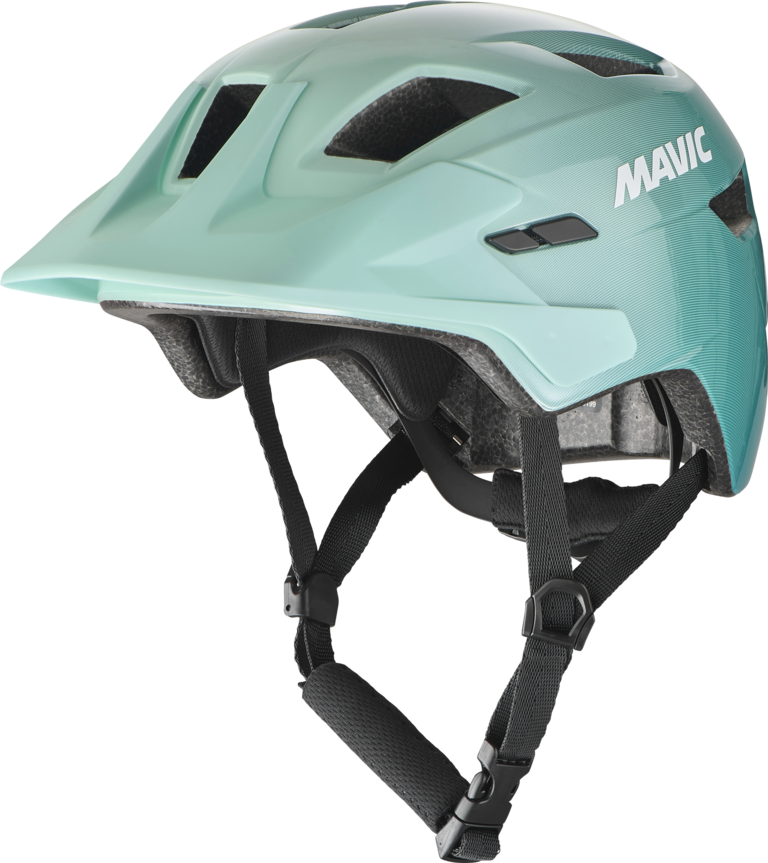
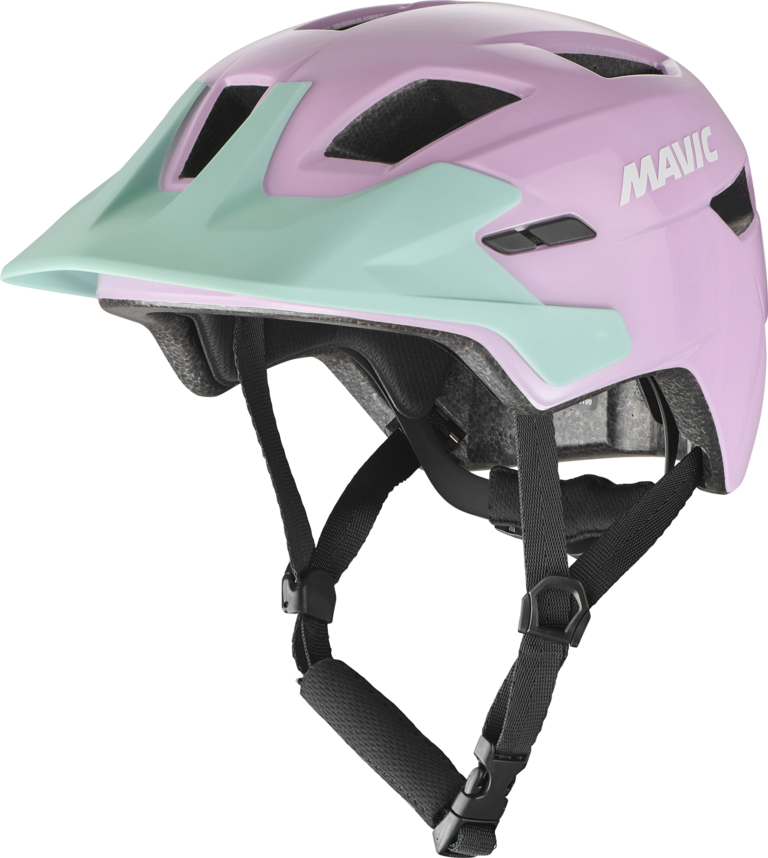
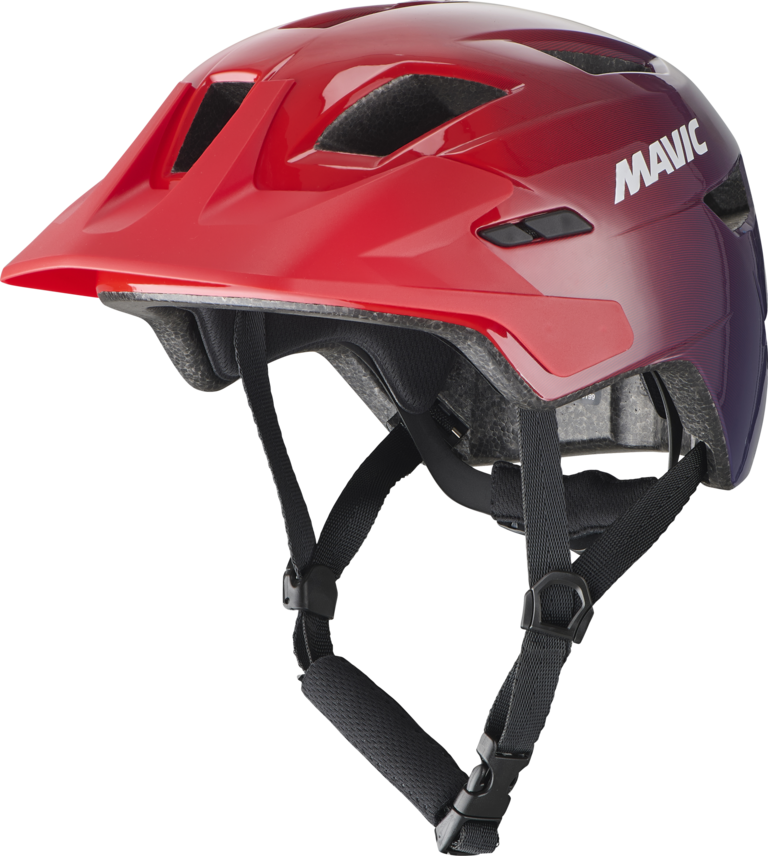
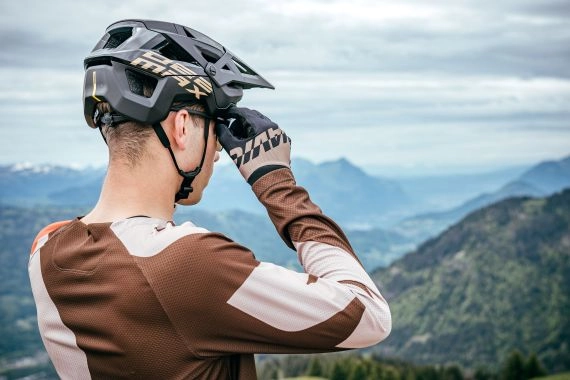
A mountain bike helmet must provide broader protection than a road helmet, particularly around the temples and at the back of the head. On a trail/enduro-oriented model such as the Deemax Pro MIPS, the coverage is advertised as extended across these areas, for more comprehensive protection on challenging trails.
Mountain bike crashes aren’t always head-on. During an oblique impact, rotational forces can be significant.
This is where the MIPS system comes in: it allows for a slight internal movement to help reduce the rotational force transmitted to the head in certain situations.
Depending on the model, you’ll find either MIPS (Deemax Pro MIPS) or MIPS Evolve Core (Deemax Trail).
The visor is not merely a decorative feature. It serves to reduce glare, protect against flying debris (mud, rain, dust) and can help deflect small twigs. On the Deemax Pro MIPS, the multi-position visor is designed to maintain visibility in ‘roots & rocks’ situations.
The ideal helmet is the one you forget you’re wearing. When mountain biking, it’s also the one that stays secure when you shake your head or the terrain gets rough.
Mavic uses dedicated fit systems depending on the model:
Ergo Hold SL+ (Deemax Pro MIPS) with multi-position adjustments,
Ergo Hold SL (Crossride SL Elite) for quick, one-handed adjustment,
and an ErgoHold retention system on the Junior Explorer.
On the Deemax Trail and Junior Explorer, the Lockstrap straps allow you to lock in your adjustment so you don’t have to worry about it whilst out riding.
Comfort comes from contact with the head. On the Deemax Pro MIPS, XRD foam is a shape-memory foam that improves the fit and absorbs vibrations. Coolmax® foams absorb heat and wick away sweat.
On the Crossride SL Elite, 37.5® technology is designed for active heat and moisture management to keep you comfortable on long rides.
During a climb, a helmet with poor ventilation quickly becomes a nuisance. Effective ventilation does not depend solely on the number of vents: it depends on airflow and the ability to expel hot air.
On the Deemax Pro MIPS, front vents connected to internal channels ensure ventilation whilst riding.
On the Deemax Trail, its design ensures good ventilation during trail rides.
Practical details matter:
Glass Garage on the Deemax Pro MIPS (spectacle storage in both directions)
Dual Glass Garage on the Deemax Trail (at the front and rear).
The Deemax Pro MIPS is compatible with a goggle, and some models feature an insect net over the front vents.