€529.00
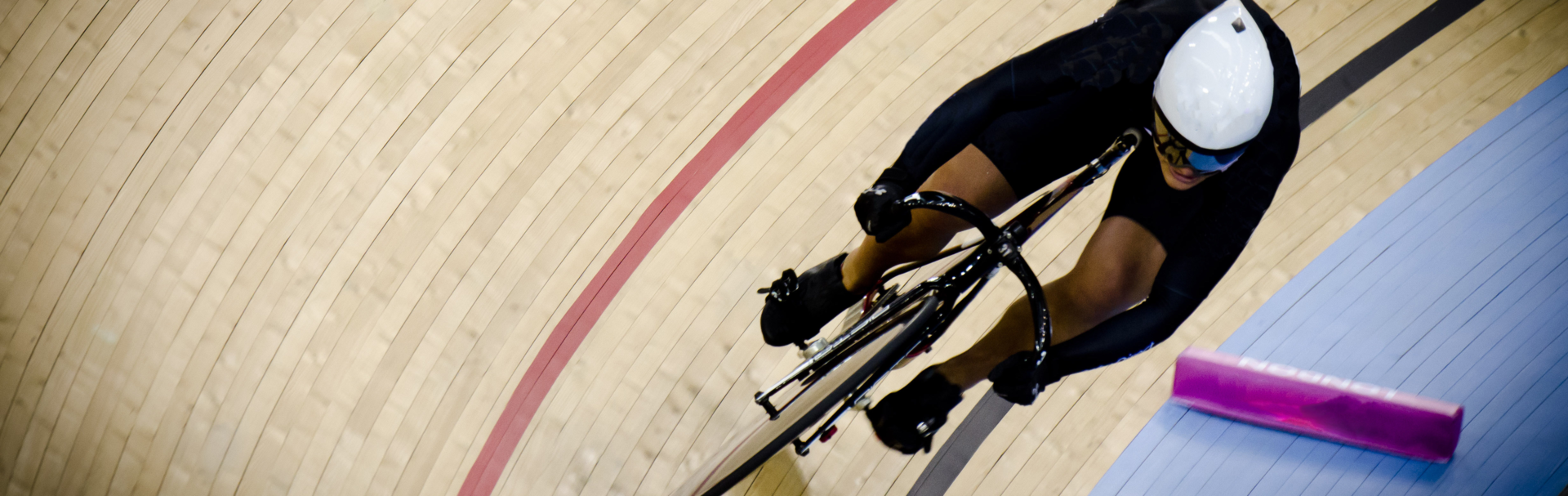
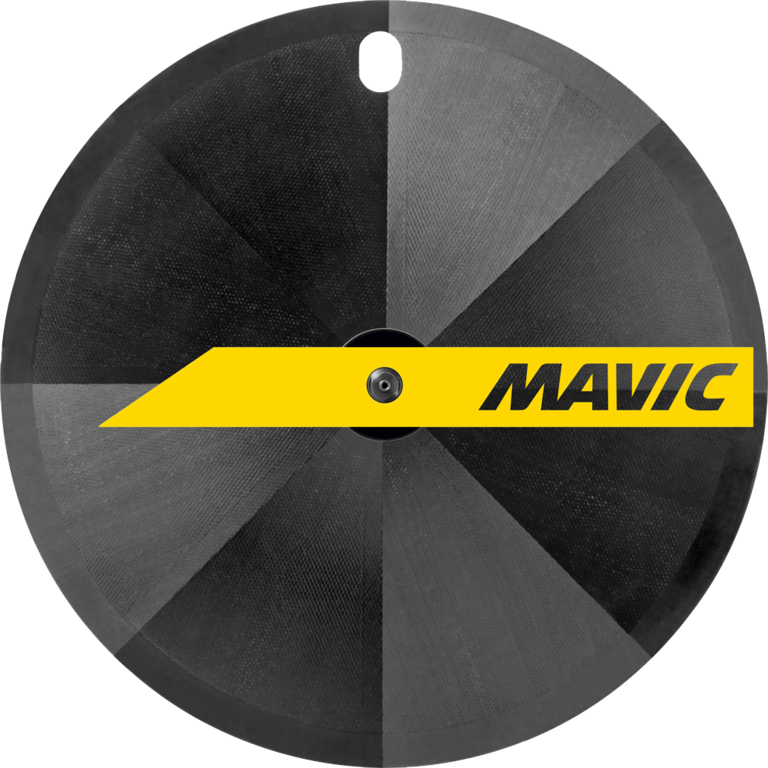
In the competitive environment of velodromes, every fraction of a second counts. The aerodynamics of the wheels reduce air resistance, allowing the cyclist to reach higher speeds with less effort. Profiled rims, as well as solid wheels with lenticular flanges, are often preferred to minimise this resistance and optimise speed.
Stiffness plays a crucial role, especially during explosive sprints. A stiff wheel efficiently transfers pedalling power to the track, without any loss of energy due to the wheel flexing. This enables rapid acceleration and the maintenance of speed. Materials such as carbon are often chosen for their combination of stiffness and lightness.
On velodromes, bikes are fitted with fixed-gear wheels, which means the pedals are always moving as long as the wheel is turning. This setup gives the cyclist total control, allowing for quick speed adjustments and a better connection with the bike. A freewheel, on the other hand, allows the pedals to remain stationary even when the wheel is moving, but this feature is not favoured in track cycling.
In the competitive environment of velodromes, every fraction of a second counts. The aerodynamics of the wheels reduce air resistance, allowing the rider to reach higher speeds with less effort. Profiled rims, as well as solid wheels with lenticular discs, are often favored to minimize drag and maximize speed.
Stiffness plays a crucial role, especially during explosive sprints. A stiff wheel efficiently transfers pedaling power to the track, minimizing energy loss caused by wheel flex. This results in faster acceleration and better speed maintenance. Materials such as carbon are often chosen for their ideal combination of stiffness and lightness.
On velodromes, bikes are equipped with fixed-gear wheels, meaning the pedals keep moving as long as the wheel is turning. This setup gives the rider full control, allowing quick speed adjustments and a stronger sense of connection with the bike. A freewheel, on the other hand, allows the pedals to remain stationary while the wheel is still moving — but this feature is not favored in the track environment.
It depends on the event and the regulations (UCI/organiser). Some set-ups are permitted under certain conditions, whilst others are not, depending on the discipline. The best approach: check the race/velodrome regulations before turning up with a “full aero” setup.
On the track, many set-ups typically use 9x100 at the front and 9x120 at the rear. The iO and Comète Track specifications list these axle sizes (front 9x100; Comète rear 9x120). Always check compatibility with your frame/fork before purchasing.
The flip-flop allows you to fit two sprockets (two gears) and switch quickly between them: very useful when you’re alternating exercises (start-stop, pursuit, sprint) or when you’re sharing the track with riders of different abilities.
There is no one-size-fits-all answer: the correct pressure depends on the tyre, your weight, the type of track (surface), and your objective (performance vs. comfort).
The workshop rule: stick to the manufacturer’s maximum pressure, then fine-tune it to achieve a “responsive” wheel with no wobble or bounce.
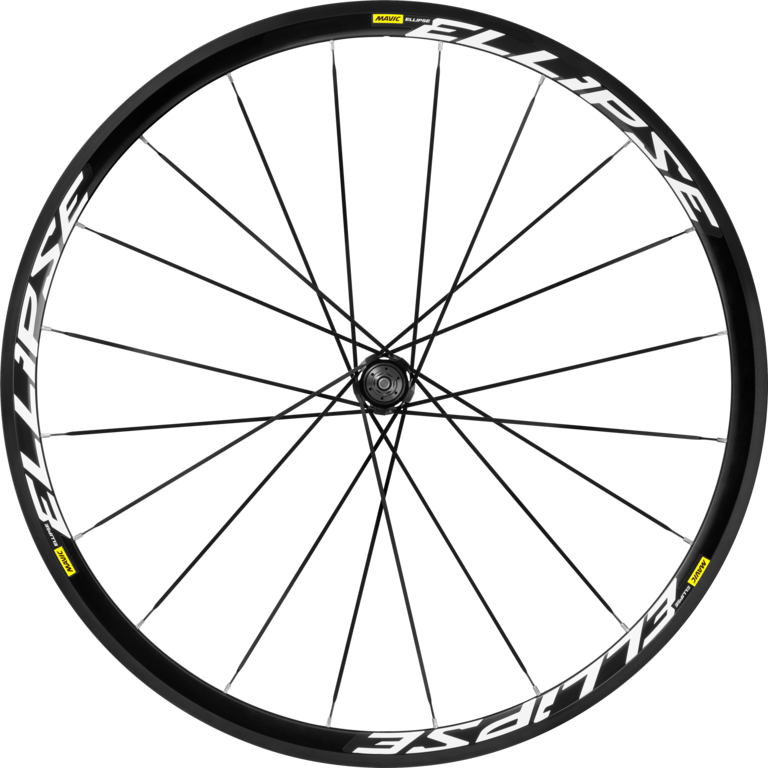
Simple check: lift the wheel off the ground, spin it — listen for any noises, feel for any roughness, and check for play. The Mavic wheels mentioned here feature QRM / QRM+ cartridge bearings: when a wheel starts to lose its smoothness, this is often the first thing to check.
In 2 minutes: