Rims

Rims

Bicycle Rims - For pleasure and performance

RecommendedSort By

These product categories might interest you

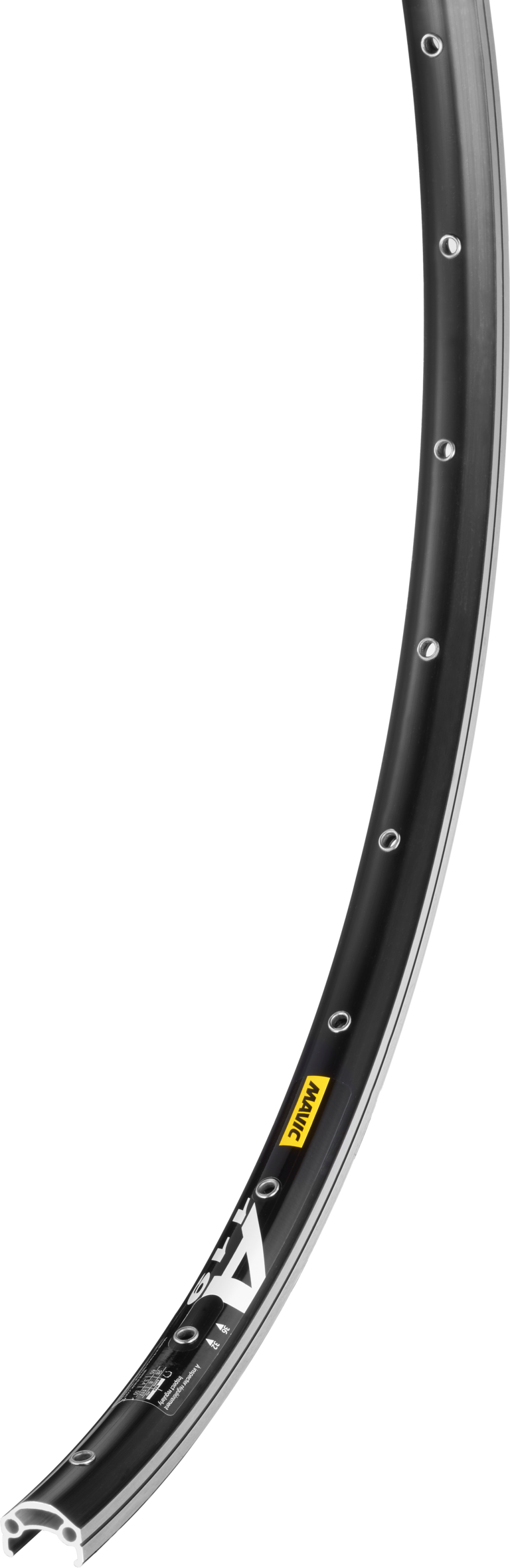
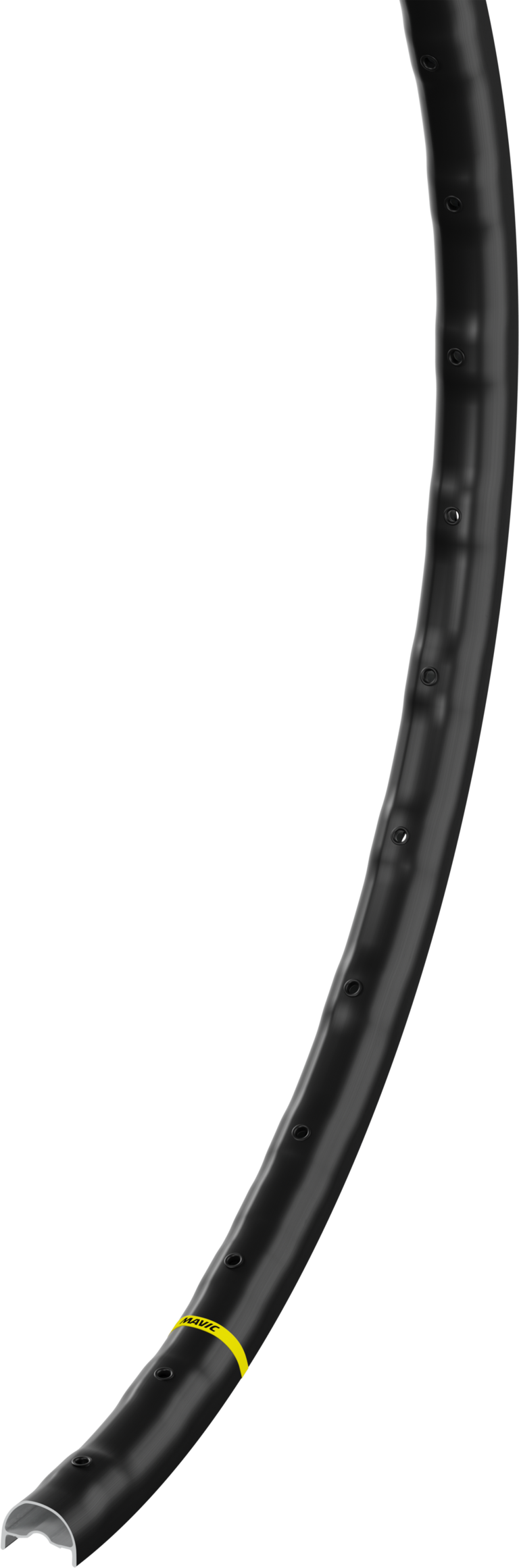
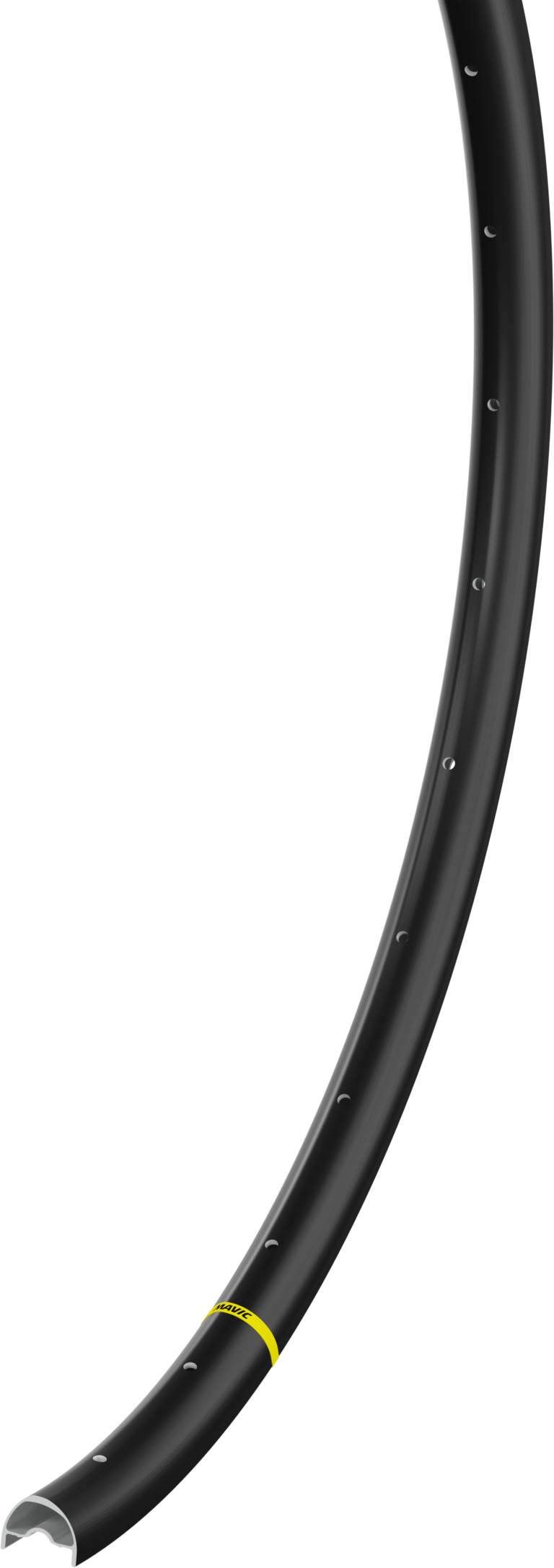
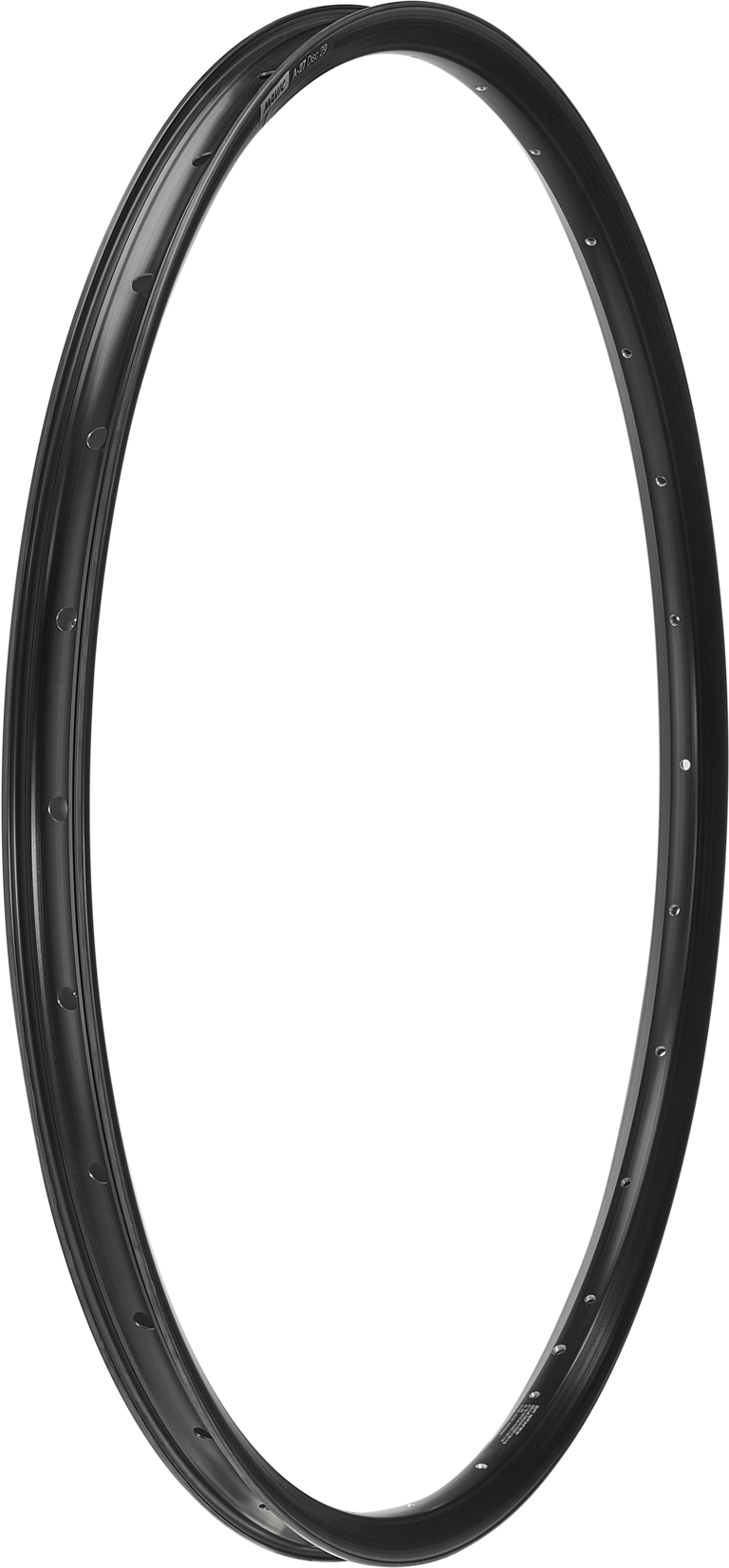
Bicycle rims, regardless of their use or the type of bike, are central to the cyclist's performance, comfort, and safety. Key questions often revolve around materials (aluminum, steel, carbon), rim profile height, maximum supported weight, the benefits of tubeless rims, the influence of rim width on handling, compatibility with different braking systems (disc or rim brakes), and the impact of spokes on performance. Cyclists also wonder about the behavioral differences between light and heavy rims, weather resistance, and how to optimize their durability.

What are the advantages and disadvantages of aluminum rims compared to carbon ones?


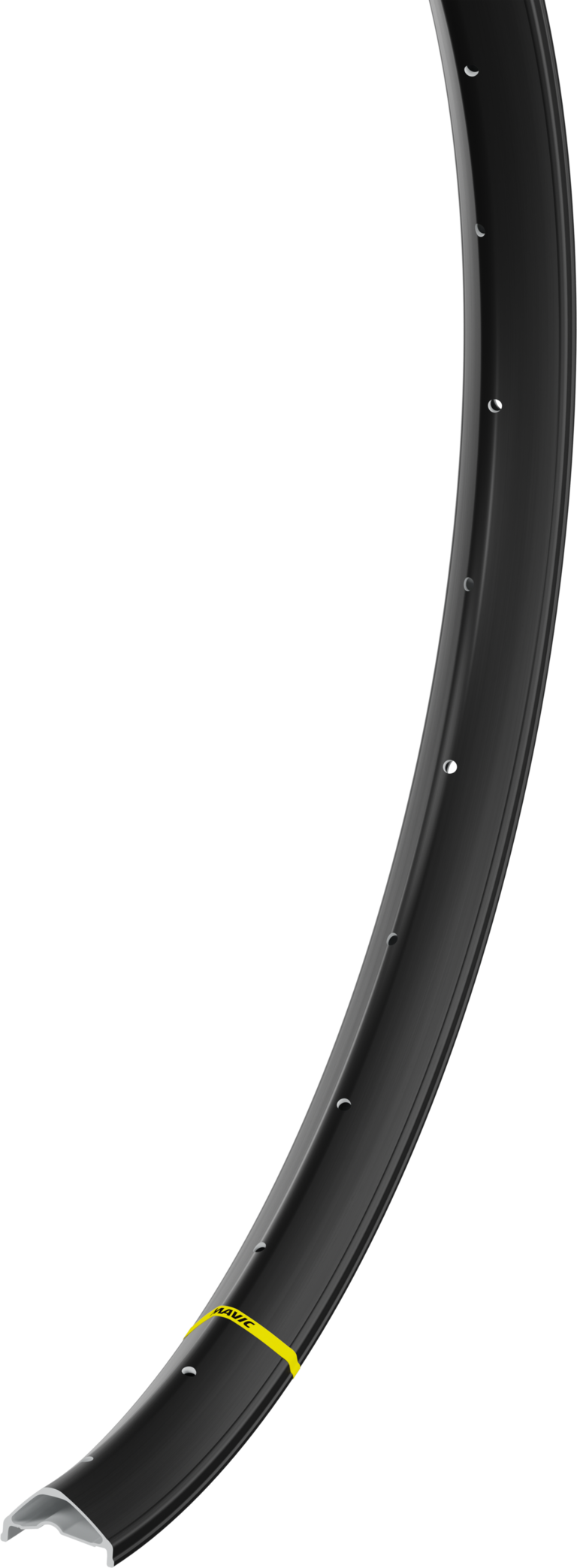
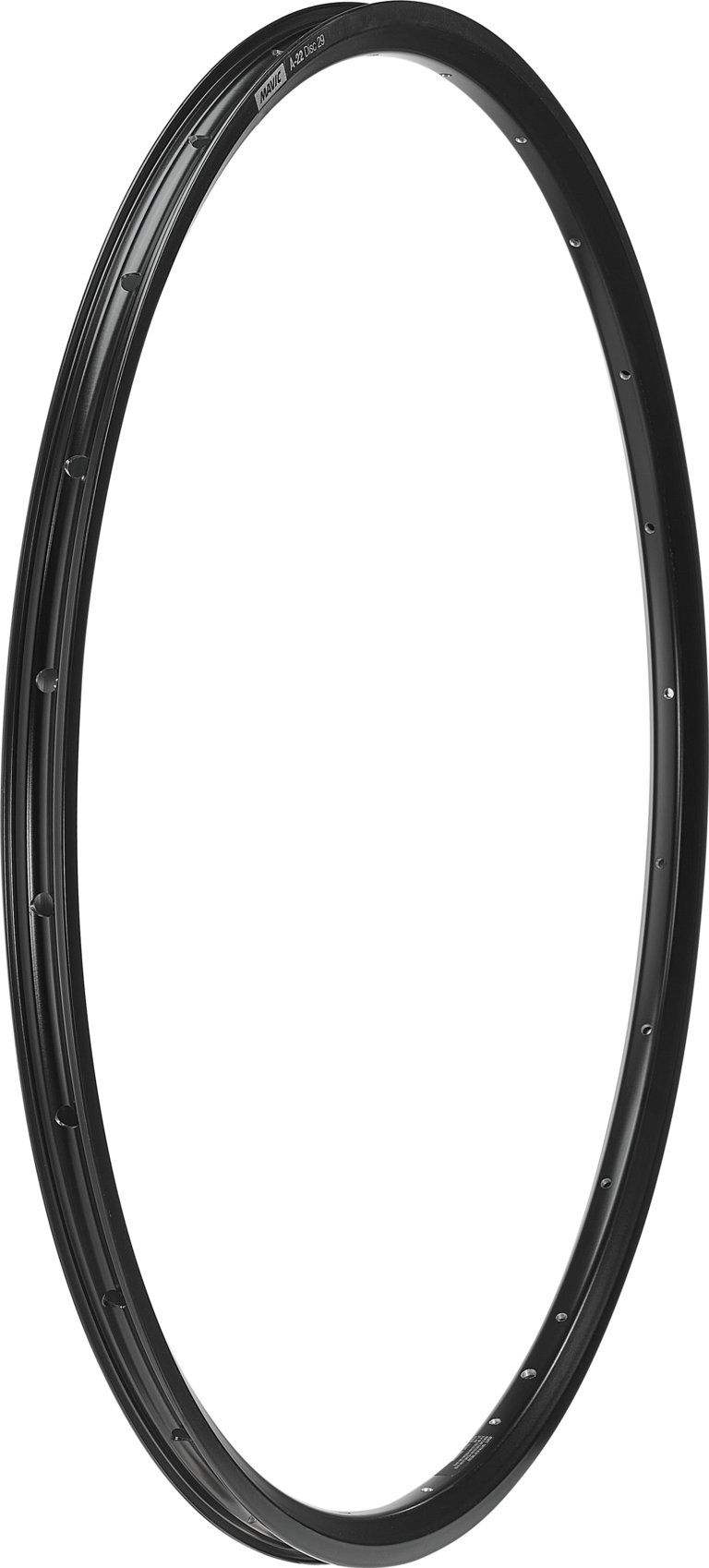
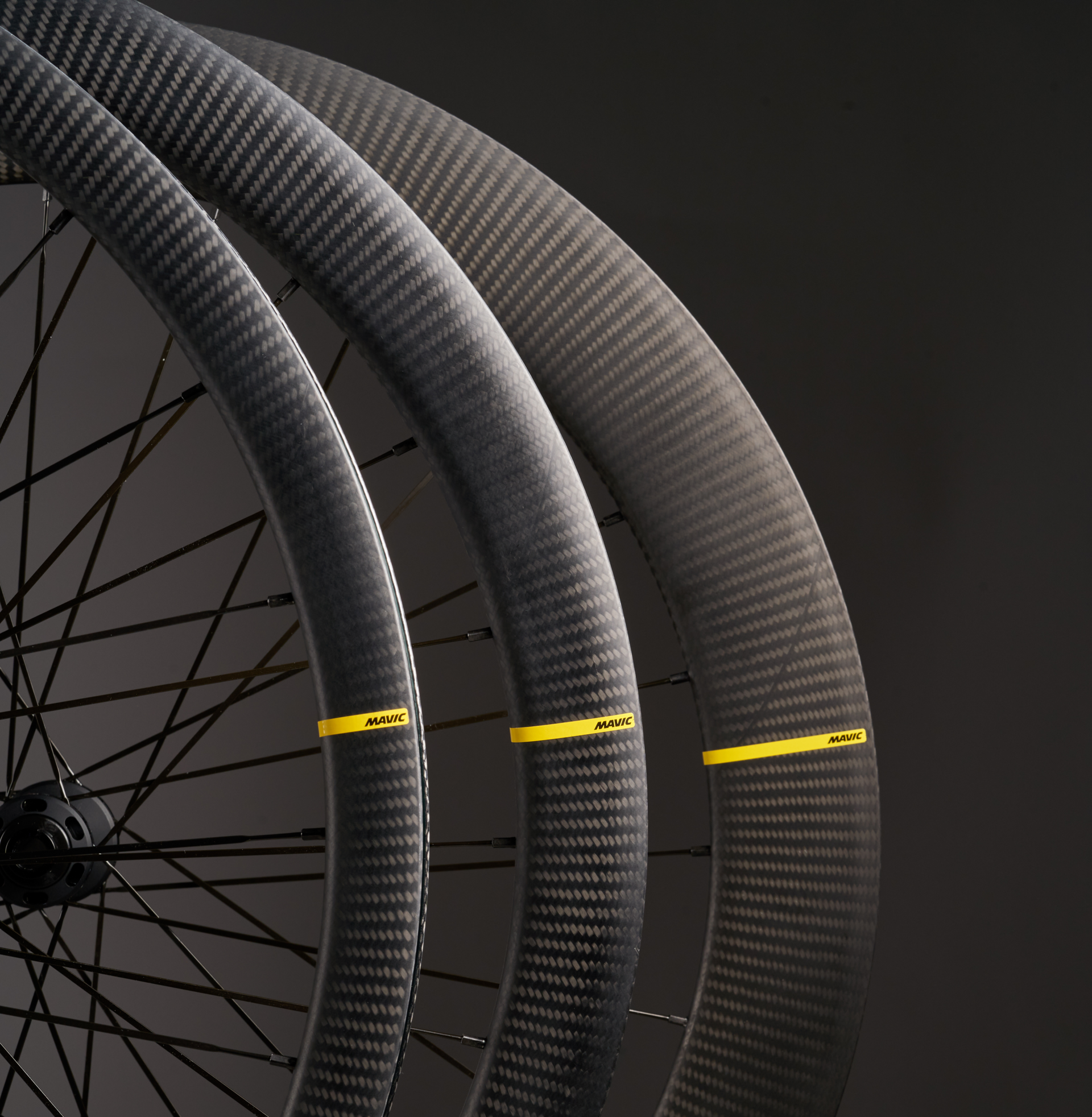
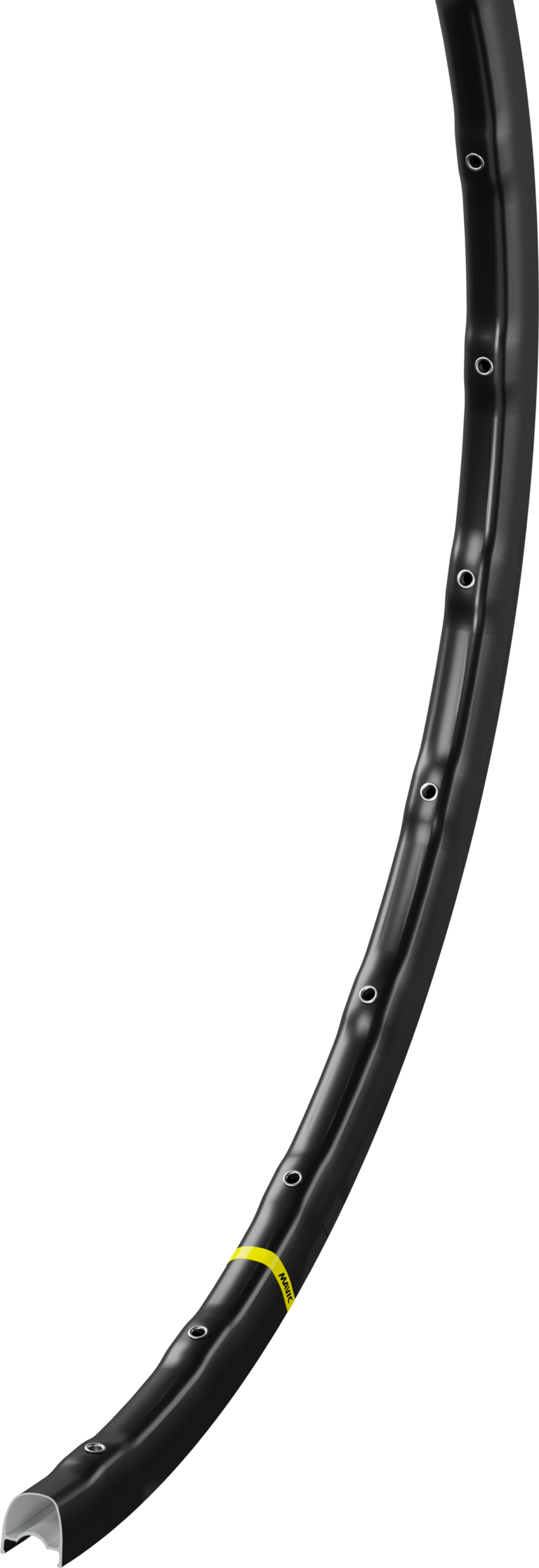
Aluminum rims are known for their durability, corrosion resistance, and lower cost. They offer an excellent balance for most uses. Carbon rims, on the other hand, are generally lighter, offering better aerodynamics and stiffness, but they can be more expensive and less durable in certain conditions.

How does rim profile height affect bike performance?


The height of the rim profile has a direct impact on the bike’s aerodynamics, stiffness, and stability. A high-profile rim is more aerodynamic and favors straight-line speed but can be more sensitive to crosswinds. A low-profile rim offers better handling and is generally preferred for hilly or technical terrain.

What is the importance of rim compatibility with braking systems?


Rim compatibility with the braking system is crucial to ensure the cyclist's safety. Rims designed for rim brakes have a specific braking surface, whereas those intended for disc brakes do not. Using a rim not suited for the braking system can compromise braking efficiency and pose a danger.

1 / 3