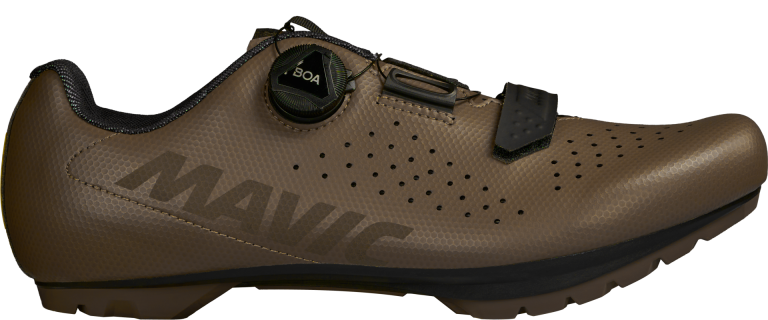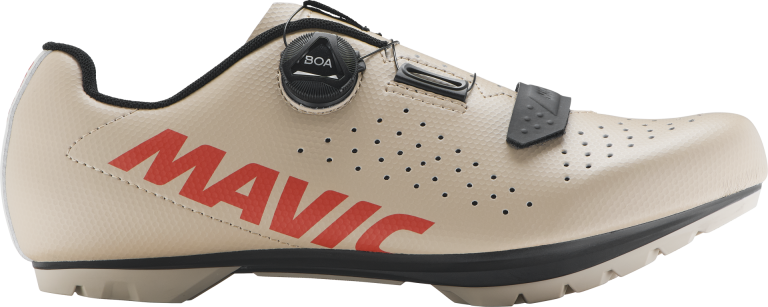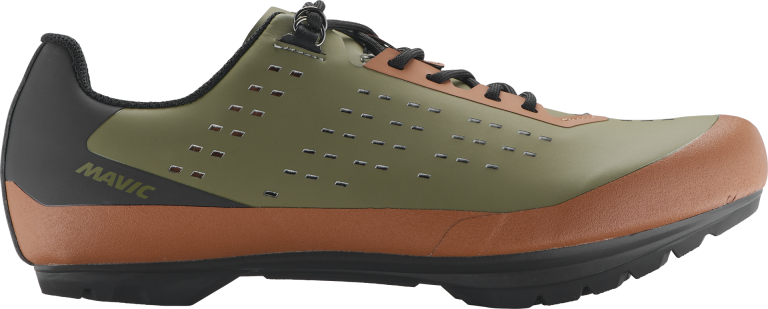
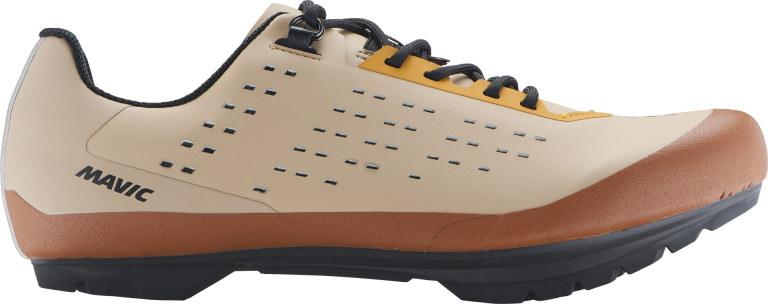
$299.00
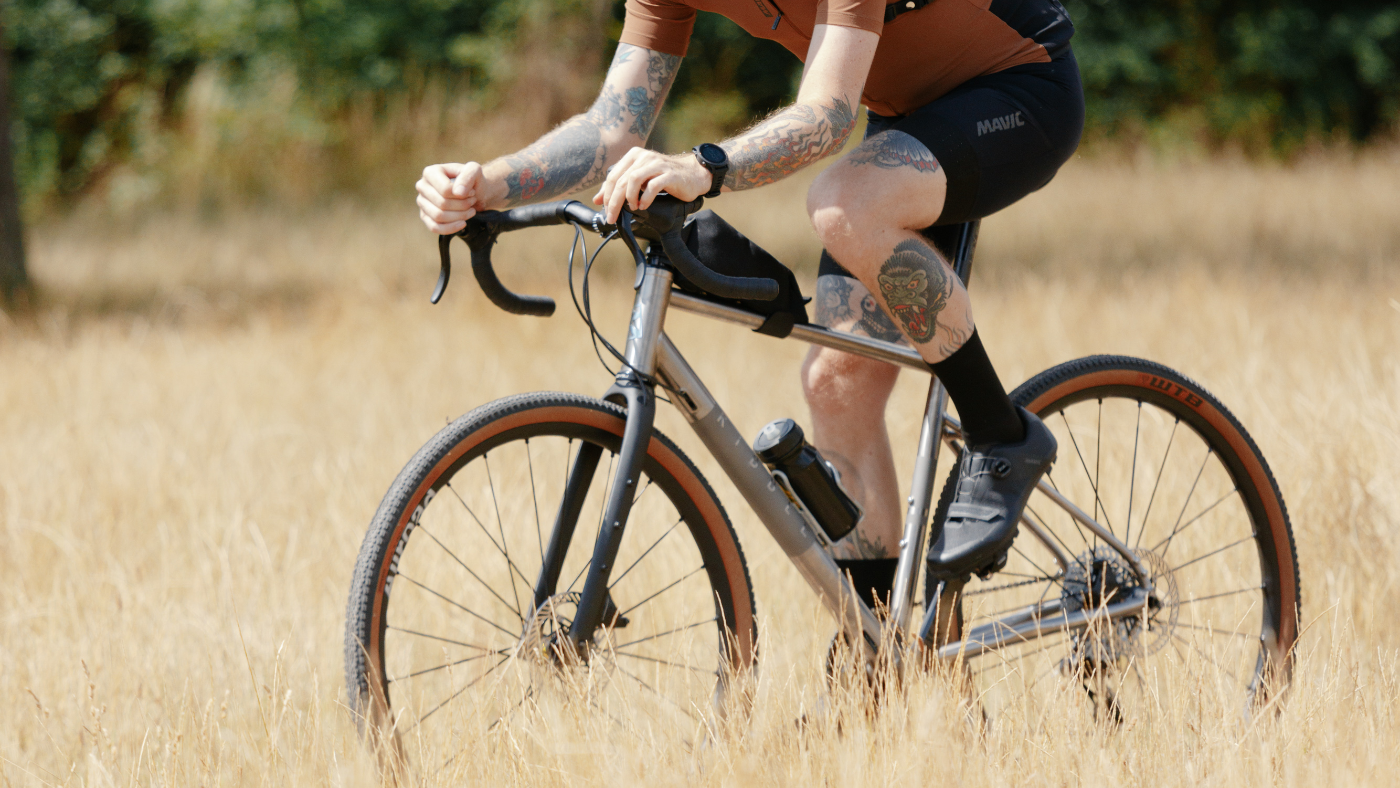
Because when riding gravel, you get off your bike more often. A gravel shoe is designed for safer walking thanks to a lugged sole and a more integrated cleat.
You maintain good pedaling efficiency while being more comfortable during stops, when carrying your bike, or on technical sections.
For gravel riding, you often want a medium level of stiffness: firm enough to pedal efficiently, but not so stiff that it becomes uncomfortable when walking.
A sole rated as medium, such as the Cosmic BOA SPD’s 50 rating, is suitable for most mixed-terrain rides.
The most common standard for gravel riding is the two-bolt cleat, such as SPD, because it’s more practical for walking and better suited to dusty conditions.
Road cleats are very efficient for pedaling, but less suitable when you need to put your foot down and are designed exclusively for road bike shoes.
Yes, because your foot shifts position during the ride, especially in hot weather. The micro-adjustment feature lets you loosen or tighten the fit slightly without stopping. It’s also a good way to distribute pressure across the instep, helping to prevent pressure points.
Your heel should be firmly secured, without any wobbling, and the front of your foot should have reasonable room.
Ideally, try them on at the end of the day and with your cycling socks on. Proper fit should not create any pressure points on the top of the foot.
For online orders:
- Measure your foot at the end of the day while wearing a pair of socks.
- Refer to the size guide.
Clean them with a soft brush and warm water, then let them air dry away from any heat source.
Regularly check the cleats and screws, which can come loose due to vibrations.
Simple but regular cleaning extends the lifespan of your shoes and keeps the cleats secure.