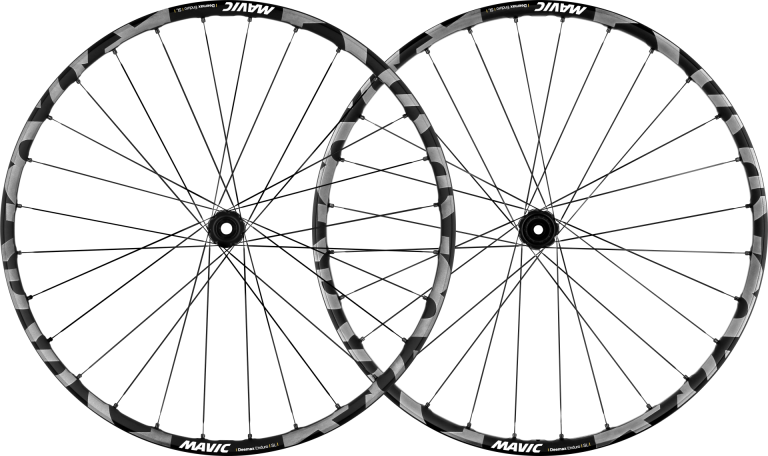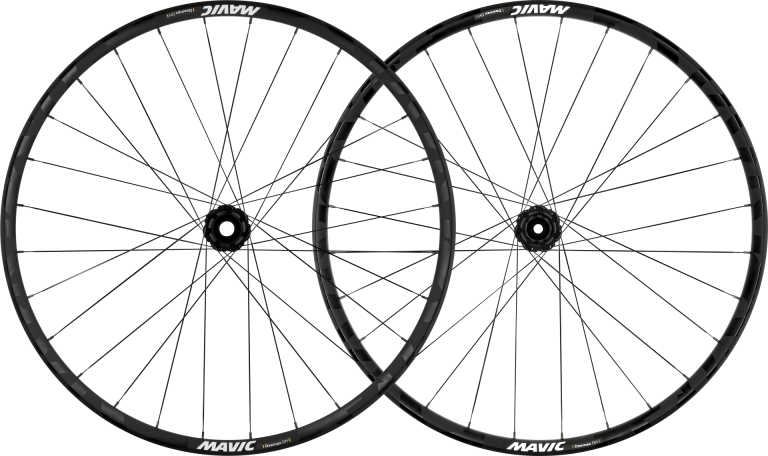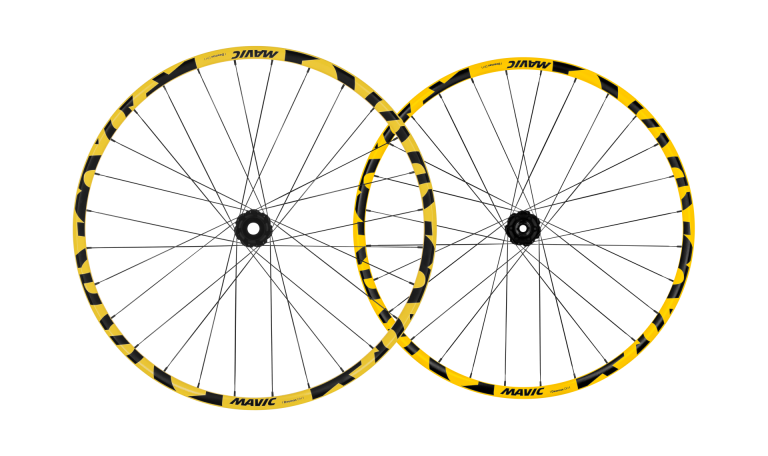
DH/Enduro Wheels

Mavic Gravity Aluminum Wheels: Built to Take a Beating

In gravity riding, gear is judged on the trail: hard impacts, landings, late braking, and sharp rocks. A wheel must withstand these conditions without losing its performance: staying precise,...


RecommendedSort By
In gravity riding (enduro, park, DH), a wheel must not just be “solid”: it must stay true, maintain tension, keep the tubeless seal intact, and remain precise despite impacts, compressions, landings, and hard braking. Do you have questions about rim strength (welded), tubeless/pressure, warping and spokes, and hub/bearing maintenance? Here are our workshop tips for riding hard… and lasting long.
FAQ
DH wheels are designed to be extremely strong and robust, to withstand the roughest terrain and the biggest jumps. Although they are often heavier, this strength is essential. Enduro wheels, while needing to be robust, strike a balance between strength, weight and versatility to cope with the diversity of terrain encountered.
Wheel size in enduro and DH is hotly debated. 27.5" wheels generally offer superior handling, which is advantageous in highly technical or twisty sections. They allow for quick changes in direction and are often perceived as more playful. 29-inch wheels can negotiate obstacles more easily thanks to their greater inertia, and offer greater stability at high speeds. They can feel less agile in certain situations. The choice depends on riding style, terrain and personal preferences.
 
Tubeless is almost essential in DH and enduro. It reduces the risk of pinch punctures, allows lower pressures for better traction and eliminates the weight of the inner tube. This configuration also provides lower rolling resistance and an extra sense of damping, while allowing for quick repairs in the field with plugs in the event of a puncture.