$20.00
Response delays to inquiries from Oct 7 to 19. Order fulfillment as normal.
Good cycling glasses help maintain clear vision and protect your eyes during rides as conditions change: low-angle sunlight, rides through the woods, wet roads, wind, and flying debris.
Mavic prioritized: comfort and fit, ventilation and anti-fog, lens coverage, and field of view.
The Mavic MVS range addresses these points with two families:
The first choice is the lens. Lenses that are too dark in the woods cause eye strain and slow down your ability to read the terrain; lenses that are too light in direct sunlight force you to squint. Mavic offers categories tailored to specific uses:
Photochromic lenses are particularly useful if you ride in variable conditions: early starts, forest trails, clouds, and sunshine. On photochromic models, the lenses transition from CAT.1 to CAT.3 and cover a wide range of light transmission.
Result : you maintain clear contrast without changing lenses.
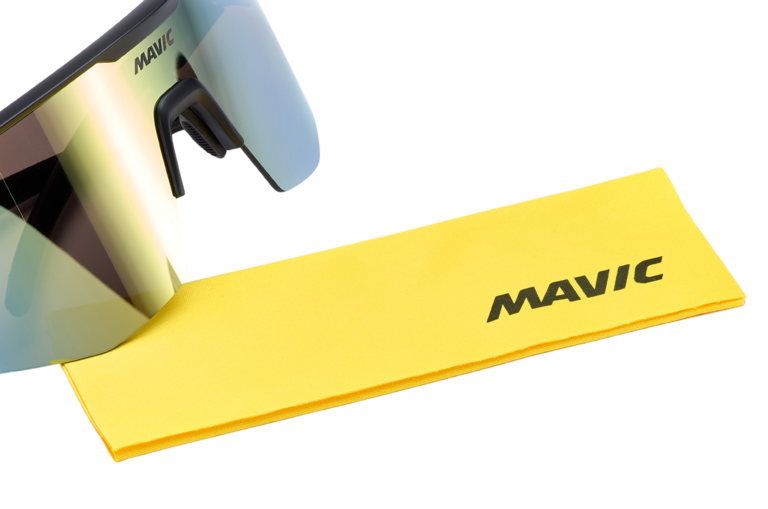
On the road, the lenses collect dust, sweat, and sometimes splashes. An oleophobic coating limits the adhesion of dirt and makes cleaning easier.
All MVS lenses offer 100% UV protection, an essential feature for long rides, especially at high altitudes or on very bright roads
Shield: open field of view, unobstructed peripheral vision
The half-frame design and lack of a lower rim clear the view, and the cylindrical lens improves peripheral vision.
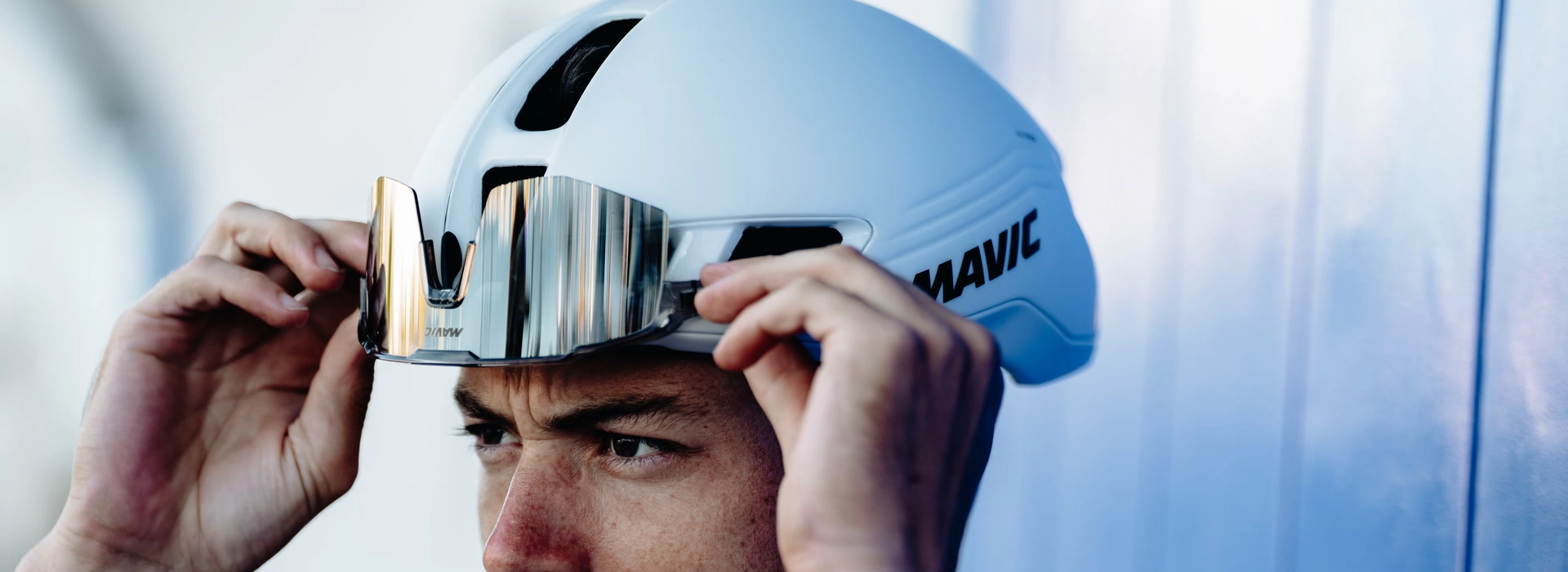
Aeroframe: 3D coverage, integrated ventilation, and helmet compatibility
Features a spherical lens offering extensive coverage, with two vents designed to manage airflow and reduce fogging
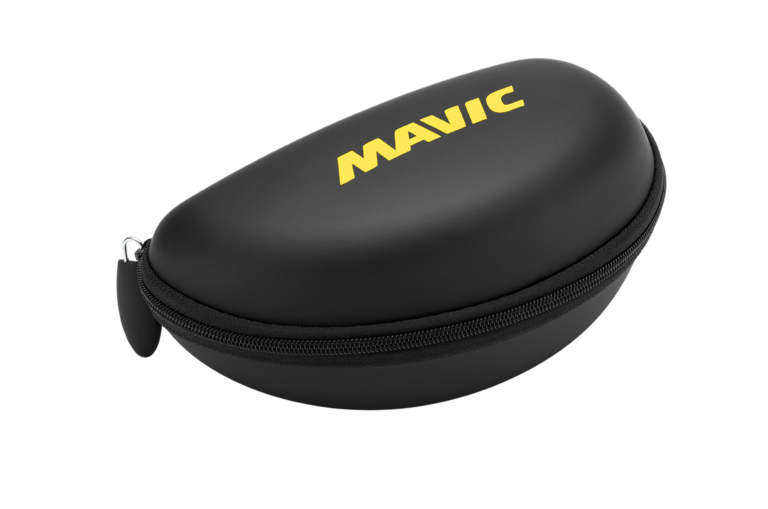
Lenses rarely get scratched while riding, but often do so in a bag or pocket. A dedicated semi-rigid case allows you to transport and store your glasses with greater peace of mind, especially if you ride often.
• If you ride often in direct sunlight: opt for CAT.3 lenses.
• If you ride in mixed conditions (sun/clouds/shaded trails): CAT.1–3 photochromic lenses eliminate the need to switch glasses.
• If you ride early in the morning, at night, or in the rain: clear CAT.0 lenses improve visibility on the road.
• If you’re prone to fogging: choose a model with built-in vents and ensure a snug fit under your helmet.
• If you want a very wide field of view: opt for a ‘Shield’ design without a lower frame.
Common questions about Mavic cycling glasses include: lens type, the benefits of photochromic lenses, fogging, helmet compatibility, and lens care. Here are simple, practical answers to help you choose a pair suited to your rides.