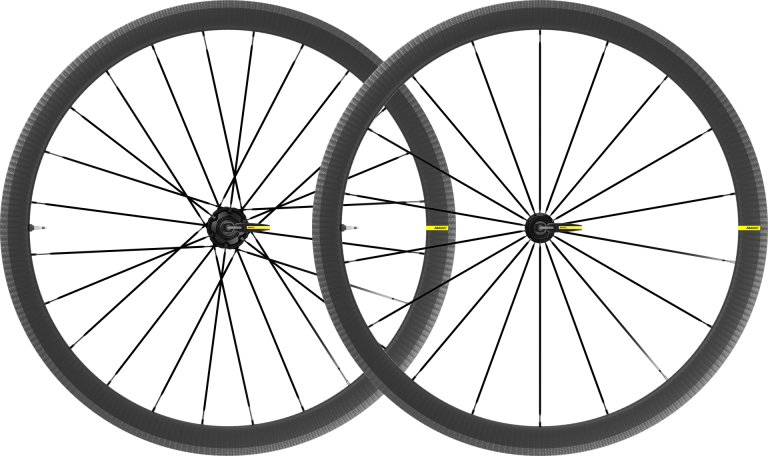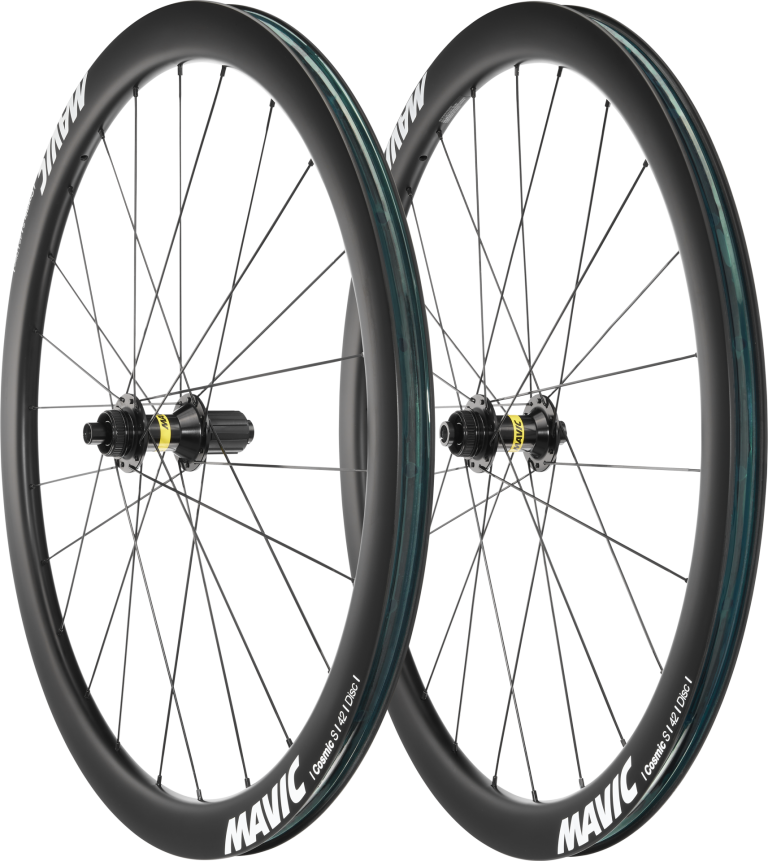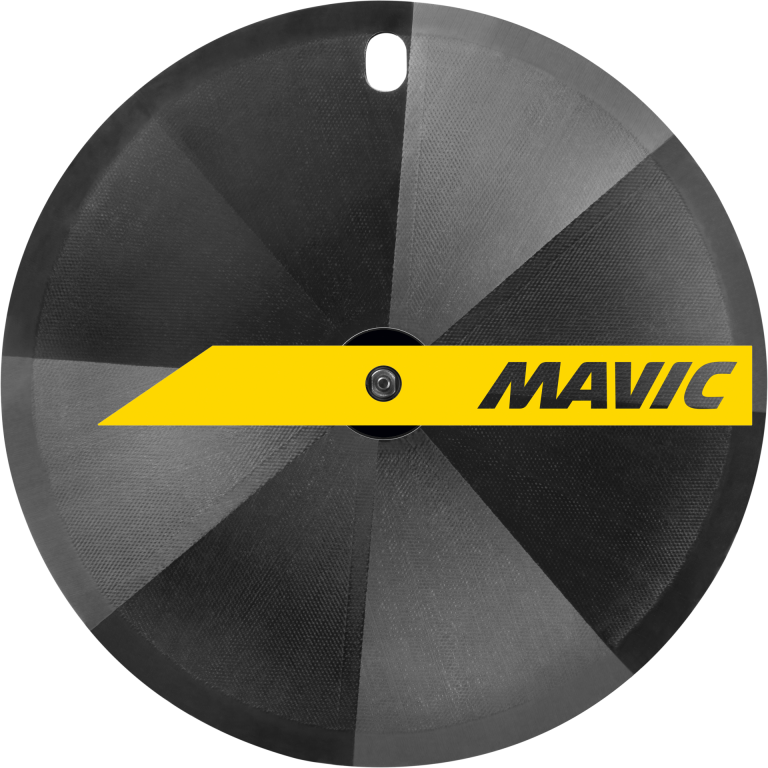
High-performance carbon road wheels: Mavic expertise

Mavic carbon road wheels: lightness, stiffness, and efficiency

At Mavic, a carbon road wheel is more than just a number on a spec sheet. It's a complete system designed around a set of specifications: rim profile, internal width, architecture, choice of...


RecommendedSort By

Designed, developed, and tested according to our standards

Our R&D teams design each wheel to optimize performance without sacrificing control: useful stiffness, stability at high speeds, and consistency in real-world conditions. Validation doesn't stop at a prototype: fatigue, impact, and structural integrity tests, as well as quality controls, are part of the process to ensure consistent performance, ride after ride.

Carbon layup: performance is all about the structure

Carbon is not a "magical" material: it is the orientation of the fibers and the stacking of the layers that make the difference. Draping allows the material to be placed exactly where the stresses are greatest and to adjust the behavior of the rim: responsiveness when accelerating, stability when leaning, and resistance to stress. This structural control is at the heart of Mavic's high-performance wheels.
FORE Carbon: precision, stiffness... and "true" tubeless without rim tape
FORE Carbon technology offers a double benefit: More rigid construction and assembly: the rim/spoke interface area is designed for a more stable and consistent assembly, which translates into precision and responsiveness—a signature feature found on wheels such as the SLR and Ultimate.True tubeless without rim tape: the FORE architecture allows for a rim designed to function tubeless without rim tape. Fewer components, less risk of micro-leaks or problems related to rim tape aging, and a tire/rim interface designed for reliability and ease of use.

Mavic ceramic bearings: reduce friction, increase durability

On the most demanding wheels, such as the SLR and Ultimate, the use of ceramic bearings offers two concrete benefits:

Reduced friction: freer rotation, particularly noticeable when riding fast and for long periods of time. Durability: better performance over time when used intensively (training, long rides, variable conditions), provided that proper maintenance is carried out (no high-pressure washing, sensible cleaning).

A range for riding fast, anywhere

Whether your priority is climbing, accelerating, or maintaining high speed, our carbon road wheels seek the best balance between lightness, efficiency, and stability. Choose your configuration (disc or rim brakes), the pair of wheels suited to your terrain, but always with the Mavic philosophy: measurable performance, but above all, durability.

A high-performance carbon road wheel is not "just lighter." At Mavic, it is a complete system designed around a set of specifications: rim profile, internal width, choice of fibers, layup, spoke tension, hub quality, wheel/tire interface (tubeless), and validation through testing. Our goal is simple: to offer high performance and stable handling without sacrificing long-term reliability—whether you're riding in a group, sprinting hard, or tackling back-to-back descents. Here are the answers to the most frequently asked questions about choosing, using, and maintaining carbon wheels:

It all depends on your main terrain and your style.

  • Hills/mountains/sprints: a lighter rim and a responsive wheel set promote acceleration and changes of pace.
  • Flat terrain/long fast rides: a taller profile provides aerodynamic benefits at steady speeds.

The right choice is not extreme: look for a balance between weight, stability, and rigidity that works for your usual routes.

No. Excessive stiffness can make the wheel more demanding (less forgiving, more "harsh"), especially on rough roads. The goal is useful stiffness: stiffness that provides precise steering and good power transfer without compromising comfort or road holding. At Mavic, we aim for a consistent compromise between rim, spokes, tension, and hub.

The internal width determines the actual volume of the tire, its shape, and therefore its grip, rolling resistance, and stability. A wider rim often allows you to ride with slightly lower pressure for the same cross-section, for greater comfort and control without feeling vague. But be careful to check that this is compatible with your bike.

Tubeless tires mainly offer:

  • fewer punctures due to pinching (no inner tube)
  • better tolerance on poor road surfaces (optimized pressure)
  • efficiency and comfort when the tire/rim combination is well matched

The secret is not that "tubeless = magic," but rather proper installation, the right tire, and correct pressure.

Two common mistakes:

  • Overinflating "by reflex" → loss of grip, fatigue, reduced performance on rough roads
  • Underinflating without sufficient volume → blurred support, risk of bead separation (depending on the system)

The correct pressure depends on your weight, the section, the internal width, whether you are using inner tubes or tubeless tires, and the condition of the roads. A well-designed wheel performs best when the pressure and volume are consistent.

IMPORTANT, when using tubeless tires, it is very important to respect the maximum recommended pressure indicated on the wheel in order to avoid damaging it.

Golden rule: gentle rinsing, neutral soap + drying.

Avoid using a high-pressure jet on the bearings. Clean the rim and the areas around the spoke heads. Then, visually check for impact, chips, cracks, or abnormal friction. Simple but regular maintenance significantly extends the lifespan.

If you ride more than 100 km per week, check the following:

  • play (wheel "clicks" sideways)
  • rotation (rough/noisy bearing)
  • freewheel body (noise/sticking, irregular engagement)

If you wash your bike often, this is even more important: water and aggressive detergents shorten the life of bearings. Regular checks prevent "small noises" from becoming "big problems."

Three warning signs to look out for:

  • Intermittent rubbing on the brake/disc
  • A feeling of "pumping" or the wheel no longer being stable when dancing
  • Clicking/metallic sounds (spoke that has lost tension)

A simple check: spin the wheel, observe the gap, then check the tension "with your finger" (comparative) and the tightness/condition of the spokes. A high-end carbon wheel should remain stable; if it moves, it is best to diagnose the problem early.

Two key points:

When cornering: favor a gradual lean angle and consistent tire pressure. Carbon wheels offer a high degree of precision.

When braking (rim or disc brakes): anticipate, brake gradually, and release before entering a sharp turn. On long descents, avoid continuously "dragging" the brake: it is better to use controlled sequences (slow down/release) to keep the system stable.

With tubeless tires, performance depends not only on the equipment, but also on the correct pressure setting.

If the tire is overinflated, you lose grip and comfort; if it is underinflated, you compromise stability and increase the risk of loss of traction or even tire blowout in extreme cases.

It is important to follow the minimum and maximum inflation pressure guidelines indicated on your wheel.

To ride safely and get the most out of your tubeless carbon wheels:

  • Follow the pressures recommended by the wheel/rim manufacturer (limits and compatibility).
  • Also follow the pressures recommended by the tire manufacturer (min/max and tubeless mounting).

In practice, follow the strictest rule: never exceed the lowest maximum pressure between the two, and do not go below the minimum pressures indicated, where applicable. This is the basis for reliable mounting and consistent performance.